The U.S. hit a historic all-time low in press freedom, now ranking 64th globally, according to Reporters Without Borders’ 2026 World Press Freedom Index.
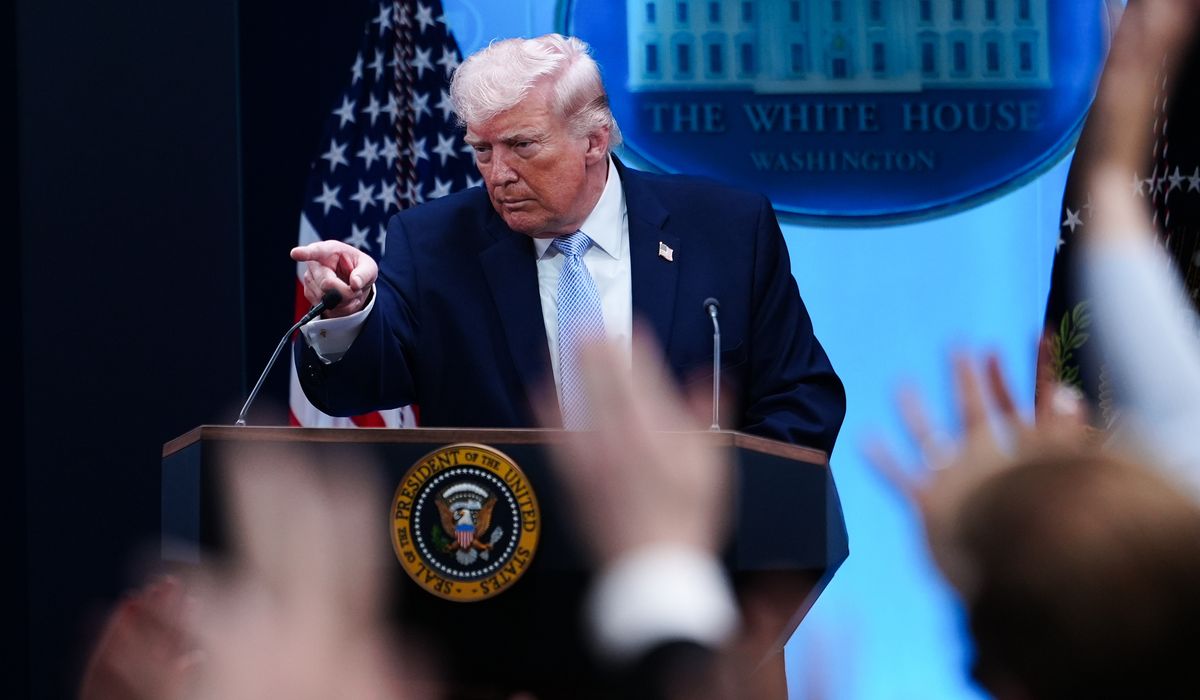
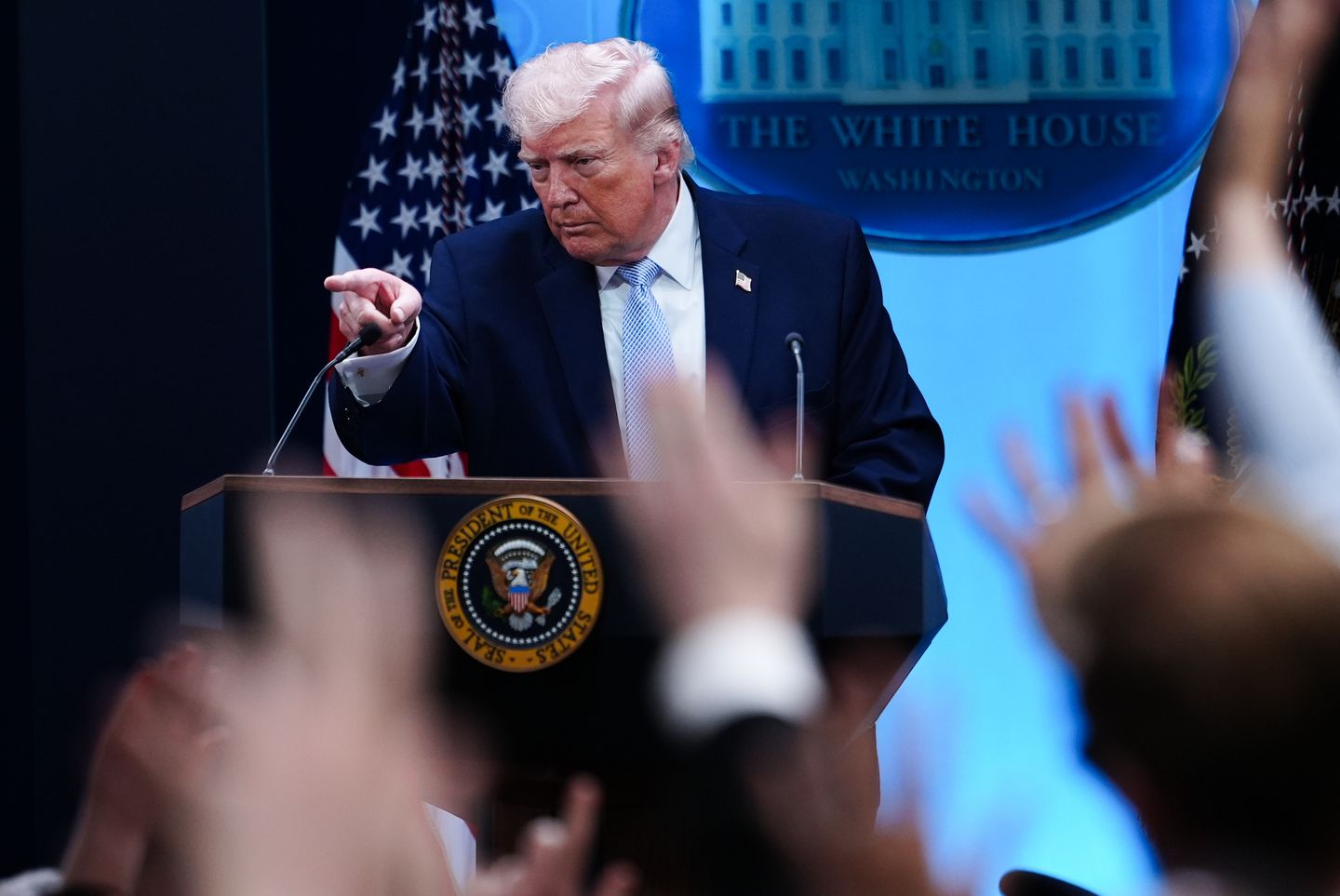
The organization, also known by its French initials, RSF, which defends media access and journalists’ rights, is pointing the finger at President Trump’s return to the presidency.
“The US has experienced a steady decline in the RSF Index over the past decade, but President Trump is pouring gasoline on the fire,” RSF North America Director Clayton Weimers said in a statement. “Trump and his administration have carried out a coordinated war on press freedom since the day he took office, and we will live with the consequences for years to come.”
RSF cites six reasons: media ownership, Mr. Trump’s litigation against news outlets, press freedom legislation, economic constraints, declining trust in the media and journalists’ safety.
Highly concentrated traditional and mainstream media ownership weakens media pluralism and exacerbates reductions in journalism jobs, which in turn causes a wave of layoffs in the U.S. media landscape, according to RSF.
The president’s pressure on news outlets to soften their stance on him, attempts to dismantle U.S. public broadcasters, including NPR and PBS for “anti-Trump” coverage, halting aid funding for media freedom internationally and suing disfavored outlets all contribute to the country’s decline in press freedom.
Drastic cuts to the U.S. Agency for Global Media workforce led to the closure, suspension and downsizing of international broadcasters such as Voice of America, Radio Free Europe/Radio Liberty and Radio Free Asia.
The U.S. 2025 Press Freedom Index’s score was 57 out of 180 countries.
While this decline is measurable and ongoing, Mr. Weimers described it as “preventable.”
“Our message is clear: Protect legal rights, ensure accountability for attacks on media professionals, and support independent media to restore American press freedom,” he said on social media.
But the U.S. is not the only country that RSF determined to have unfavorable media conditions. It’s one of over half of the countries in the world experiencing a “press freedom crisis” — an anomaly seen for the first time in 25 years, RSF said.
For the first time, roughly 52% the world’s countries now fall into the “difficult” or “very serious” categories in the World Press Freedom Index.
RSF Editorial Director Anne Bocande stressed the need for “firm guarantees and meaningful sanctions” for press freedom.
“It’s no longer enough just to state principles — effective measures to protect journalists are essential and must be seen as a catalyst for change. This starts with ending the criminalisation of journalism: the misuse of national security laws, SLAPPs, and the systematic obstruction of those who investigate, expose and name names. Current protection mechanisms are not strong enough; international law is being undermined and impunity is rife,” she said in a statement. “The ball is in the court of democracies and their citizens. It is up to them to stand in the way of those who seek to silence the press.”