Anyone who’s lived through a Midwest winter knows daylight can’t be trusted: days shorten, batteries quickly fade, and the cold wins when you don’t properly prepare.
Then, of course, there is that split-second of cold-created pain as you sit on the toilet seat.
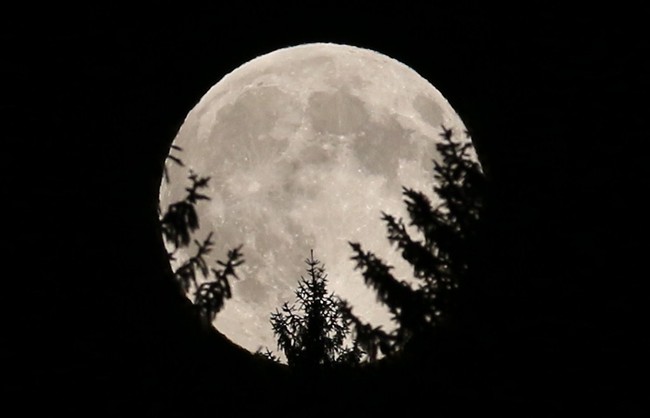
The smart Midwesterners plan for winter long before it settles in. NASA has decided to do the same on the Moon.
The U.S. space agency and the Department of Energy committed to building a nuclear fission reactor on the moon by 2030, a move that signals a shift away from brief visits (behind a paywall, sorry) and towards something a bit more permanent.
Survival in space depends on power, which also determines progress. Without a steady supply of energy, long-term presence remains more a dream than a reality.
The Moon’s Power Problem
Of course, I haven’t been there, but I’ve read that there’s not a steady supply of sunlight on the Moon. Solar panels don’t work during lunar light; batteries aren’t charged, especially when temperatures plunge well below -200 °F. When energy disappears, things stop working.
What changes that equation is a compact nuclear reactor. NASA says the system can operate for years without refueling, a capability that supports habitats, life support systems, communications, and research equipment.
Constant power will allow astronauts to continuously work instead of waiting for the sun’s return.
Driving this plan is energy reliability, not ambition.
Strategic Direction From the Top
Momentum behind this plan increased after President Donald Trump issued an order directing NASA to pursue nuclear power as part of American space superiority. The directive treated lunar infrastructure as a national interest instead of a side project.
On December 18, President Donald J. Trump signed an Executive Order that sets a bold vision for an America First space policy, ensuring the United States leads the world in space exploration, security, and commerce.
The Order recognizes that “growing a vibrant commercial space economy through the power of American free enterprise will build prosperity and open new economic opportunities, such as high-paying aerospace manufacturing jobs here in America.” This Order builds upon the provisions of an Executive Order President Trump signed in August 2025, “Enabling Competition in the U.S. Commercial Space Industry.”
The Order directs the Assistant to the President for Science and Technology to coordinate National Space Policy efforts, and Federal departments and agencies to work together on the Order’s implementation, including streamlining procurement, implementing relevant space security strategies, and ensuring an appropriate workforce to accomplish these goals.
Like most of Trump’s declarations, that approach carries weight; space competition doesn’t take a break for symbolism. Creating infrastructure defines leadership; control over power sources shapes timelines, safety margins, and the potential for expansion.
Once clarity arrived, NASA moved quickly.
Leadership and Responsibility
NASA Administrator Jared Isaacman framed the reactor as essential to building infrastructure that supports long-term stays on the Moon and prepares for missions to Mars.
The Artemis program is critical for that effort; it aims to place astronauts on the lunar surface for extended missions, while testing systems needed for deeper exploration.
The DOE contributes reactor design and nuclear expertise, while NASA handles deployment, integration, and crew safety.
Each agency focuses on its strengths; clearly defined roles reduce risk and save lives.
Engineering Where Mistakes Matter
An Earth-bound reactor benefits from atmosphere, gravity, and routine maintenance access. None of these conditions exists on the Moon. Engineers must design a system that will survive launch, landing, space radiation, and violent temperature swings.
It’s critical to manufacture protective shielding. Cooling systems need to function in a vacuum, components must work the right way the first time, and repairs need to remain limited, but they will be costly.
Working with the DOE shortens development timelines by leveraging its decades of nuclear experience.
Practical Power, Not Spectacle
In sci-fi movies, we treat nuclear power in space as dramatic or dangerous, but people who know what they’re doing view it as practical. Nuclear systems already power spacecraft that work well beyond unreliable sunlight.
Once fabricated on the Moon, nuclear energy offers stability, enabling extended research and supporting permanence, opening the path beyond Earth’s orbit.
In space, endurance matters far more than spectacle.
Final Thoughts
If you’ve had to prepare for a long winter, you’ll know how crucial steady heat is for survival. Proper planning happens before the cold arrives, and simply hoping doesn’t replace infrastructure.
NASA chose to think ahead; installing a nuclear reactor on the moon keeps systems running when the sunlight goes dark. It’s a choice that marks a difference between visiting and staying. Exploration will become serious once the lunar power stays on.
Important decisions often arrive quietly, yet shape decades ahead. PJ Media VIP supports grounded analysis of choices that matter long after attention fades. Join today and back work that values preparation over posturing.