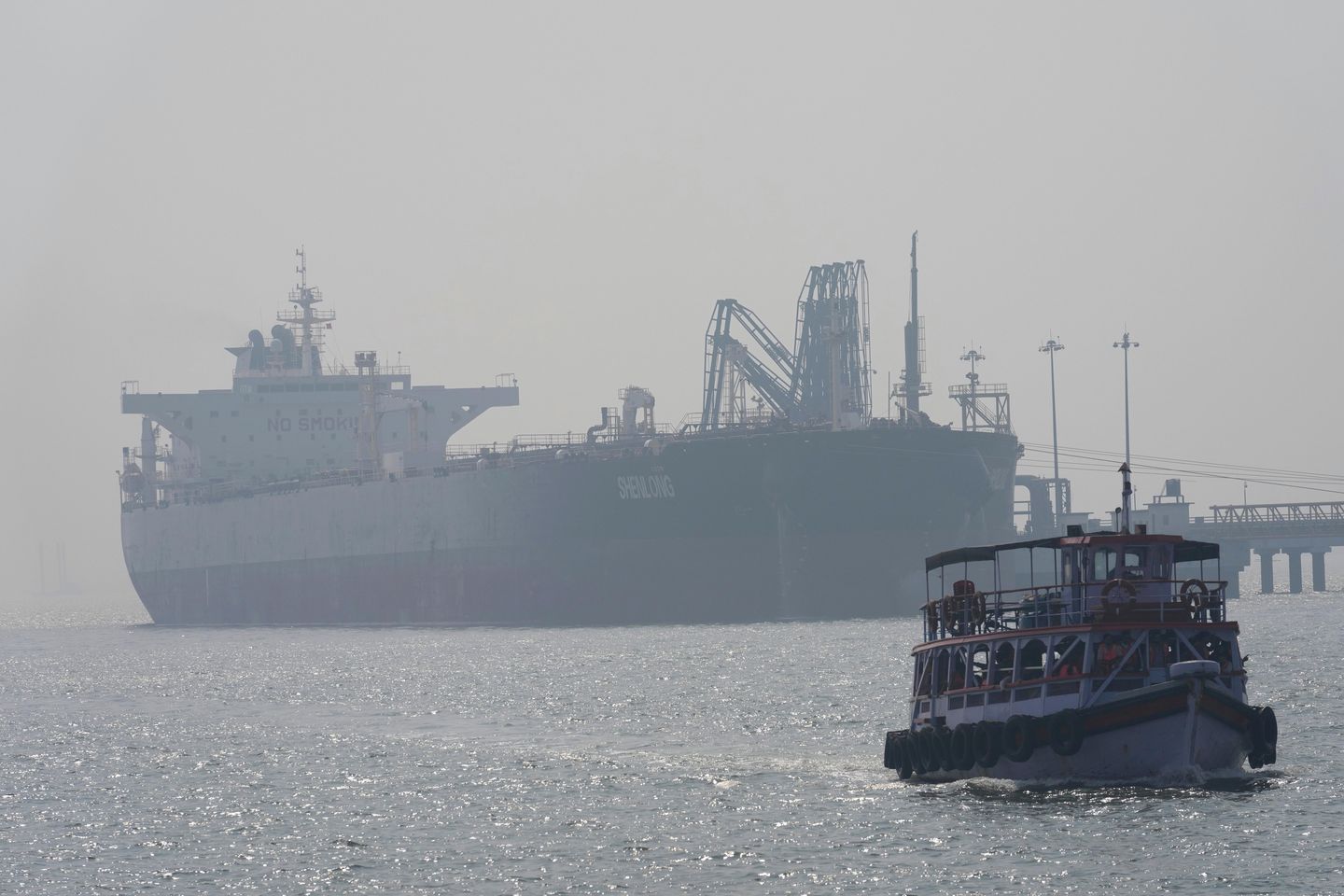
Iranian officials remained adamant Sunday that the Strait of Hormuz would remain closed, despite threats from President Trump that U.S. forces could take out Iran’s power plants if the strategic waterway is not opened by Monday.
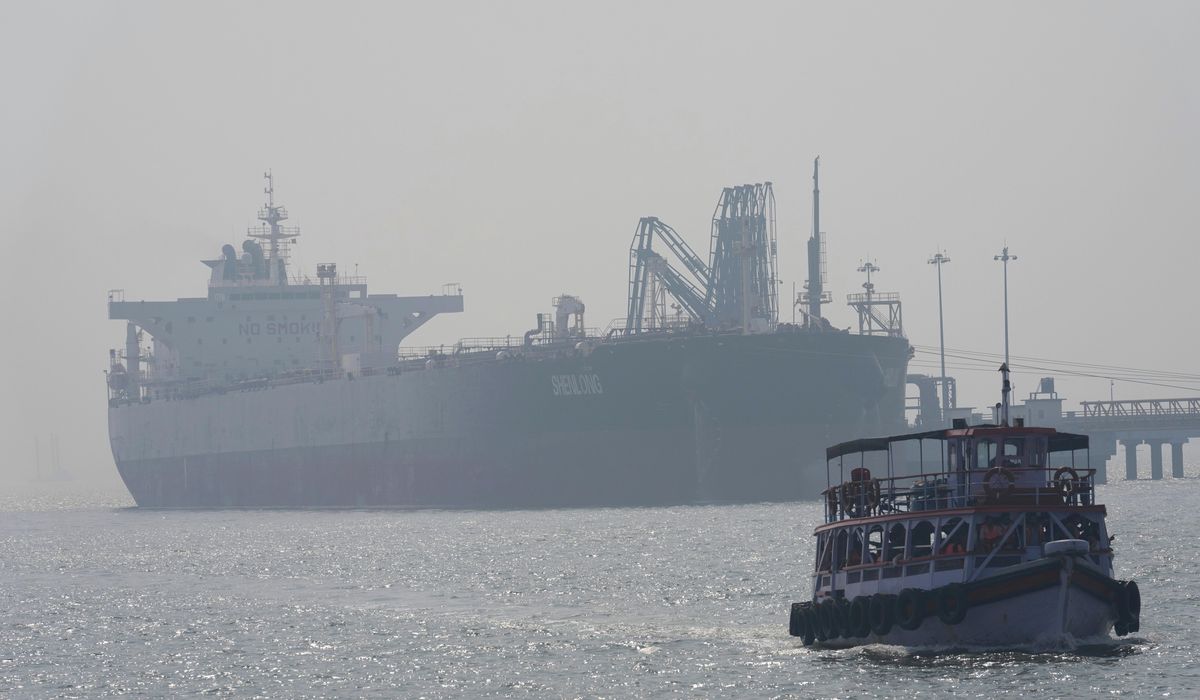
Abbas Araghchi, Iran’s foreign minister, said the strait remains effectively closed to most ships because companies that insure commercial shipping vessels are unwilling to take the extreme risk.
“Strait of Hormuz is not closed. Ships hesitate because insurers fear the war of choice you initiated — not Iran. No insurer — and no Iranian — will be swayed by more threats. Try respect,” Mr. Araghchi wrote Sunday on X.
“Freedom of Navigation cannot exist without Freedom of Trade. Respect both — or expect neither,” he wrote.
Iranian military spokesperson Ebrahim Zolfanghari struck a similar tone earlier Sunday. He insisted that his nation would retaliate against U.S., Israeli and Persian Gulf states’ “fuel, energy, information technology and desalination infrastructure” if Mr. Trump carries out his threats.
Iran also insisted that the Strait of Hormuz would remain closed until all potential damage to Iran’s power plants is repaired.
U.S. strikes on Iranian power centers would mark a significant escalation in the war, now entering its fourth week.
The Israeli air force conducted strikes last week against Iran’s South Pars field, which supplies the vast majority of Iran’s domestic liquefied natural gas.
Washington was reportedly frustrated by the attacks and has denied involvement, despite Israeli insistence that the White House knew of the attacks ahead of time.
Israeli Prime Minister Benjamin Netanyahu confirmed that Israel’s military would halt attacks on Iranian energy infrastructure after the South Pars strikes.
The State Department issued another warning to Americans living abroad, urging them to “exercise increased caution” as the Iran war continues.
The warning may suggest that U.S. officials are prepared for a prolonged conflict and for Iran to strike well outside its borders.
The strait has been effectively closed since early March, after Iranian leaders declared that they would strangle shipping coming in and out of the waterway in response to U.S.-Israeli strikes.
However, Mr. Araghchi and other officials have maintained that ships not aligned with the U.S. or Israel would be allowed to travel safely in the strait.
Some Chinese, Indian and Pakistani-flagged ships have reportedly passed through the waterway in recent days.
The closure of the Strait of Hormuz has wreaked havoc on international markets and put extreme pressure on Gulf states, which rake in billions of dollars annually through their oil exports. Crude oil prices rose steadily over the weekend and reached more than $98 per barrel by Sunday afternoon.
The energy chaos led to Mr. Trump’s demand Saturday that Iran reopen the strait or face attacks on its domestic energy infrastructure.
“If Iran doesn’t fully open, without threat, the Strait of Hormuz, within 48 hours, from this exact point in time, the United States of America will hit and obliterate their various power plants, starting with the biggest one first!” he wrote Saturday on Truth Social, slipping into and out of his signature all-capitals style.
Last week, Mr. Trump said the U.S. would soon begin winding down its operations in Iran.
Yet reports say the Pentagon is facilitating the transfer of thousands of Marines to the region and seeking $200 billion in additional funding.
U.S. officials sought to downplay the apparent contradiction Sunday. Treasury Secretary Scott Bessent said the Pentagon may need to escalate its offensive operations against Iran to wind down the war.
“They’re not mutually exclusive. Sometimes you have to escalate to de-escalate,” Mr. Bessent said on NBC’s “Meet the Press.”
Mike Waltz, the U.S. ambassador to the United Nations, said attacking Iran’s power stations could be strategically necessary to deal a devastating blow to the Islamic republic’s internal security structure.
“When you have a regime that has its grip on so much critical infrastructure to further not only the oppression of its own people but to attack its neighbors and, in contravention of U.N. sanctions, to march toward a nuclear weapon, then that makes those legitimate targets,” Mr. Waltz said Sunday on CBS’s “Face the Nation.”