President Trump says he will increase tariffs on South Korean products from 15% to 25% because he is tired of waiting for the Asian country’s legislature to approve its bilateral trade deal with the U.S.
Mr. Trump did not say when the higher levy would take effect. In a social media post, the president said he had expected Seoul lawmakers to act by now on the deal he negotiated with top Korean officials last summer.
Mr. Trump said he “reaffirmed those terms” during a visit in October 2025.
“Why hasn’t the Korean Legislature approved it?” Mr. Trump wrote late Monday on Truth Social. “Because the Korean Legislature hasn’t enacted our Historic Trade Agreement, which is their prerogative, I am hereby increasing South Korean TARIFFS on Autos, Lumber, Pharma, and all other Reciprocal TARIFFS, from 15% to 25%.”
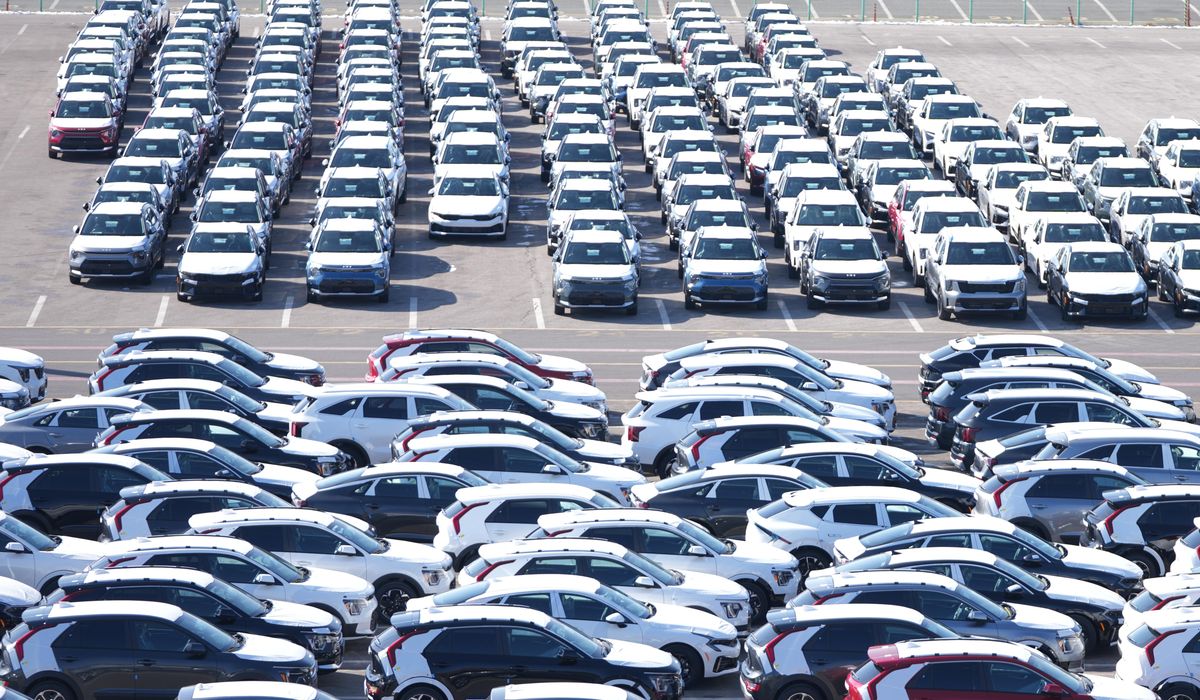
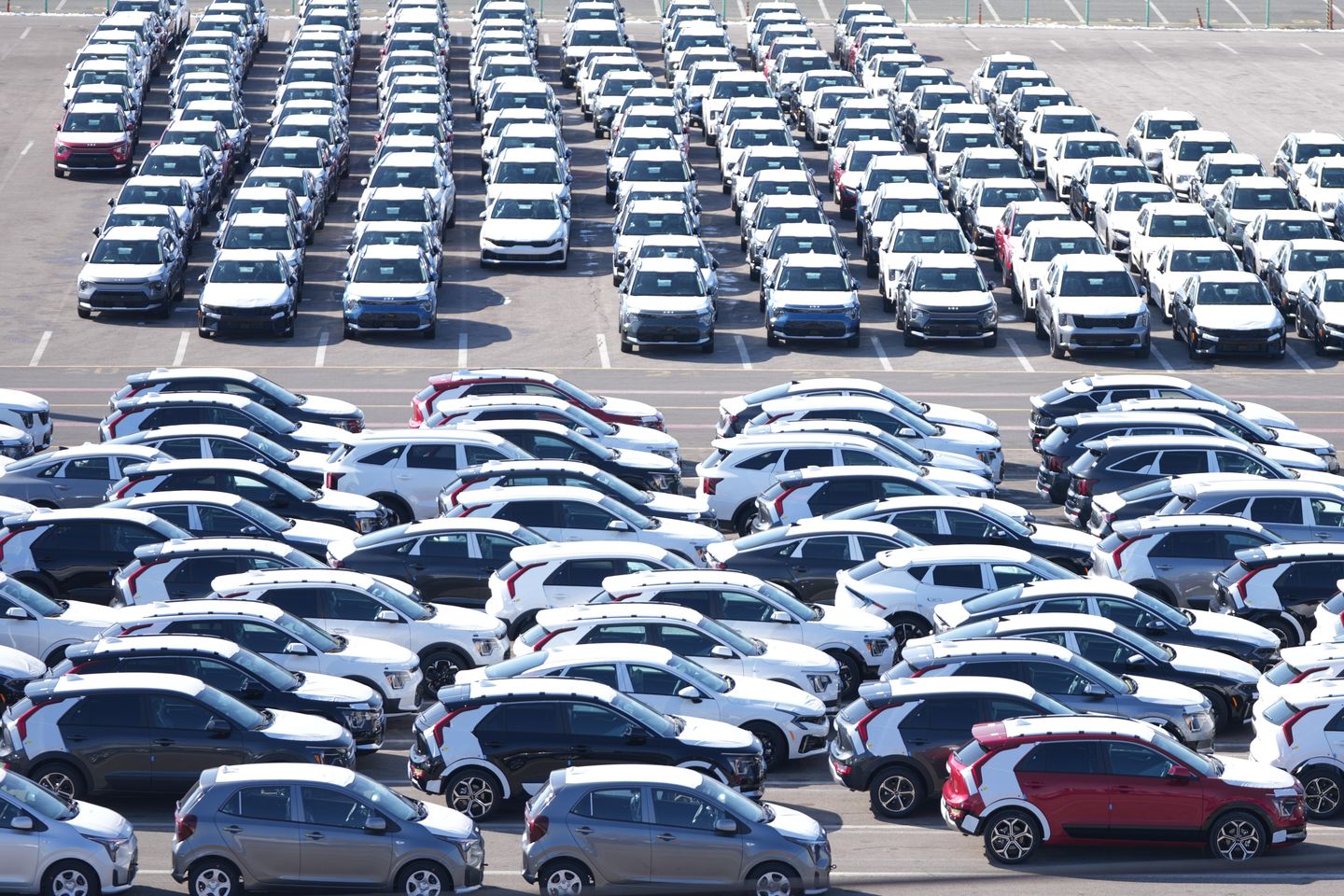
An increase in automobile tariffs would be damaging to South Korea’s major car sector, which includes brands such as Hyundai, Kia and Genesis.
The ruling Democratic Party in South Korea filed a bill to the National Assembly in November to implement the trade agreement, but it has not passed, according to the Yonhap News Agency.
The Trump administration pointed to the South Korean deal as a key achievement during a flurry of trade activity in its first year.
Under the deal, Mr. Trump agreed to lower his tariff rate on South Korean goods from 25% to 15%. In exchange, South Korea promised to invest $350 billion in U.S. projects.
South Korean officials had to work through currency issues to make the investment commitment. It landed on a framework that made the investments with an annual cap of $20 billion.
Now, Mr. Trump says he wants to see the deal set in stone.
“Our Trade Deals are very important to America. In each of these Deals, we have acted swiftly to reduce our TARIFFS in line with the Transaction agreed to. We, of course, expect our Trading Partners to do the same,” Mr. Trump said.
The threat to increase tariffs on the Asian ally signals Mr. Trump is committed to his aggressive trade plans even as the Supreme Court threatens to blow a hole in his tariff agenda.
Blue states and small businesses sued Mr. Trump, saying he overstepped by using a 1977 law — the International Emergency Economic Powers Act — to impose blanket tariffs on other nations.
Key justices were skeptical of the administration’s position during oral argument last fall. They said Congress typically granted the power to generate revenue.
A ruling against the Trump team could result in billions of dollars in tariff refunds and could upend bilateral trade deals with South Korea, Japan, the U.K. and other countries that rely on the IEEPA tariffs.
Mr. Trump has said a ruling would be devastating to the U.S. and upend massive investments in American manufacturing.
However, his top officials said they could backfill the IEEPA tariffs with alternative authorities.