
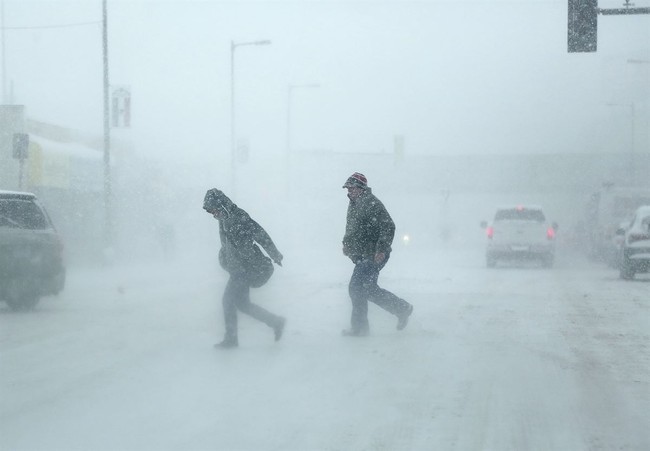
A massive winter storm is pushing toward the region, with forecasts of nearly 24 inches of snow and wind gusts approaching 50 mph.
Weather services have warned that travel may become nearly impossible once the system settles in. Modern life reacts quickly when forecasts like these appear: grocery stores fill up with people as shelves empty, and long checkout lines form as families rush to stock up for outages or days of isolation.
Storm warnings have always carried weight in northern states, where blizzards regularly disrupt power lines and bury roads, isolating entire towns for days.
Emergency officials across the country advise people to prepare for winter storms by stocking food, water, batteries, blankets, and heating supplies before the weather turns nasty, recommendations that echo habits practiced for generations, long before modern forecasting systems existed.
Earlier generations rarely panicked when heavy snow approached. Great-grandparents knew that winter storms were part of the rhythm of life, and that preparation began long before the first flakes fell. Families who built what many called a winter larder, where shelves in basements or root cellars held jars of applesauce, pickled vegetables, and berry preserves sealed during the summer months.
Sacks of flour, dried beans, cornmeal, and rice waited in tins or wooden bins. A heavy cast-iron pot hung nearby, ready to turn simple ingredients into meals that warmed a cold house.
Those kitchens offered something modern that emergency kits rarely provide: Abundance. A pantry filled over time created quiet reassurance when storms closed roads or power flickered on and off. Food didn’t depend on last-minute store trips; it came from steady preparation across seasons.
Storm preparation also carried a slower rhythm; elders rarely attempted to outmaneuver winter: they planned to outlast it, when doors and windows were carefully inspected before the first wind arrived.
Drafts disappeared under rolled towels or long cloth-filled sand, and wood stoves received extra logs, while coal bins stayed filled, as oil lamps stood ready beside matches and wicks.
Small tasks helped shape a sense of control. Bathtubs filled with water before freezing temperatures arrived. Vehicles received attention early in the day: Tires, fuel, and engine fluids were checked while roads remained clear. Once conditions worsened, travel stopped, and families settled inside rather than risk the open highway.
The ritual of warmth defined the heart of winter preparation. Heavy wool blankets stacked high at the foot of beds. Handmade quilts carried years of careful stitching, while curtains hung thick across windows to trap heat. Hot water bottles slid under the covers before bedtime, where layers of wool socks and sweaters replaced modern thermostat adjustments.
Evenings often brought families together in a single warm room, radios carried weather updates and distant news, and candles and oil lamps filled the space with soft light when power lines failed. Hands stayed busy. Great-grandmothers knitted scarves or mittens beside the stove while the wind rattled windows outside.
Community played its role as well: Neighbors checked on neighbors once the snowfall stopped. Firewood passed between households when supplies ran low. Advice traveled through conversations rather than screens.
Families learned practical lessons about dripping faucets, clearing chimneys, and protecting livestock from the bitter cold.
Storms such as Ida, approaching in a manner as subtle as a belch, now remind modern households that earlier generations managed harsh winters with far fewer conveniences. They build preparation into everyday life rather than reacting only when warnings appear, while the habits remain surprisingly practical today.
Stocking a pantry, sealing drafts, and gathering blankets may sound simple, yet those quiet acts create stability when power flickers or snow blocks the road. The wisdom carried forward from earlier generations offers something modern forecasts can’t deliver.
Confidence.
When the wind rises and snow begins to pile up against the windows, many families will rediscover the lesson they learned decades ago. Preparation built over time brings calm long before the storm arrives.
PJ Media VIP members support independent journalism and gain access to deeper analysis and commentary. Save 60% right now on a membership by using promo code FIGHT.