The world no longer drifts along old assumptions; power moves fast, and pressure builds in places that once stayed quiet.
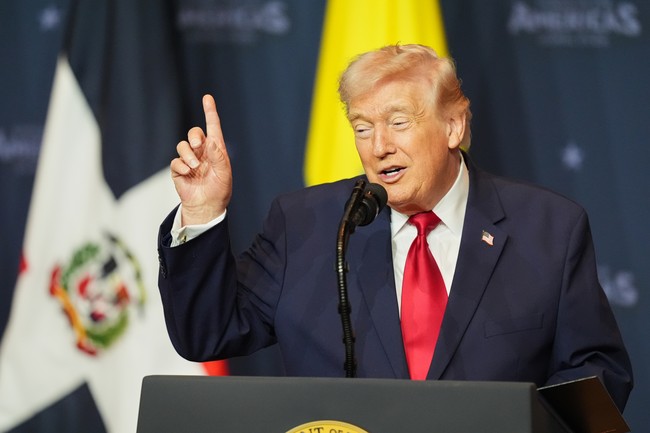
President Donald Trump has pushed a harder line across the Western Hemisphere, where a modern take on long-standing American doctrine now shapes decisions close to home. U.S. forces have moved to secure the Panama Canal, while operations in Venezuela led to the arrest of Nicolás Maduro, who was held on charges tied to corruption and drug trafficking.
Cuba’s system, led by President Miguel Díaz-Canel, struggles through a collapse of its electrical grid, and any support from the U.S. now depends on structural reform. Denmark’s Prime Minister Mette Frederiksen has rejected renewed U.S. interest in Greenland, even as Washington presses for access to its minerals and Arctic position.
Relations with Canada have grown tense, as Prime Minister Mark Carney has pushed back against tariffs tied to lumber, oil, and resource access. Arctic waters have become a new point of friction as natural melting ice cycles open shipping routes that carry global importance. China’s Xi Jinping continues expanding military positions in the South China Sea, while U.S. naval patrols challenge those claims. Nearly 80% of global trade travels by sea, making those waters central to global stability.
South Asia remains locked in conflict. India’s Prime Minister Narendra Modi has responded to deadly attacks in the Kashmir region with troop deployments. Pakistan’s Prime Minister Shehbaz Sharif has mobilized forces in response. Both nations hold nuclear weapons, which raises the stakes with every exchange.
Secretary of State Marco Rubio has stepped into talks aimed at limiting escalation, while U.S. policy leans toward strengthening India as a counterweight to China. Water access from Himalayan rivers continues to fuel tension in a region where demand keeps rising.
Europe remains tied to a long war. Russia’s President Vladimir Putin continues offensive operations in Ukraine, while Ukrainian President Volodymyr Zelensky holds key territory with Western support. Washington has pushed NATO allies to carry more of the burden, forcing increased defense spending across Europe. Fighting stretches beyond the battlefield into energy and agriculture. Disruptions in grain exports have pushed costs higher across global markets. Conflict continues across Yemen and Syria, where regional powers compete over oil routes and key corridors tied to energy flow.
The Middle East has entered a sharper phase. Iran faces internal strain after strikes against its leadership and nuclear ambitions were annihilated. Israel’s Prime Minister Benjamin Netanyahu has framed those actions as necessary for long-term security. Iranian-backed groups threaten retaliation across the region. The Strait of Hormuz remains a pressure point, carrying roughly 20% of global oil shipments. U.S. naval forces continue operations to keep that route open as energy markets react to instability.
Inside the United States, strain shows up in ways that feel closer to home. Avian flu outbreaks forced the culling of millions of birds, cutting deeply into poultry supply and driving up egg prices. Secretary of Agriculture Brooke Rollins has pushed emergency measures to stabilize production, but recovery takes time. Meanwhile, cattle herds have shrunk from drought and rising feed costs, tightening the beef supply across the country.
Related: Smallest Herd in Seven Decades Means Big Bills at the Butcher
Global conflict feeds into those pressures. Reduced grain exports from Eastern Europe raise feed costs for livestock. Energy instability raises fertilizer costs, which then hits crop yields. Shipping disruptions tied to tensions in the Pacific affect access to equipment and agricultural inputs. Each piece connects, forming a chain that stretches from distant conflict zones to American grocery shelves.
None of these developments stands alone. Power, resources, and geography tie them together. Control of sea lanes, access to energy, and the ability to secure food supply now sit at the center of global strategy. Leaders who recognize those links act early and with purpose. Those who hesitate tend to react after the cost has already risen.
At home, resilience now carries as much weight as strength abroad. Farms, supply chains, and energy systems sit on the same strategic map as fleets and alliances. When pressure builds across all fronts at once, preparation stops being optional.
It becomes the dividing line between stability and strain.
Readers who want more in-depth analysis that connects global strategy to everyday impact can join PJ Media VIP today and use promo code FIGHT for 60% off.