Rabbi Ellen S. Wolintz-Fields, WLCJ Executive Director
 Everyone has their favorite (or least favorite) aspect of Passover. My favorite part is seeing what new Haggadaot and Seder Supplements are available. Click here to find my source sheet for my teaching about Haggadah and Seder supplements, from Makom B’Yachad on Wednesday, March 25, 2026. In addition, please go to our Women’s League website to see additional Haggadah supplements.
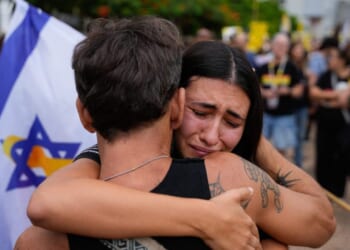
It is a reality that Passover is a very challenging holiday. Cleaning is a drag. Cooking is time consuming; and the prices of Passover items just seem to increase. Figuring out what to serve; who to invite; and when to start the Seder can all seem stressful. But we need to put it into perspective. Our brothers and sisters who are living in the State of Israel, and the surrounding areas in the Middle East, face missile attacks, and need to also plan where to go in case of sirens. Shelters will also need to be cleaned and prepared, and there may very well be restrictions on people gathering. Travelling to family and friends in Israel, and abroad, will be curtailed this year, and many Seder plans and Chol HaMoed Tiyulim, trips, may need to be postponed. Many of us have family and friends in Israel, and hear about this firsthand, and some only on the news. But I think that as we prepare for the Passover holiday, we should remember our brothers and sisters whose Passover preparations are very tumultuous this year, because they are living in a warzone, with frequent sirens. It should give us time to pause, and be grateful that we have many other inconveniences to deal with this Passover.
What might those inconveniences be? Perhaps another word could be challenges. And honestly, we all walk in our own individual shoes, and do not know what others are going through. We do not know what each of us is bringing to the Seder table this year. Therefore, I suggest we be mindful of how we view those around us. The Hebrew word for Egypt is Mitzrayim, from the root tzar, meaning strait or narrow. B’nai Yisrael, the Children of Israel, not only left the land of Egypt, they left a narrow place. During the Seder, some believe it is incumbent on each person gathered to recite the following verse from Mishnah Pesachim: B’chol dor vador chayav adam lir’ot et atzmo k’ilu hu hatza mimitzrayim. “In all generations it is the duty of each person to consider oneself as if one has come forth from Egypt.”
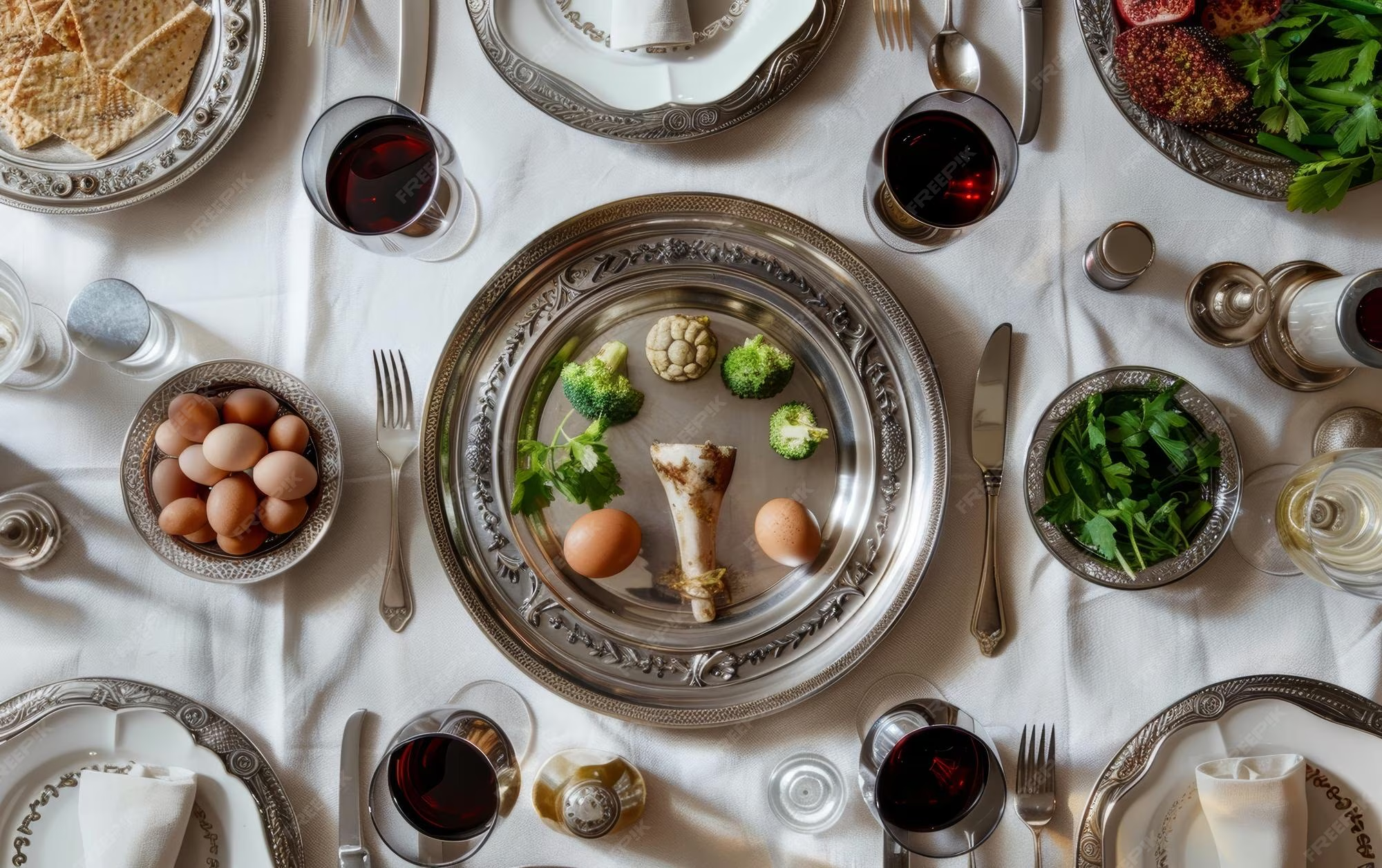 We do not know what ‘Egypts’ and ‘slaveries’ others are enduring or have endured; but this holiday of Freedom should give us pause to think about what straits we each personally have passed through this year, or are currently passing through. In addition, let us remember that others are passing through straits that we have no idea about. We need to be respectful and mindful, and realize we each have struggles. Not all of us are running to shelters after receiving siren alerts, but we may have a friend or relative, who has received devastating news, or other sirens in our lives making us anxious and fearful. We may run to other types of shelters to avoid, or protect ourselves from what sirens we fear.
As we prepare for Passover and our Sedarim, I hope we will each give ourselves time to pause and think about our past year since Passover, and reflect on the narrow places we have passed through and still need to pass over. The Exodus from Egypt may have begun with Moses and Miriam, but it continues today. Who will be our Nachshon ben Aminadav to help us be brave enough to step into our own Sea of Reeds and help us split the Sea?
May we all have an enjoyable Passover, with meaningful and personal Seders. May we acknowledge that many in our community are passing over straits that we know nothing about. Therefore, let us be respectful, mindful and grateful for everyone in our lives.
Chag Kasher V’ Sameach ! A Zissen Pesach to all !
Shabbat Shalom,
Rabbi Ellen S. Wolintz-Fields
WLCJ Executive Director