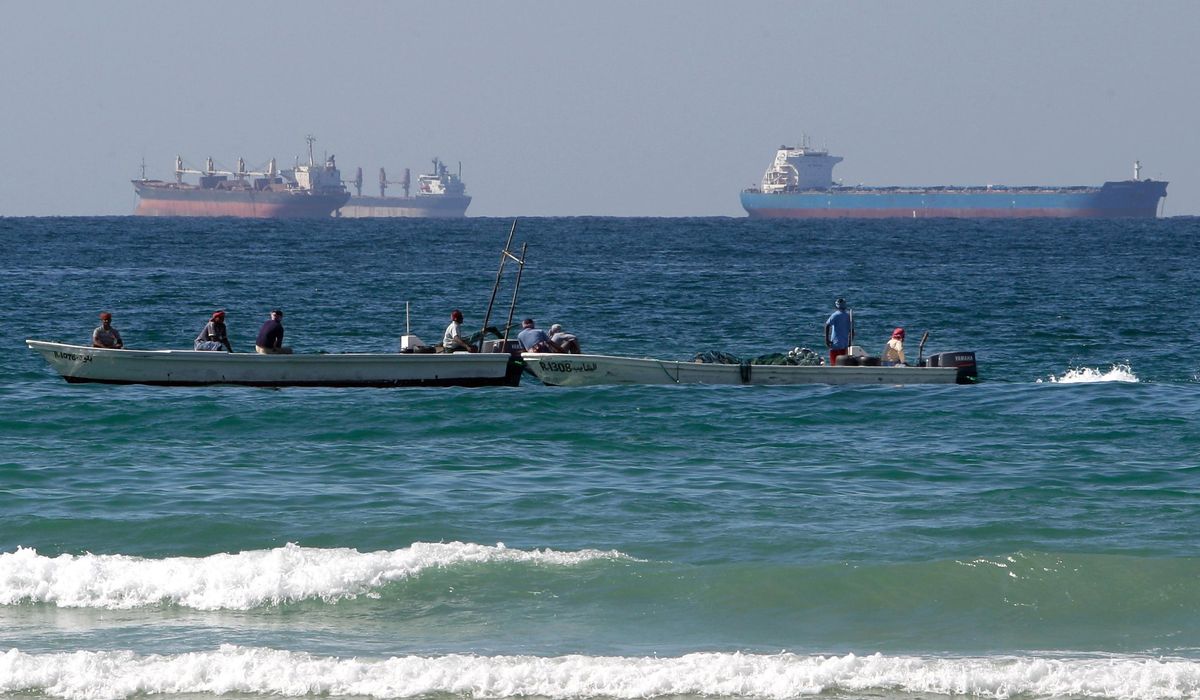
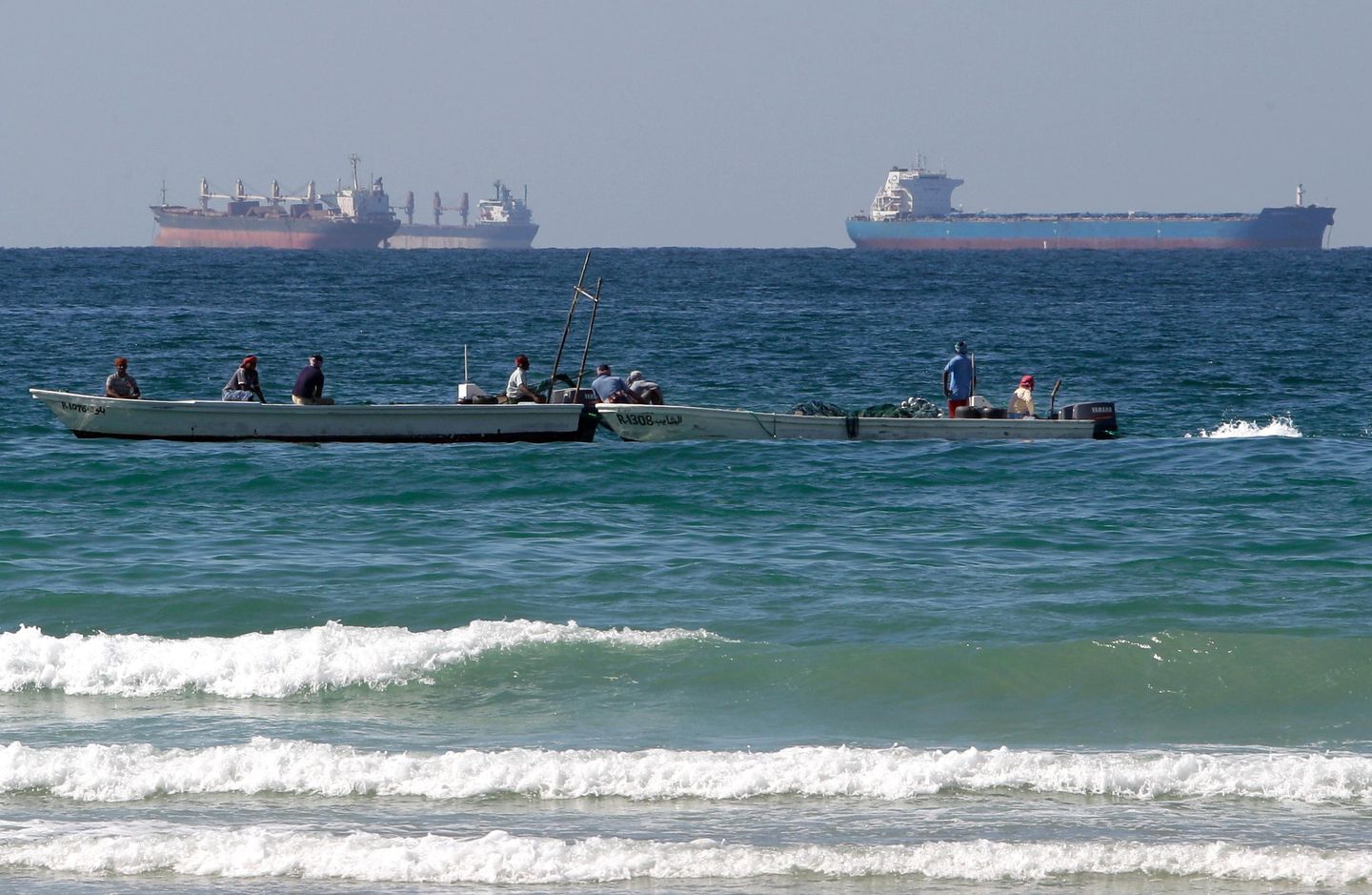
Energy Secretary Chris Wright said Sunday that an oil tanker has passed through the Strait of Hormuz, calling it an early sign that the crucial shipping route is starting to reopen.
The strait had been essentially shut down after the joint U.S.-Israel strike on Iran, which killed Supreme Leader Ayatollah Ali Khamenei and other Iranian officials.
“The plan is to get oil and natural gas and fertilizer and all the products from the Gulf flowing through the straits before too long, and I may break a little news here, but one large tanker has already gone through the straits with no issues at all,” Mr. Wright said on “Fox News Sunday.”
The closure of the strait, combined with Iran’s retaliatory attacks on oil facilities in neighboring Gulf states, has pushed gas prices higher. Mr. Wright suggested that the tanker’s successful transit is a hopeful sign that the region’s energy flow may soon stabilize.
Roughly 20% of the world’s oil supply moves through the Strait of Hormuz, the world’s most critical oil chokepoint.
Meanwhile, average gas prices in the United States have jumped to $3.450 from $2.984 a week ago, according to AAA.
That has intensified the political debate in Washington, where Democrats are warning that the conflict is already making life more expensive for Americans.
“This, in the end, just doesn’t seem to achieve anything, other than waste a billion dollars a day and drive up prices for Americans here at home,” Sen. Chris Murphy, Connecticut Democrat, said Sunday on CNN’s “State of the Union.”
Democrats have enjoyed a string of election successes running on the issue of affordability and criticizing the Trump-led Republicans for failing to address the problem.
For months, Republicans had pointed to falling gas prices as proof that their policies are working and that they are delivering on their promise to lower costs.
Mr. Wright pushed back against reports that the White House was “scrambling” to counter the rising prices narrative, saying the administration is not panicked and that the short-lived spike in gas prices will be followed by lower prices and greater market stability.
“Energy markets are massively well supplied right now,” he said. “In fact, the run-up in prices has nothing to do with any shortage of barrels of oil or natural gas. It’s just fear and perception, the unknown, that this could be some long, drawn-out crisis, but it won’t be.”
The Trump administration has been making the case that the increased cost of energy is a small price to pay for eliminating Iran’s leadership, which the administration says has been wreaking havoc on the energy markets for decades.
Mr. Wright said the “disruption” should last “weeks, certainly not months,” and prices would return to their previous levels.
“What President Trump is doing is setting up a world for years and decades ahead of lower energy prices, more stability, commerce over conflict,” the energy secretary said.