Don’t miss the full story from our staff writers, whose reportage is the basis of this article.
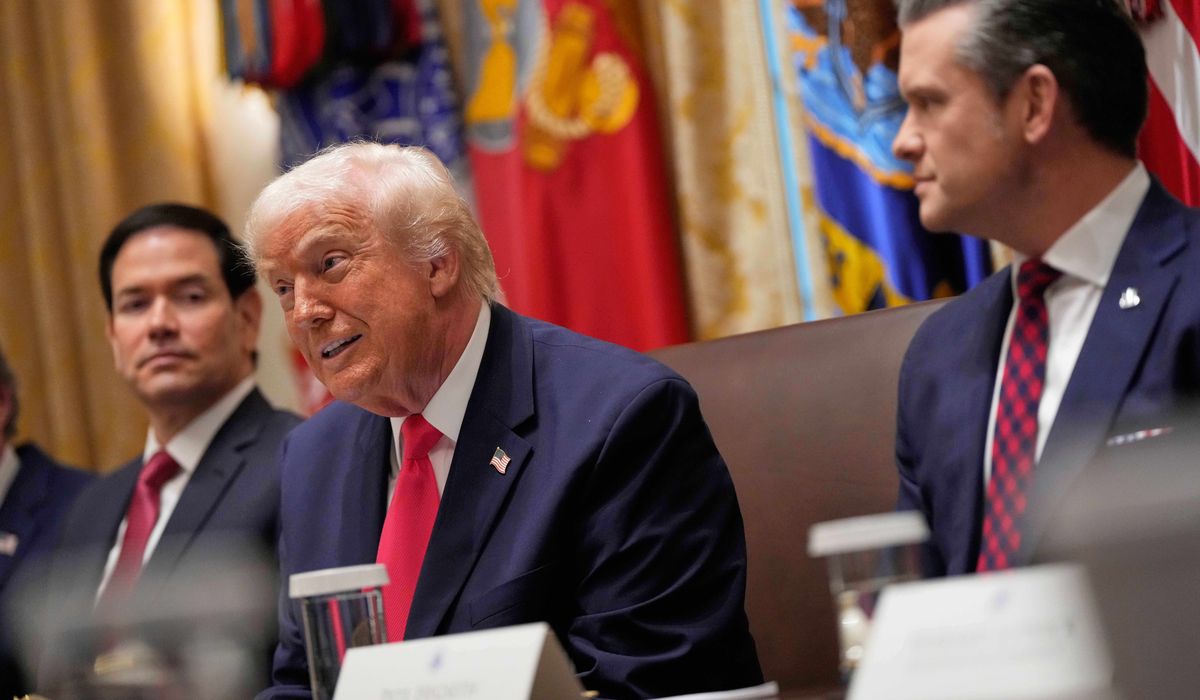
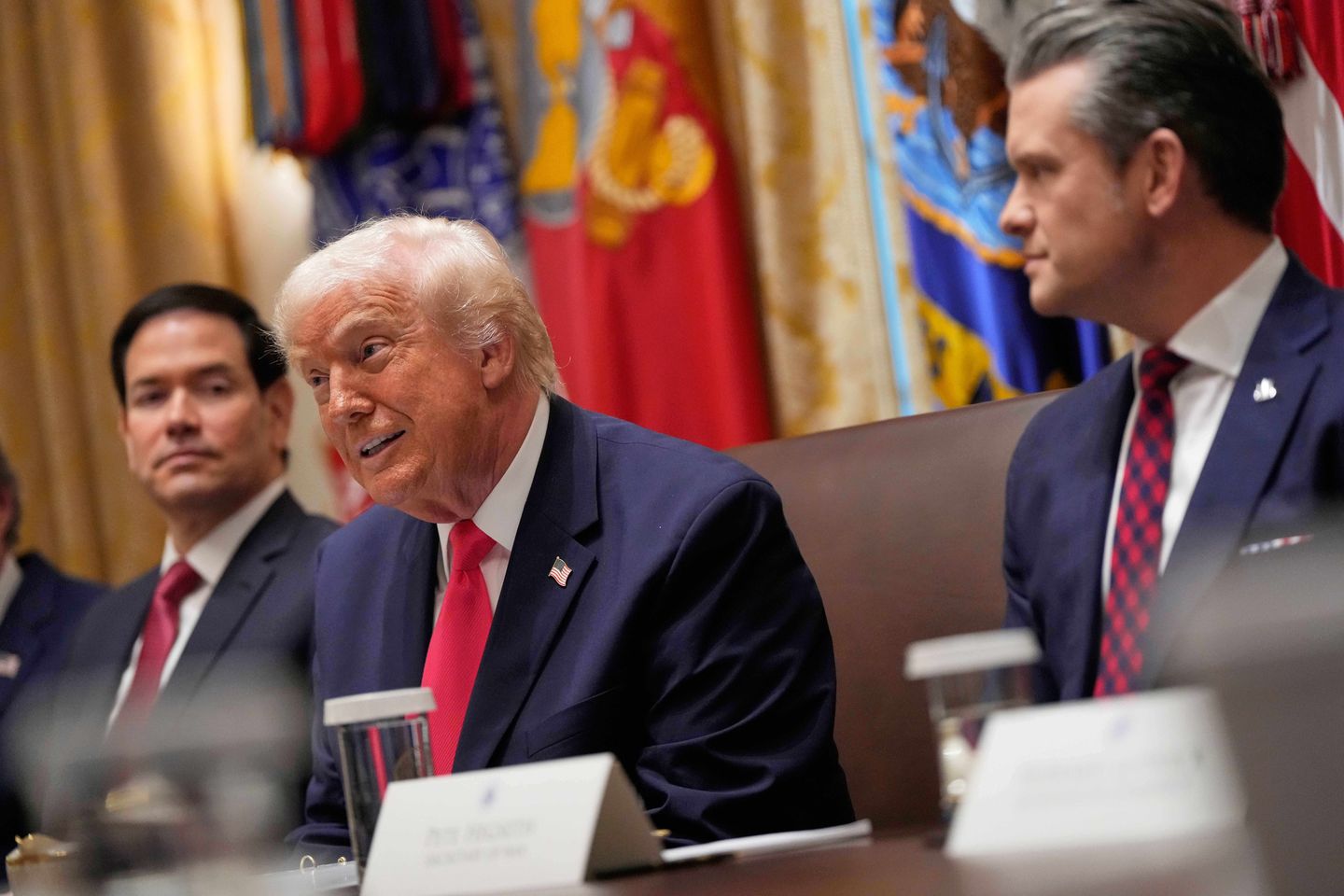
President Trump announced Tuesday that U.S. military strikes against drug traffickers will soon expand from maritime targets to land-based operations in South American countries. Speaking during a Cabinet meeting, Trump said his policy of “taking those son-of-a-bitches out” would continue despite growing legal concerns from lawmakers in both parties.
The administration’s current naval operations have destroyed 22 vessels and killed 83 people, resulting in what Trump and Defense Secretary Pete Hegseth claim is a 91% reduction in drugs entering America by sea.
However, some lawmakers have accused the administration of war crimes following a September incident where a second strike allegedly killed survivors from an initial attack on a suspected drug boat.
Trump indicated that land strikes would target cocaine manufacturing plants, stating the military knows trafficking routes and locations of cartel leaders. While operations have focused on Venezuela, Trump said any nation producing drugs bound for America could face attacks, specifically mentioning Colombia’s cocaine manufacturing facilities as potential targets.
The announcement comes amid heightened tensions with Venezuelan President Nicolas Maduro. Trump reportedly told Maduro during a weekend call to resign or face consequences, rejecting Maduro’s demands for military control and amnesty in exchange for free elections. The administration has accused Maduro of drug trafficking, which he denies.
The expanded military campaign faces mounting scrutiny on Capitol Hill. Senate Armed Services Committee Chairman Roger Wicker has vowed oversight following reports that Hegseth issued a verbal order to “kill everybody” on a boat during the September strike, which some lawmakers argue violates armed conflict rules.
Two survivors clinging to the wreckage were reportedly killed in the follow-up attack.
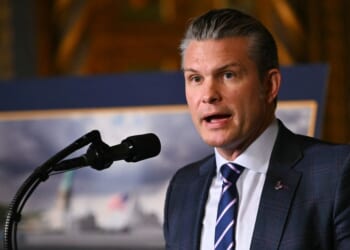
Trump distanced himself from the controversial September incident, claiming he “didn’t know anything” about it and still lacks full information. Hegseth defended his actions, saying he watched the initial strike’s video feed but couldn’t determine if survivors were in the water due to fire and smoke. He said he “didn’t stick around” for the mission’s remainder but supported the admiral’s decision to order the second strike.
Hegseth defended the overall strategy, arguing deterrence is more effective than the “rinse-and-repeat approach” of arresting and releasing traffickers. He insisted strikes would continue because Trump is “taking the gloves off,” adding that finding boats to target has become difficult due to the campaign’s deterrent effect.
Trump has intensified military presence in the region, with the USS Gerald R. Ford aircraft carrier arriving in the Caribbean last month, marking the largest U.S. military buildup there in decades.
This article is written with the assistance of generative artificial intelligence based solely on Washington Times original reporting and wire services. For more information, please read our AI policy or contact Ann Wog, Managing Editor for Digital, at awog@washingtontimes.com
The Washington Times AI Ethics Newsroom Committee can be reached at aispotlight@washingtontimes.com.