The legacy media can’t help themselves. The moment America takes strong action against the Iranian regime, these dinosaur outlets dust off their old Vietnam playbook and start pushing the same tired narrative of doubt, failure, and inevitable defeat.
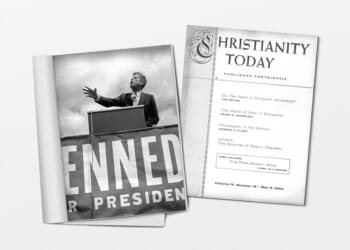
They did it in the 1960s. Walter Cronkite went on the air and declared the Vietnam War a stalemate. That single broadcast helped turn public opinion and weaken the war effort. Now, that same crowd thinks they can pull the same stunt with President Donald Trump and the conflict with Iran.
Look at how they work. CBS News released polling that frames American reaction to Operation Epic Fury in terms of fear and hesitation. Polling numbers are presented as if they capture the full picture, yet they strip away context about the Iranian regime’s actions and long-term strategy.
The framing leans toward doubt rather than understanding, an approach that mirrors past coverage patterns in which selective emphasis shaped how Americans viewed war.
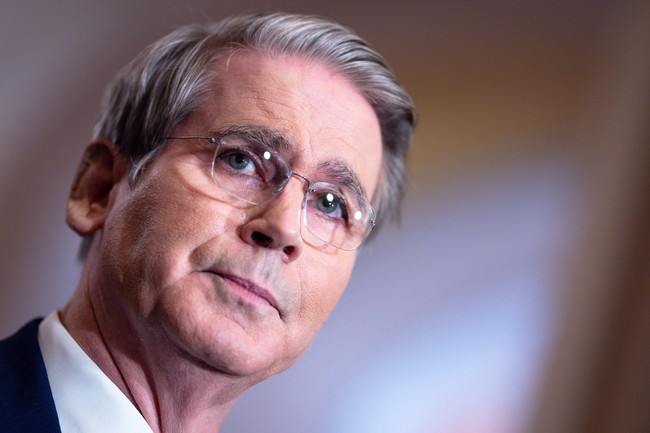
Treasury Secretary Scott Bessent directly addressed that pattern during an interview with Brian Sullivan, challenging the framing used in questions about the Iran conflict. He pointed out how wording and assumptions can steer the narrative before an answer even begins.
When Bessent has to correct that framing in real time, it shows how far the coverage has drifted from straightforward reporting.
The media’s arrogance jumps out. These outlets still believe they can shape outcomes as they once did during the Vietnam War. Back then, a handful of networks carried enormous influence over public perception, an environment that no longer exists. Americans now have direct access to information, competing analyses, and unfiltered communication from President Donald Trump. The conditions that allowed narrative control in the 1960s have long disappeared.
Yet the legacy press keeps leaning into the same approach. Coverage highlights uncertainty while minimizing the threat posed by Iran’s leadership. The context of the late Supreme Leader of Iran’s regime’s long record of regional aggression is often ignored because the legacy media’s narrative weakens when Americans consider why the U.S. attacked Iran.
When key facts receive less attention than speculation, the overall picture is distorted.
Academic analysis of war reporting has long examined how framing choices affect perception. Studies on conflict coverage show that emphasis, wording, and selective detail shape how audiences interpret events.
Instead of disinterested coverage, legacy media provide analysis and editorials masquerading as reporting. They should be much more evenhanded in their approach.
A telling example came from Margaret Brennan, who hosts CBS News’s Face the Nation. She had probing questions for Energy Secretary Chris Wright and Israeli Ambassador Yechiel Leiter on her show on March 8. But one week later, Brennan evinced less skepticism in her interview with Iranian Foreign Minister Abbas Araghchi, whom she didn’t even challenge on the tens of thousands of protesters the regime slaughtered earlier this year. That she was tougher on officials from democracies than the chief diplomat of perhaps the world’s vilest regime said it all.
Those patterns emerged during the Vietnam War and continue to surface in modern conflicts. The difference today lies in how quickly those patterns get challenged and exposed.
The American public has changed along with the media landscape. People compare sources, question narratives, and react in real time. That shift limits the ability of any single outlet to steer the national conversation. Each attempt to repeat old patterns now faces immediate scrutiny.
Legacy media continues to work as if nothing has changed in nearly 60 years, a disconnect that keeps growing. Each time it shows up, more people recognize it.
Once recognized, it becomes harder to ignore.
If you’re done watching legacy media try to run the same old playbook, you’re not alone. Get 60% off with promo code FIGHT and support writing that cuts through the noise.