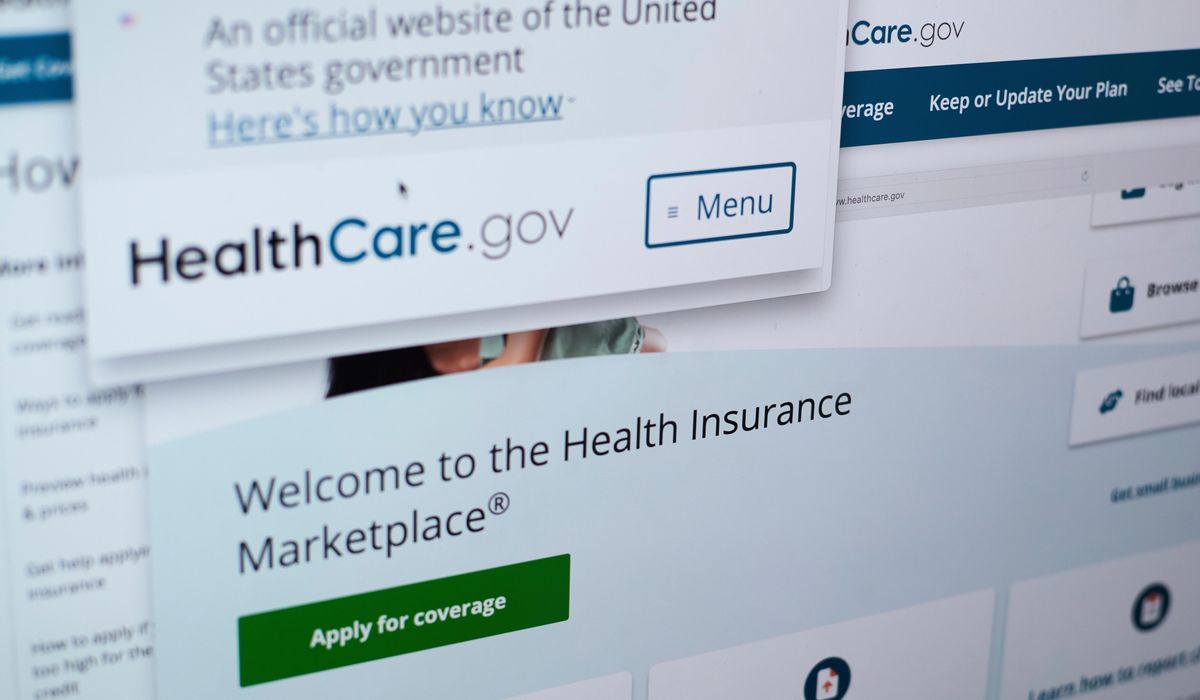
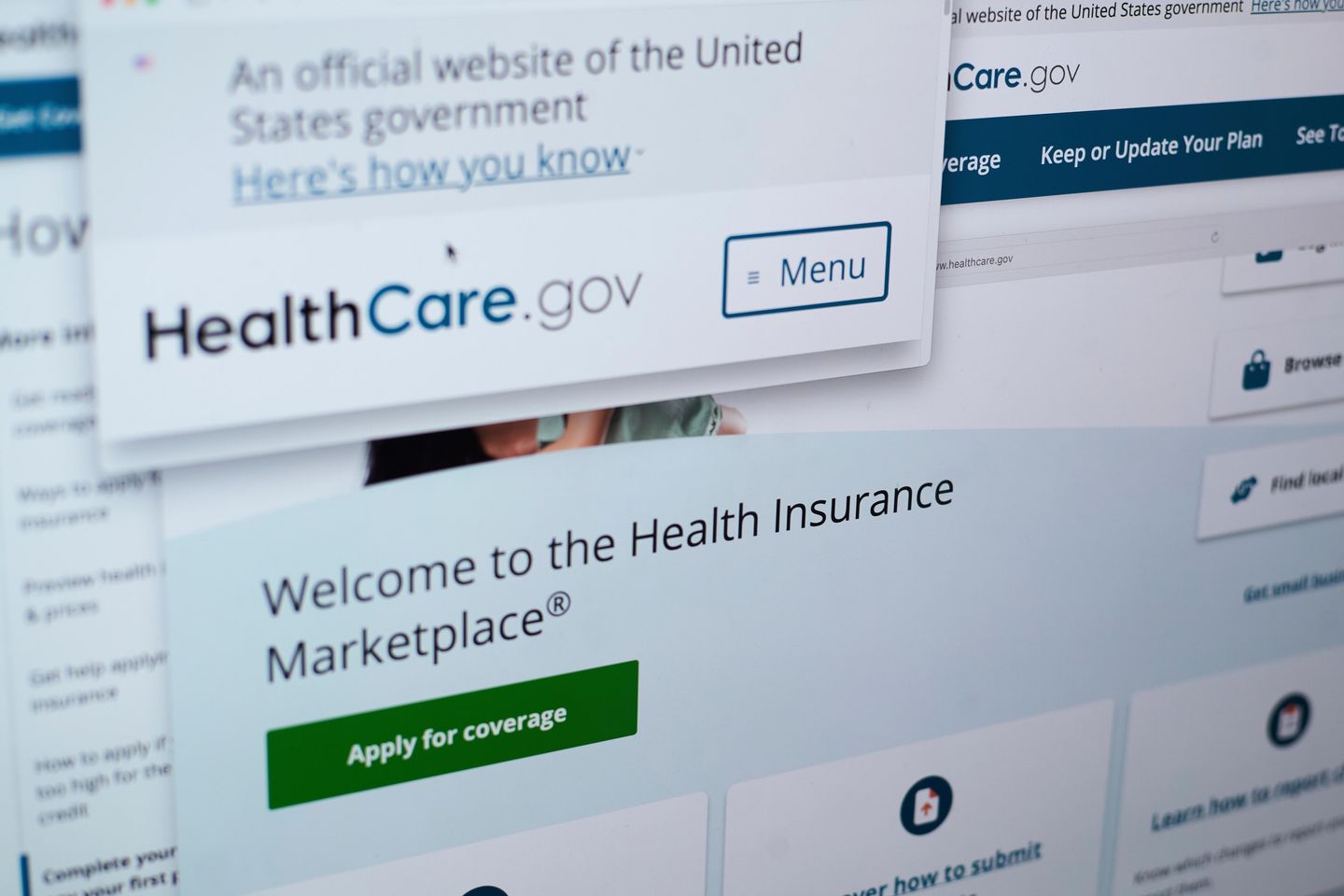
The House advanced a Democrat-led discharge petition on a bill Wednesday for a three-year renewal of enhanced Obamacare subsidies that expired last week.
A final vote is planned for Thursday.
The move reignites the heated debate over whether Congress should re-up Democrats’ COVID-era expansion of the Affordable Care Act premium tax credits, pursue a different approach that gives consumers more control over the government aid or some hybrid of the two.
Lawmakers are scrambling to do something as an estimated 22 million people will be paying more than double for their health insurance or drop coverage in 2026 without the extra subsidies, which capped out-of-pocket premium costs for Obamacare consumers at 8.5% of household income.
“Enough of the blame game on both sides. Let’s focus on actually delivering affordable healthcare for Americans,” New York Rep. Mike Lawler said.
Mr. Lawler was one of nine Republicans who joined Democrats in advancing the discharge petition in a 221-205 procedural vote.
None of those Republicans wants to extend the enhanced subsidies for three years without any changes, as the Democrats’ bill would do. But since their leadership declined to hold a vote on any of the bipartisan proposals for a shorter extension with an income cap and fraud guardrails, they wanted to do something.
The Dec. 31 expiration of the expanded subsidies increased the amount Obamacare consumers must contribute to their premiums and cut off access to the subsidies for families earning above 400% of the federal poverty level.
If the Democrats’ bill to renew the subsidies passes the House on Thursday, as expected, it will not clear the Senate.
The Senate has already tried and failed to advance a three-extension. It was nine votes short of the 60 needed to clear a filibuster.
A bipartisan group of senators is hoping they will soon clinch a deal on a compromise plan that they can amend into the House bill and pass.
“We’re in the red zone,” Ohio GOP Sen. Bernie Moreno said.
Mr. Moreno has been leading the negotiations with Sens. Susan Collins, Maine Republican, Jeanne Shaheen, New Hampshire Democrat, and others.
Sen. Peter Welch, Vermont Democrat, said the counters of a bipartisan deal “are totally within reach.”
“The real issue is will President Trump support it,” he said. “Republicans will say yes if he gives them permission.”
Mr. Trump opposes the Obamacare subsidies since they’re typically paid directly to insurance companies, but has said a temporary extension may be necessary to get a deal.
In a speech to House Republicans on Tuesday, he did not offer that wiggle room, instead demanding there should be “no money for the insurance companies.”
“Let the money go directly to the people. It goes in a health care account. There are numerous things you can do,” he said.
Mr. Trump also signaled he’s not waiting on Congress, as he said he is meeting in a few days with 14 health insurance companies to try to get them to lower costs for consumers.
The bipartisan Senate group’s plan may be out of the bounds of what Mr. Trump will support. They have tentatively agreed to extend the enhanced Obamacare subsidies for two years but reinstate an income cap, set at 700% percent of the federal poverty level.
In the second year, Obamacare consumers could choose to put some of the subsidy into a tax-exempt Health Savings Account to help pay for deductibles, copays and other expenses.
The senators would also set a minimum monthly premium payment of $5 to ensure that no one is enrolled in Obamacare without their knowledge, cracking down on fraud that has occurred since the subsidies were expanded to allow the lowest-income households not to pay any out-of-pocket premiums.
The main hold up to a deal is how to bridge a partisan gap over language that ensures the subsidies will not be used to pay for abortions.
A longstanding government ban on taxpayer funds being used for abortions, known as the Hyde Amendment, already applies to Obamacare, but some states are finding workarounds that Republicans want to stop.
“The foundational piece, which there’s universal agreement on, is that there shouldn’t be federal funding for abortion. Nobody’s changing that,” Mr. Moreno said. “So the question becomes, how do we resolve some concerns about states and insurance companies that aren’t following the law?”
President Trump told House Republicans on Tuesday that they need to “be a little flexible on Hyde.”
But some Democrats are not interested in offering that in return.
“I am not going to open the door to Hyde, given what happens and what has been seen historically, when you do that,” said Oregon Sen. Ron Wyden, the top Democrat on the Finance Committee with jurisdiction over the Obamacare tax credits. “If you open the door, it will get drafty in a hurry, and I’m not going to let it happen.”