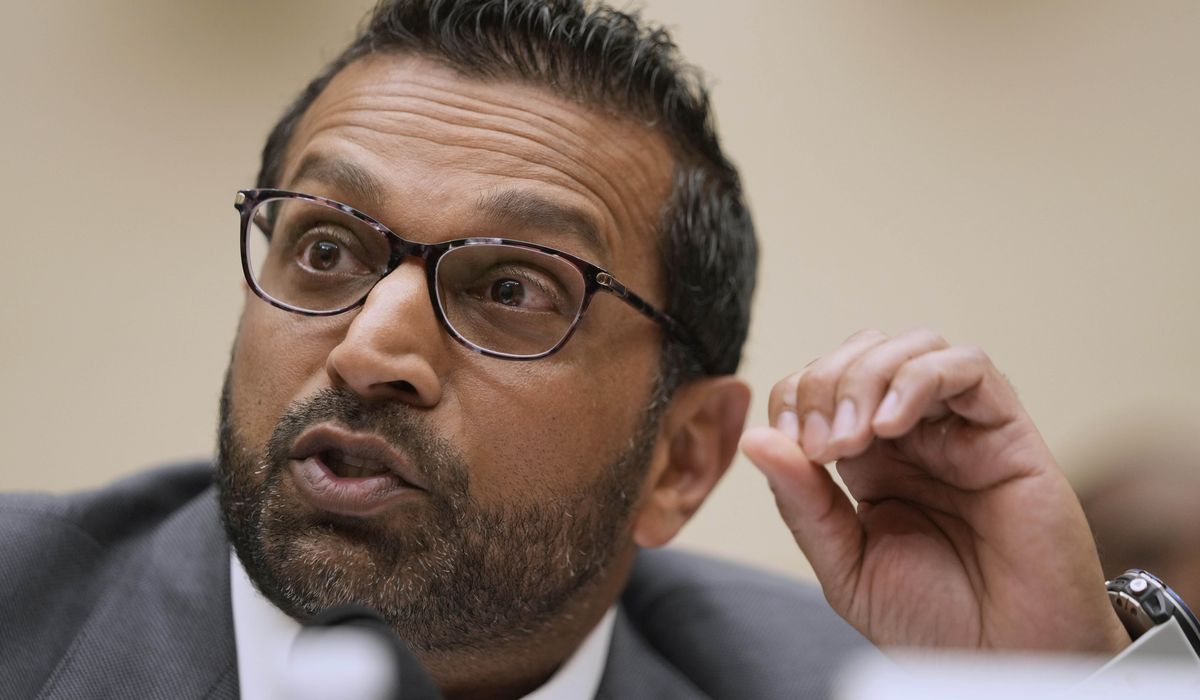
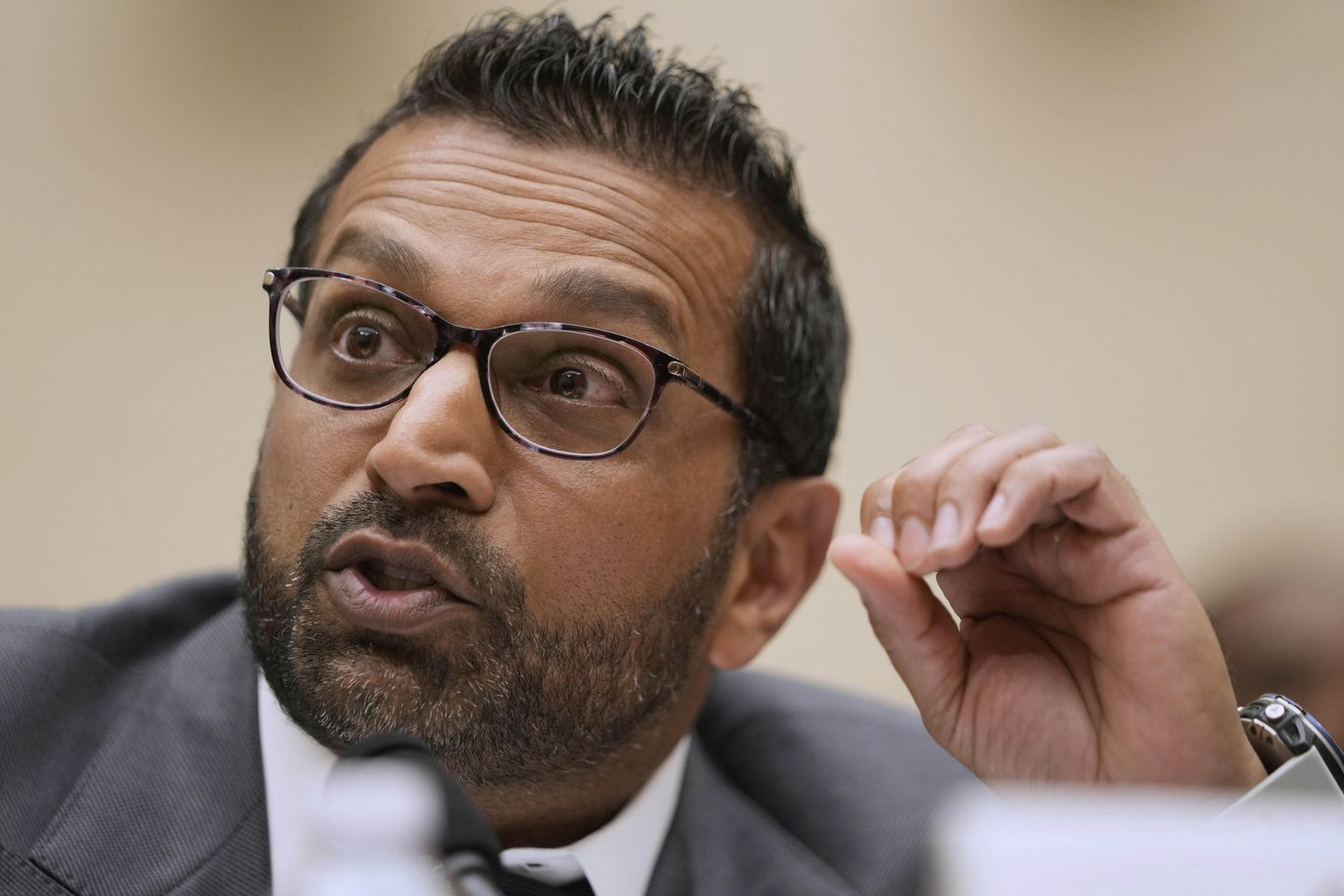
FBI Director Kash Patel and CIA Director John Ratcliffe called on Senate GOP lawmakers on Wednesday not to allow a key provision of the federal surveillance law to lapse next month, as they consider whether to include reforms to protect Americans from past abuses.
Republicans who listened to both Mr. Patel and Mr. Ratcliffe appeared concerned about how much time they would have to complete any reforms.
“We’re getting down to the deadline here, and I don’t think there probably is time to do reforms that might be acceptable, that might work,” said Sen. Ron Johnson, Wisconsin Republican. “I think John Ratcliffe and Kash Patel did a pretty good job explaining why this needs to be reauthorized now, my guess is the White House would be all for reforms, but there is just literally not enough time.”
Sen. Steve Daines, Montana Republican, said lawmakers will “take a look at what reforms, if any, will be included in it.”
“But it’s an incredibly valuable tool to keep our country safe,” he said. “The concerns many of us have are just the abuse of it, like the [surveillance of former Trump campaign aide] Carter Page and so forth in the past, but I trust Director Ratcliffe and Director Patel.”
Section 702 of FISA authorizes U.S. spy agencies to intercept communications of foreigners abroad, but Americans can be ensnared in the surveillance when communicating with foreigners.
This section of the law sunsets every two years and must be reviewed and reauthorized by Congress. The current version is set to expire April 20.
Critics say the spying tool threatens constitutional rights when FBI or U.S. intelligence officials look through the data without a warrant. The FBI and U.S. intelligence agencies have also searched the collected data for information about Americans.
Lawmakers in both parties have fought to make reforms to Section 702 every two years, but often face resistance from members of the House and Senate Intelligence committees who say a “clean” reauthorization is necessary to protect national security.
Sen. Mike Lee, Utah Republican, is a leading proponent of making changes to Section 702. He has proposed legislation with Mr. Daines and Democratic Sens. Cory Booker of New Jersey and Sen. Ron Wyden of Oregon to do that.
“I’ve been talking to [Mr. Patel], including today, [about bills] that require more time,” Mr. Lee said.
“My big concern has just been in the realm of queries directed specifically at a known U.S. person,” Mr. Lee said. “There ought to be some layer of protection given past abuses and potential for the future. I would love to see a warrant requirement in there. They’re correct in pointing out we need 702 and they’re correct in pointing out that this stuff is lawfully obtained.”
Mr. Lee expressed concern that a U.S. person typically has no way of knowing that his or her communications may have been incidentally collected during a probe of a foreign target. He wants a safeguard.
Wrangling enough lawmakers to support reauthorizing Section 702 of the law without any changes is expected to be a tough climb. Lawmakers in both parties list past abuses of FISA, including:
• The FISA Court between 2017 and 2018 reported thousands of improper U.S. person queries, including a batch of more than 70,000 people with FBI facility access, crime victims, and people who had only submitted tips to the FBI.
• In December 2017 alone, over 6,800 improper queries were run in a single day.
• Between 2020 and 2021, more than 278,000 violations occurred involving warrantless searches of George Floyd/BLM protesters, Jan. 6 Capitol rioters without proper justification, and 19,000 donors to a congressional campaign.
• Lindsey McPherson contributed to this report.