Americans were already feeling uneasy about purchasing an electric vehicle. Then the generous tax subsidies ended.
Sales of EVs plummeted by nearly one-third in October after President Trump and Republicans killed the $7,500 federal tax credit.
The end of EV subsidies follows a trio of regulatory changes that eliminate mandates on automakers to produce electric vehicles and are poised to push the decline in EV sales even further.
“The policy reversal on EVs that has occurred this year is a remarkable return to sanity after decades of government actions to force EV production,” said Brent Bennett, a policy director at the Texas Public Policy Foundation and author of a comprehensive study on EV subsidies.
The latest numbers provided by Cox Automotive show car dealers sold 74,835 electric vehicles last month, a 30.3% decrease from October 2024 and a drop of more than 48% since September, the final month the federal tax credit was available for EV purchases.
Mr. Trump campaigned on ending EV subsidies and removing the regulatory framework that forced automakers to build an increasing number of electric vehicles.
The policy changes and elimination of subsidies are expected to significantly curb EV sales even further next year.
Ford CEO Jim Farley said 2026 electric vehicle sales could be “cut in half or more” because of the regulatory changes and lack of subsidies.
Along with ending the $7,500 tax credit, the Republican-led Congress removed the penalty for automakers who failed to meet Corporate Average Fuel Economy Standards. The standards compelled automakers to manufacture an increasing number of electric vehicles to avoid incurring a substantial civil penalty.
In 2023, the Biden administration proposed a stricter emissions standard requiring two-thirds of all cars and 25% of all heavy-duty trucks sold in the U.S. to be electric-powered by 2032.
In July, Environmental Protection Agency Administrator Lee Zeldin set aside the new standard by moving to rescind the 2009 endangerment finding that the federal government uses to regulate tailpipe emissions from the nation’s vehicle fleet.
Congress also voted to block California’s rule banning the sale of new gas-powered vehicles by 2035.
“With these policy drivers gone, we expect automakers to build more hybrid vehicles and to ease price increases on gasoline-powered vehicles because they no longer have to offset so many EV losses. Consumers will win all the way around,” Mr. Bennett said.
According to J.D. Power, EV sales plummeted by 53% in October and now represent just 6.0% of total monthly new vehicle sales, down from 12.9% in September, when consumers rushed to take advantage of the tax credit.
“The big question now is whether that decline represents a true shift in consumer sentiment away from EVs or more of a rebound effect following several months of surging sales,” the consumer analytics company posted on its website.
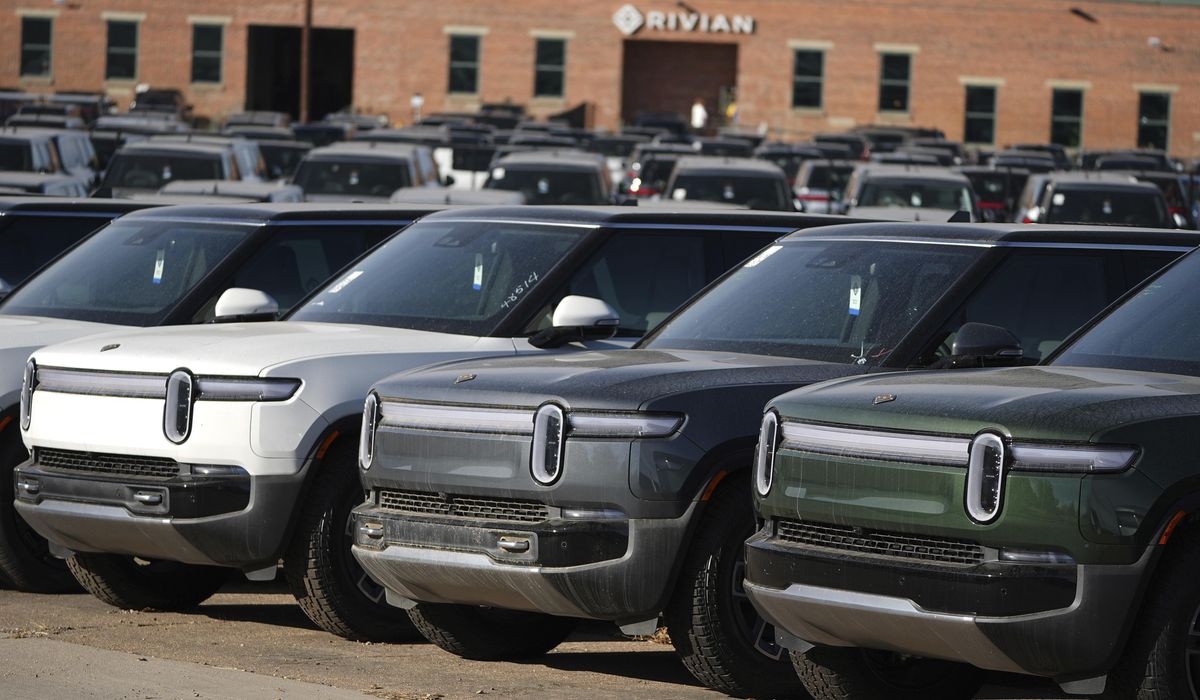
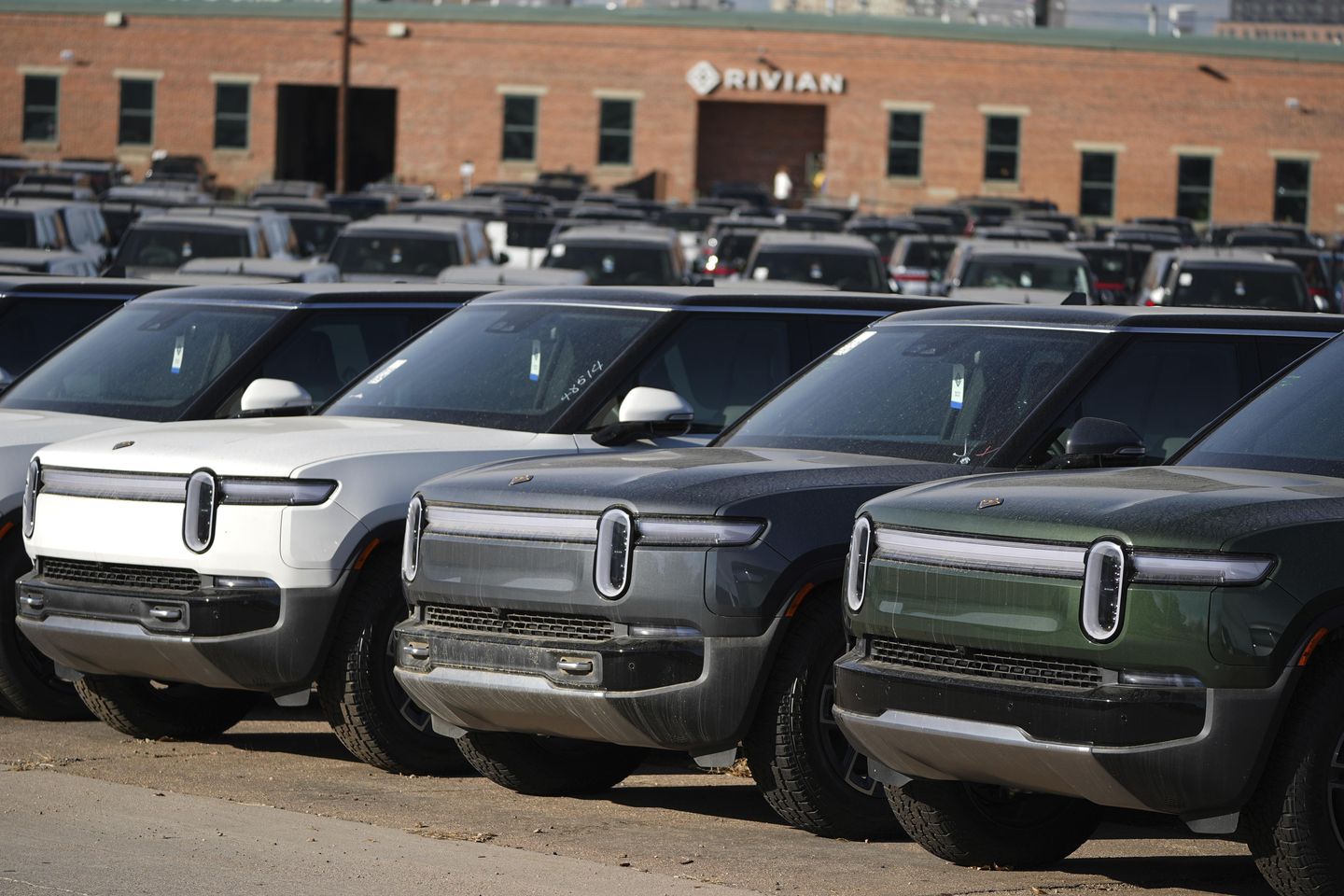
Car dealers say consumers have long gravitated to less-expensive, gas-powered vehicles or hybrids, leaving EVs to sit on dealer lots.
Many automobile manufacturers have already made plans to scale back EV production. Ford, which has spent billions on the development and production of electric vehicles, may pull the plug on the all-electric truck, the F-150 Lightning because of weak sales.
Nissan, Kia, Acura, Mercedes, Stellantis, and Porsche have all scaled back their electric vehicle production, primarily because of low consumer interest that is likely to worsen without the tax incentive.
Tesla sales increased by 18% in September as consumers rushed to buy an electric vehicle before the subsidy expired. Sales sank by 24% in October, according to Motor Intelligence, which tracks car sales.
An American Automobile Association survey released in June found only 16% of U.S. adults said they were “very likely” or “likely” to purchase a fully electric vehicle as their next car, the lowest percentage of EV interest since 2019.
The percentage of consumers who said they were “unlikely” or “very unlikely” to purchase an EV, AAA found, rose from 51% to 63%, the highest since 2022.
Consumers cited high battery repair costs, high purchase price and limited driving range as key reasons to avoid buying an electric vehicle.
According to Cox Automotive, the average transaction price for new electric vehicles increased to $59,125, up 1.6% from September and 2.3% from October of 2024. By comparison, the average transaction price for a gasoline-powered vehicle was roughly $10,000 cheaper, at $49,084.
Gas prices, which reached $5 per gallon in 2022, dropped to an average of $3.15 in September, further dampening enthusiasm for EVs.
Scott Kunes, the chief operating officer of Kunes Auto and RV Group, which sells American-made cars and Nissan and Mitsubishi vehicles at dealerships in the Midwest, has had to turn away new electric vehicles in recent years as he struggled to sell his current inventory.
“EV interest hasn’t disappeared, but it has certainly shifted now that the federal tax credit has come to an end. Anytime an incentive goes away, we see consumers take a beat and reevaluate their options, and that’s exactly what’s happening here. Demand is still present, but customers are far more price-sensitive and thoughtful about how an EV fits into their daily lives,” Mr. Kunes told The Washington Times.
“We’ve watched more buyers lean toward hybrids as a middle ground, especially in markets where charging access is limited or where longer-range travel is common. That’s not a sign that EVs are going away — it’s simply the market recalibrating,” he said.