The Trump administration has been holding covert meetings with a fringe group seeking to separate the oil-rich province of Alberta from the rest of Canada, adding a layer of intrigue to the increasingly tense relationship between Washington and Ottawa.
U.S. State Department officials met three times since April with leaders of the Alberta Prosperity Project (APP), a group of separatists who want the province to break away from Canada.
APP backs an independence referendum in Alberta. The referendum, which has yet to be called, would make Canada’s fourth-largest province an independent state. A group allied with them, Stay Free Alberta, is trying to gather the 177,000 signatures. If successful, the vote could come between late 2026 and May 2027.
APP CEO Mitch Sylvestre told The Washington Times that the meetings with U.S. officials have focused on establishing a trade deal, should Alberta break away from Canada. While he acknowledged that APP does not have the authority to negotiate such an agreement, Mr. Sylvestre didn’t want an independent Alberta to be caught flat-footed if the referendum won approval.
“Since we do 88% of our trade with the U.S., I think that’s a very prudent step before you go off half-cocked and all of a sudden, day one, you no longer have any trade agreements with anyone,” he said. “It would be good to gauge the temperature in the room.”
Mr. Sylvestre said the Trump administration officials did not make any promises or pledges to help the separatist group. He also said APP leaders made it clear that they would prefer the Trump administration stay clear of the independence movement because “the most polarizing thing in Canada is Donald Trump.”
“There were no promises made because what would be the point of them promising three Alberta citizens anything?” he said.
He also insisted that APP’s goal is a sovereign Alberta and has no interest in becoming the 51st U.S. state.
“We definitely don’t want people to think we are doing this to become the 51st state because neither side wants that. Not our side, for sure,” Mr. Sylvestre said.
A White House official declined to confirm the meeting, but said officials “meet with a number of civil society groups. No support or commitments were conveyed.”
It is a tense time for the normally friendly U.S.-Canada relations.
President Trump imposed steep tariffs on Canadian goods, touching off a trade war. He repeatedly talked about annexing Canada and making it part of the U.S., exasperating the NATO ally.
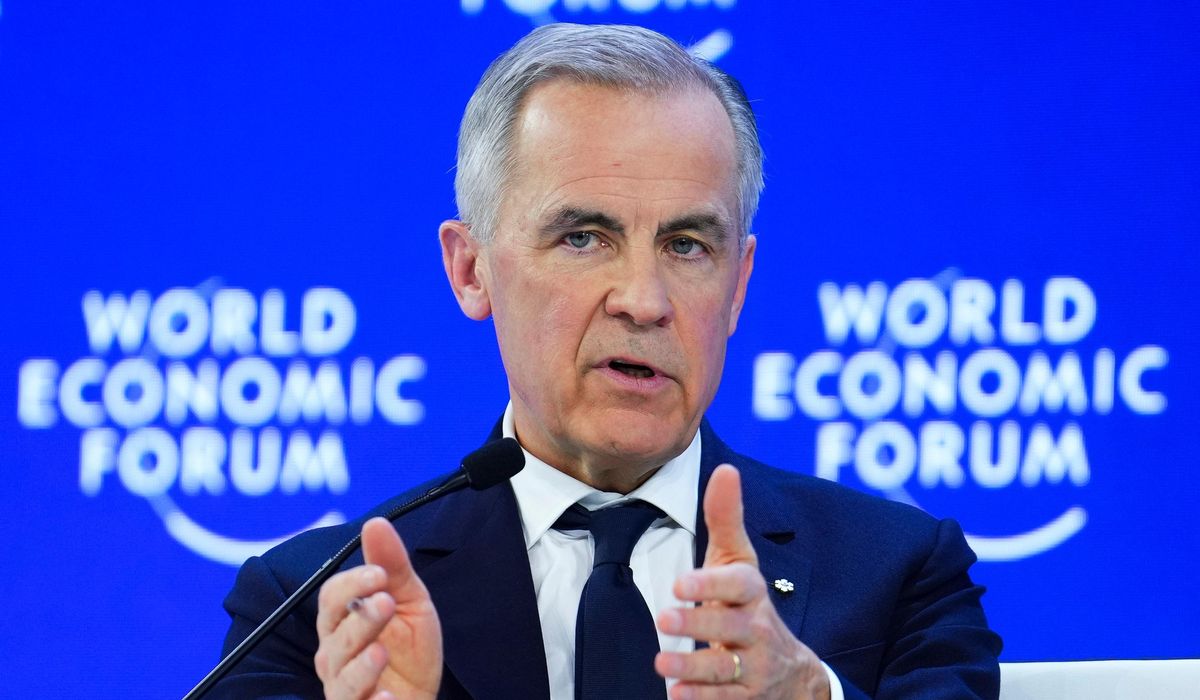
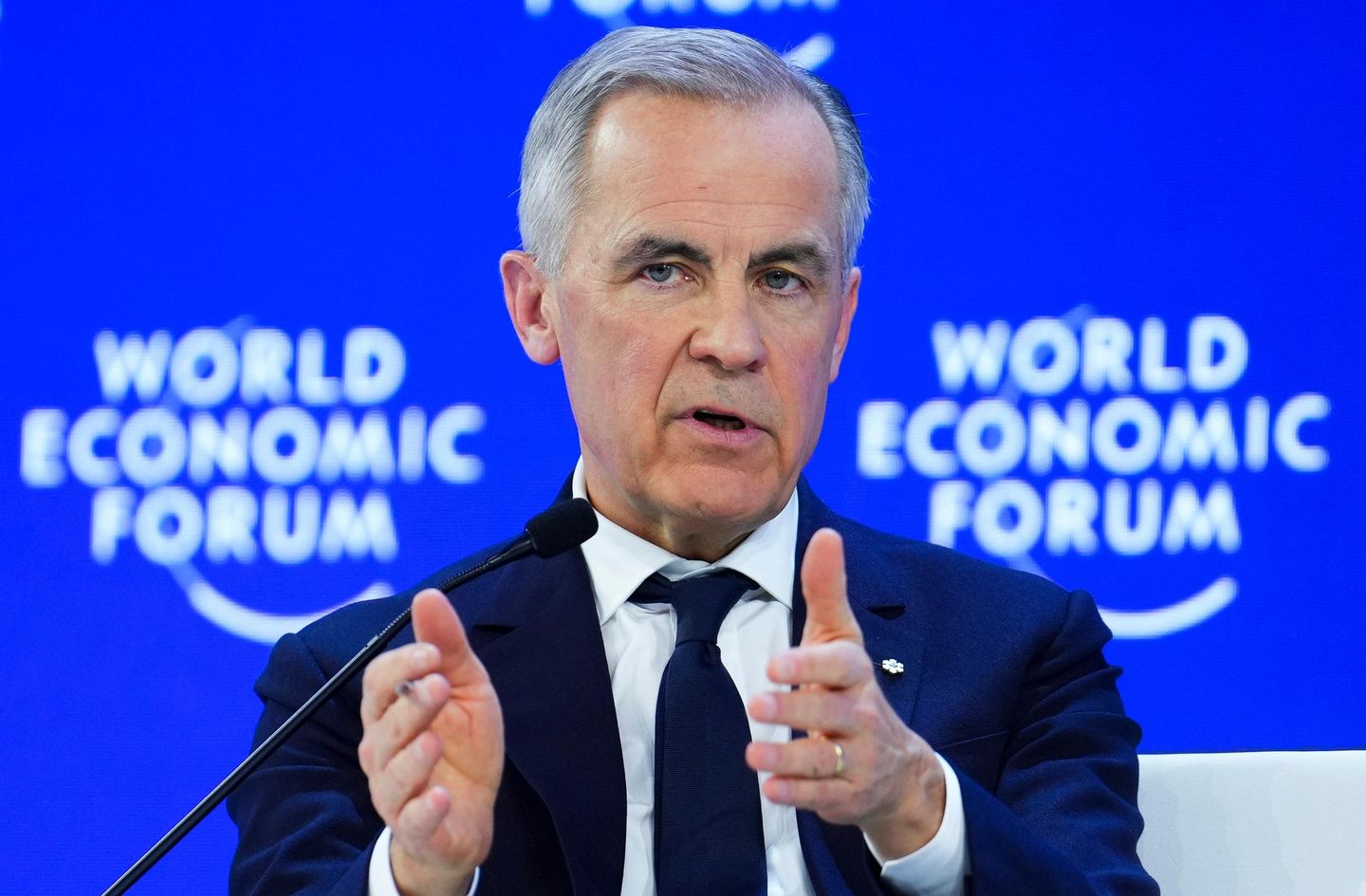
Canadian Prime Minister Mark Carney delivered a scathing anti-Trump speech last month at the World Economic Forum in Davos, Switzerland, warning that Mr. Trump had caused a “rupture” in the global order.
Mr. Carney is also retaliating against Mr. Trump’s tariffs by trying to reduce Canada’s trade with the U.S. and increase trade with China, India and other countries.
When asked about the meetings between Trump officials and the Alberta separatist movement, Mr. Carney, who was raised in Alberta, responded: “We expect the U.S. administration to respect Canadian sovereignty.” He added that Mr. Trump had never raised the issue of Alberta separatism with him.
British Columbia Premier David Eby was more direct, calling the behind-the-scenes meetings “treason.”
“To go to a foreign country and to ask for assistance in breaking up Canada, there’s an old-fashioned word for that – and that word is treason,” he said. “It is completely inappropriate to seek to weaken Canada, to go and ask for assistance, to break up this country from a foreign power and — with respect — a president who has not been particularly respectful of Canada’s sovereignty.”
APP is seeking another meeting with State and Treasury officials to ask for a $500 billion credit line should Alberta become independent, Jeff Rath, legal counsel for APP, said in January. Mr. Sylvestre declined to confirm if APP will ask for the credit line.
The Alberta separatist movement has existed in some form or another since 1905, with it becoming a key platform of the Social Credit Party, a political party that formed in the province sometime in the 1930s.
Typically, the push for independence has centered on the argument that because of the money Alberta’s oil industry generates for Canada, the province is getting far less for its taxes than its residents and businesses are paying.
However, in recent years, the Alberta separatist movement has focused on the message that the western province’s more conservative values have been canceled out by the liberal and more populous eastern provinces. Separtists argue that the government’s efforts to curb climate change have hampered Alberta’s oil industry.
Alberta is seeking to build a new oil pipeline, which would allow it to get its oil to tankers in the Pacific faster, but a slew of regulatory and environmental opposition has stalled the project.
“We literally have to get away from the liberal government,” Mr. Sylvestre said. “Alberta has always been conservative, and we don’t get any representation from our government, which is sabotaging our oil industry. It’s the biggest reason we want to leave.”
Alberta is roughly the size of Texas and home to five million people. Its nickname is The Energy Province because its oil accounts for about 84% of Canada’s total crude oil production. It is considered the most conservative of the 10 Canadian provinces.
Treasury Secretary Scott Bessent said last week that Alberta would be “a natural partner for the U.S.”
“I think we should let them come down into the U.S.,” he told podcaster Jack Posobiec. “They have great resources. The Albertans are very independent people,”
Mr. Bessent added that the separation movement likely gained steam because the Canadian government blocked the pipeline planned in the province.
“Alberta has a wealth of natural resources, but they won’t let them build a pipeline to the Pacific,” he said.