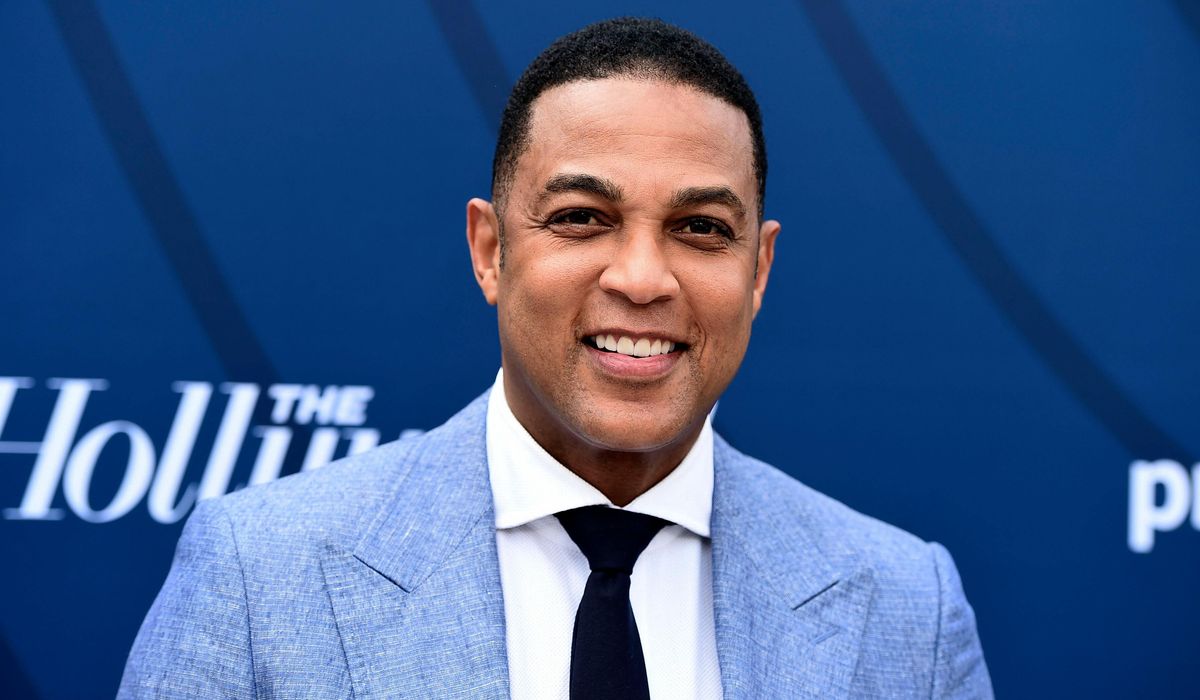
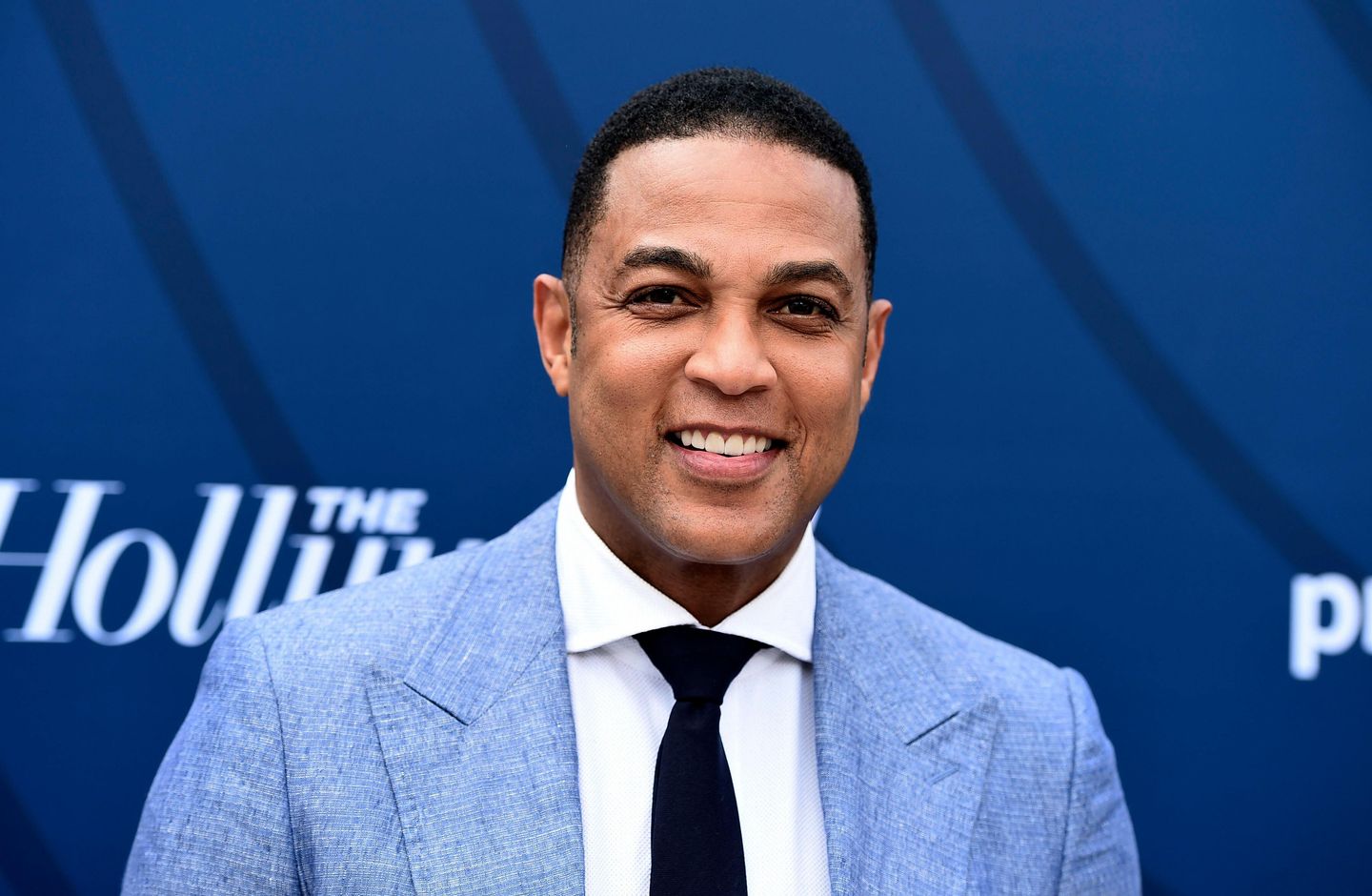
The arrest of Don Lemon in Los Angeles has raised national constitutional questions about how federal law applies to journalists covering protests and disruptive public events. Charged with conspiracy-related offenses and violations of the FACE Act, Lemon’s arrest follows his coverage of a January 18 demonstration at Cities Church in St. Paul, Minnesota.
The case is being closely watched in part because early efforts to secure warrants reportedly faced obstacles in federal court before prosecutors ultimately proceeded through a grand jury indictment. As Lemon awaits his court appearance, the case leaves the public and the press corps grappling with five critical questions to ponder.
1. How do courts distinguish between reporting on an event and participating in it?
Prosecutors allege that Lemon’s actions went beyond neutral observation and became part of unlawful conduct connected to the church disruption. Historically, the First Amendment has protected journalists covering acts of civil disobedience as long as they do not provide material assistance or direction to the participants.
The Stake: In an era of livestreaming, the line between documenting and facilitating can appear less clear in real time. If a reporter follows a group into a restricted area to capture the story, how do courts evaluate whether filming remains observation or becomes evidence of participation? This case could influence how that boundary is understood for the next generation of independent media.
2. What role does advance information play in assessing criminal liability?
Lemon has noted he learned about the protest in advance. This is something that is common in journalism, where reporters often receive tips about planned events to ensure they are on-site to document them. In conspiracy law, however, prosecutors sometimes examine whether advance knowledge is connected to intent or a prior agreement to commit an act.
The Stake: If communication with organizers or sources before a protest is treated as legally significant, it raises broader questions about how journalists gather information. The public may watch closely to see how courts distinguish routine news-gathering from evidence of unlawful coordination in an increasingly polarized political climate.
3. The FACE Act: How should statutes addressing obstruction apply to journalists?
The Freedom of Access to Clinic Entrances (FACE) Act is often associated with preventing obstruction or intimidation at reproductive health facilities, but it also includes provisions addressing interference with religious worship. Its use in this case, involving a journalist documenting events inside a church, is an uncommon application of the statute.
The Stake: Does “interference” under FACE require physical obstruction or intimidation, or can other forms of presence be considered relevant? How courts interpret the statute here could shape future protest coverage in sensitive spaces such as houses of worship, where the right to report often collides with the right to worship without disruption.
4. When does federal persistence become an bypass of judicial oversight?
Reporting indicates that an initial attempt to secure a criminal complaint or arrest warrant was not approved by a magistrate judge, who cited insufficient probable cause at that stage. Prosecutors then sought emergency appellate review, and the Eighth Circuit declined to compel the issuance of additional warrants. After these early procedural obstacles, the Justice Department ultimately proceeded through a grand jury indictment.
The Stake: This sequence highlights how federal cases can move forward through different procedural mechanisms, some of which occur largely outside public view. Readers may consider what level of transparency and judicial scrutiny should exist at various stages, particularly in cases involving journalists.
5. How do we weigh the right to worship against the right to report?
This case brings into tension two bedrock First Amendment principles: the Free Exercise Clause and the Free Press Clause. Congregants have a right to worship without unlawful disruption, while journalists have a protected role in reporting on matters of public concern, even when those events occur in non-public settings.
The Stake: When protests occur in sensitive settings such as houses of worship, courts may be asked to clarify how these rights coexist. The Lemon case may contribute to broader legal discussions about the boundaries of protest, privacy, and press access in spaces not typically treated as public forums, potentially setting a new standard for how media interacts with religious institutions.
The case of United States v. Lemon raises questions that could affect future press-freedom debates. By combining civil rights conspiracy charges with statutes protecting religious worship, federal prosecutors are navigating an uncommon intersection of protest law and press protections. As the proceedings move from the headlines into a Los Angeles federal courtroom, the answers to these five questions may influence how similar cases are argued in the future for every journalist, activist, and citizen standing at the intersection of dissent and the law.
This article is written with the assistance of generative artificial intelligence based solely on Washington Times original reporting and wire services. For more information, please read our AI policy or contact Steve Fink, Director of Artificial Intelligence, at sfink@washingtontimes.com
The Washington Times AI Ethics Newsroom Committee can be reached at aispotlight@washingtontimes.com.