TLDR:
- CPAC opens Wednesday in Dallas, its latest stop after leaving Washington behind
- COVID-19 forced the move — and organizers say it turned into a major win
- Chairman Matt Schlapp says red-state venues are friendlier and easier to work with
- Conservatives say the geographic shift reflects a growing, decentralized movement
When COVID-19 forced the Conservative Political Action Conference out of Washington, organizers feared the worst. Instead, they found something better.
“The hotel basically wouldn’t let us have CPAC,” ACU Chairman Matt Schlapp told The Washington Times. “So, we went to Texas and Florida, and we found … that the VIPs would travel and the ticket holders would travel and come from new states, and we made new friends.”
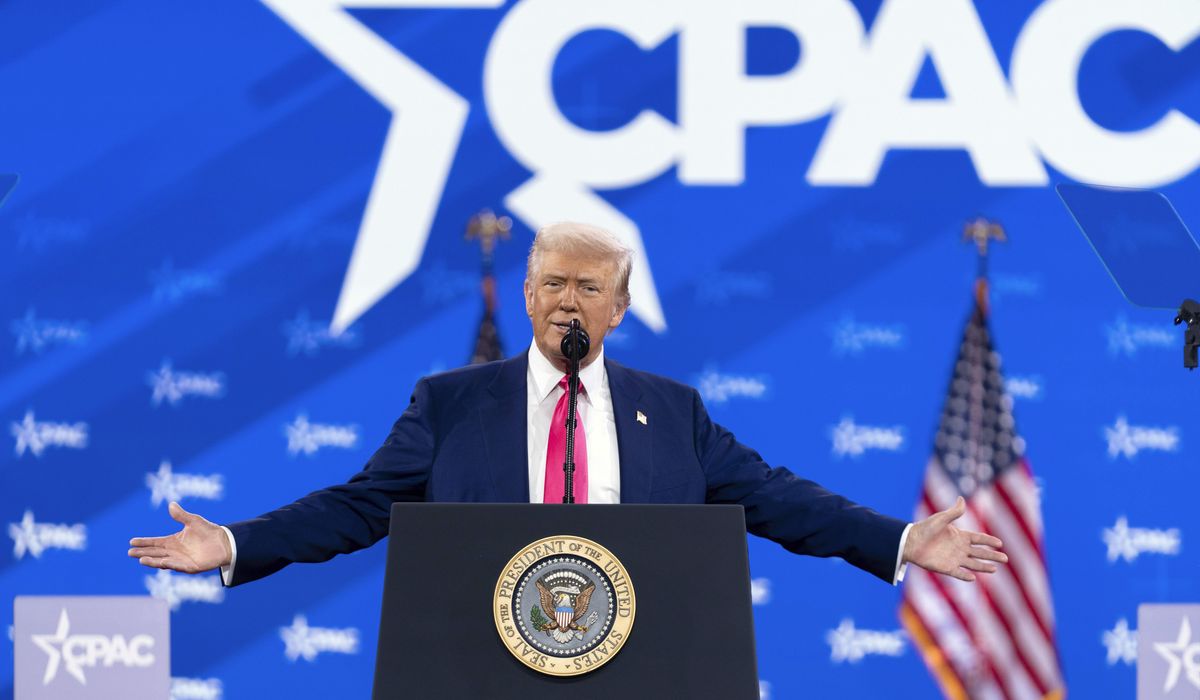
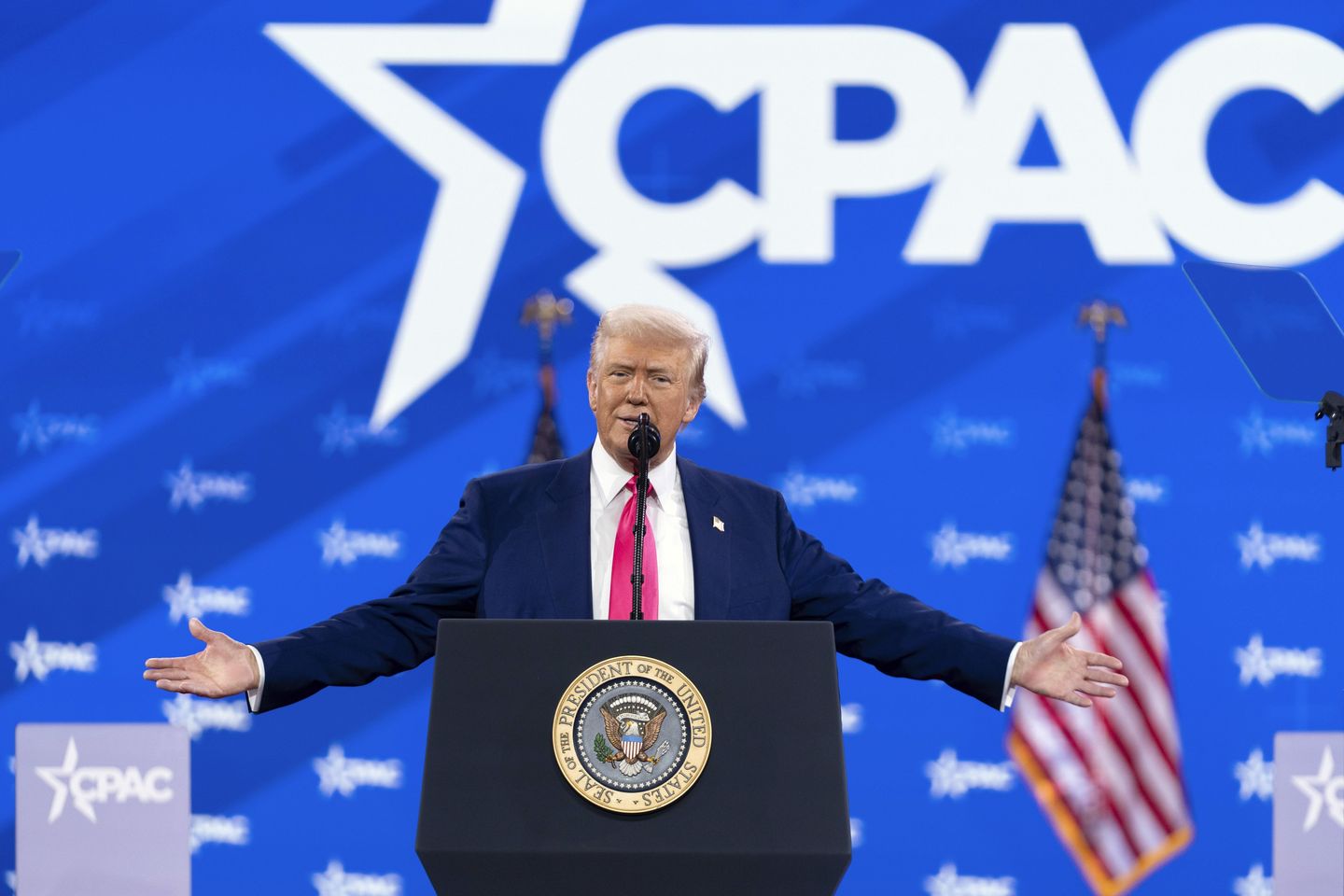
This year’s CPAC opened Wednesday in Dallas and runs through Saturday, with speakers including Sen. Ted Cruz of Texas, evangelist Franklin Graham and YouTube journalist Nick Shirley.
Mr. Schlapp said the benefits of leaving the Washington area went beyond logistics.
“It’s a lot easier to do business in a red state, and the employees are friendlier, and you don’t feel like you’re in hostile territory,” he said.
CPAC, which launched in 1974 as a vehicle for Ronald Reagan’s presidential ambitions, spent decades anchored in Washington before permanently departing in 2013. It settled at Maryland’s National Harbor before COVID pushed it south for good.
Conservative consultant Diana Bannister said the move reflects a broader shift in the movement itself.
“We have to get to where the people are at the grassroots level,” she said, “and go where they are, not just expect them to come to Washington, D.C., every year.”
Read more:
• CPAC’s break with Washington tracks shifts in the conservative movement
This article was constructed with the assistance of artificial intelligence and published by a member of The Washington Times’ AI News Desk team. The contents of this report are based solely on The Washington Times’ original reporting, wire services, and/or other sources cited within the report. For more information, please read our AI policy AI policy or contact Steve Fink, Director of Artificial Intelligence, at sfink@washingtontimes.com
The Washington Times AI Ethics Newsroom Committee can be reached at aispotlight@washingtontimes.com.