As GOP momentum builds to enact a federal voter ID law, a key Republican is pushing for broader changes than the House-passed SAVE America Act would install.
House Administration Chairman Bryan Steil, Wisconsin Republican, is leading a bill called the Make Elections Great Again Act that would ban automatic sending of mail-in ballots, end ranked choice voting, prevent ballot harvesting and require maintenance of voter rolls.
“If you pass the comprehensive reforms that are in MEGA, we will see a dramatic increase in Americans’ confidence in our elections,” Mr. Steil said.
Mr. Steil, whose panel has jurisdiction over election law, supports the SAVE America Act, which would require proof of citizenship to register to vote and an ID to cast a ballot.
His bill includes those provisions as well, but he wants to do more.
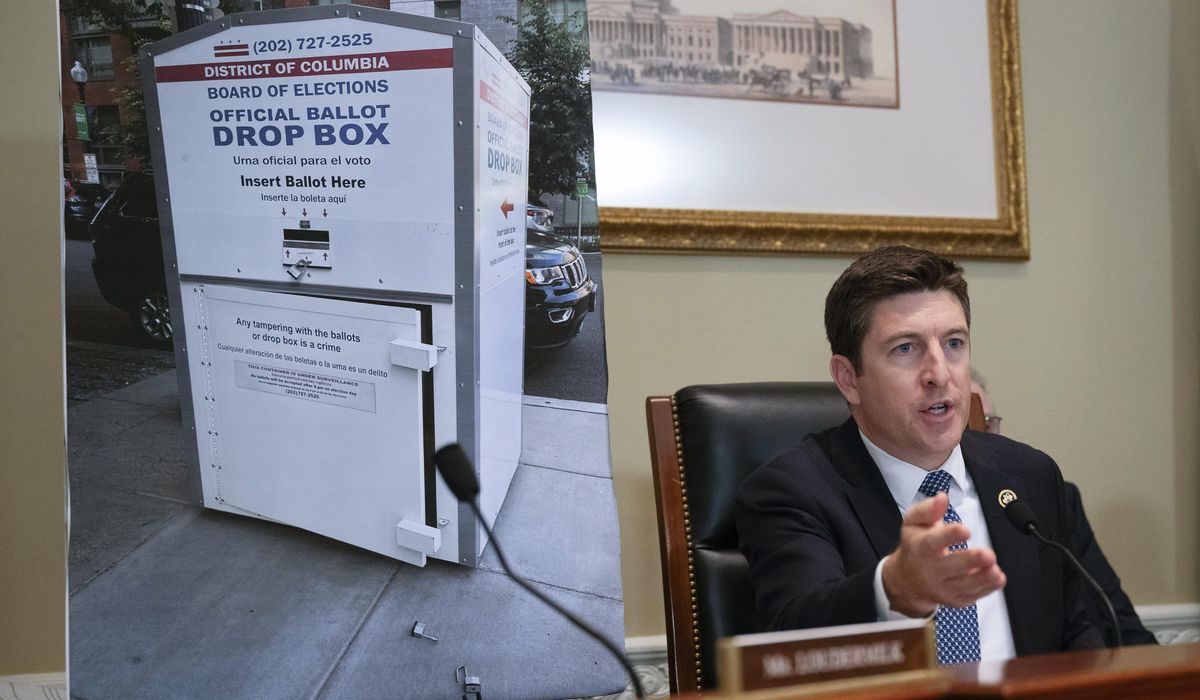
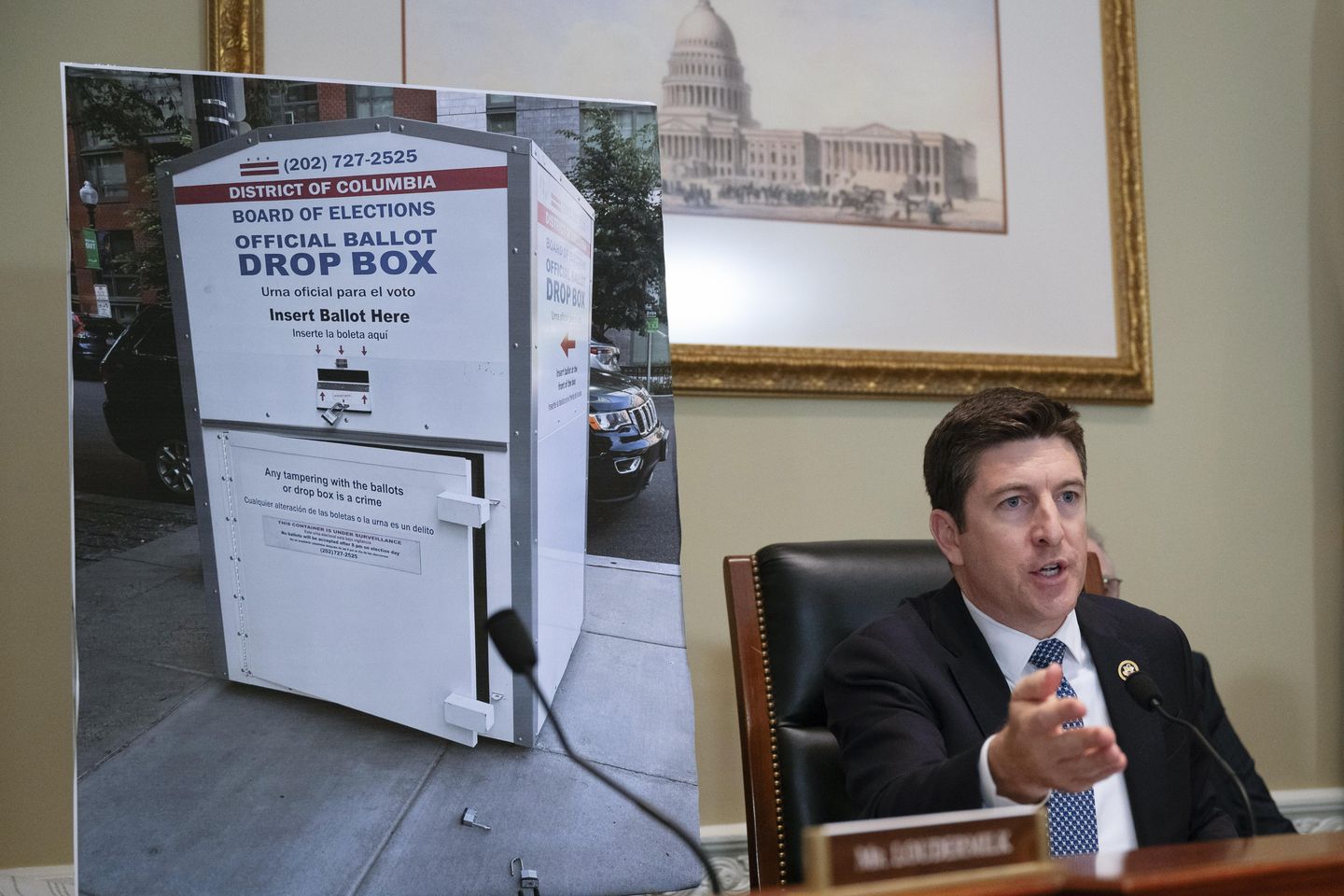
“Let’s clean up the whole system,” Mr. Steil said as he hosted a roundtable Tuesday with outside experts to highlight the need for the various provisions in the MEGA Act.
The panelists backed the bill’s effort to ban ranked choice voting.
Former Virginia Attorney General Ken Cuccinelli, now the national chairman of the Election Transparency Initiative, said ranked choice violates the constitutional principle of “one person, one vote.”
Hans von Spakovsky, a senior legal fellow for Advancing American Freedom, said some voters do not complete the rankings due to “ballot exhaustion,” and their votes are thrown out if a race proceeds to multiple ballots.
“That is a disenfranchisement of voters,” he said.
Donald Palmer, who serves on the U.S. Election Assistance Commission, said ranked choice voting can be especially difficult for individuals with disabilities.
The MEGA Act fulfills President Trump’s desire to curtail mail-in voting by allowing absentee ballots to be sent out only when specifically requested. It also requires mail-in ballots to be received by the end of Election Day if they are to be counted, rather than just postmarked by then, as some state laws allow.
The Supreme Court is reviewing a case on mail-in ballot deadlines, but Congress has the authority to deal with the matter through legislation, Mr. von Spakovsky said, praising the MEGA Act provision.
The panelists also touted the bill’s provisions to ban federal agencies from using taxpayer funds to conduct partisan voter registration initiatives.
Mr. Cuccinelli said that needs to be codified into law to prevent another “brazen scheme” like the one former President Biden initiated to funnel money to voter registration efforts that appeared to target Democratic demographics.
Like the SAVE America Act, the MEGA Act requires proof of citizenship to register to vote. While it is already law that only citizens can vote in federal elections, states have disparate methods for enforcing that requirement.
“There are many errors and gaps in state databases that are used to verify citizenship,” Mr. Palmer said.
Logan Churchwell, research director for the Public Interest Legal Foundation, said every study he has conducted on the issue shows that most noncitizens who are registered to vote have green cards or visas and are in the pipeline to become citizens and were given voter registration forms to sign when they should not have been.
The MEGA Act goes beyond the SAVE America Act in requiring records of noncitizens who are removed from voter rolls, which would help quantify the problem, he said.
“What you see is a state like Texas or Florida removing dozens, even hundreds of noncitizens a month [and] California removing the same amount in a decade,” Mr. Churchwell said.
He said some states, including California, Oregon and Washington, categorize noncitizens who call to have themselves removed from the voter rolls the same way in which they would document a U.S. citizen asking to be removed because they are moving across state lines.
“It’s hidden in the records,” Mr. Churchwell said.
Mr. von Spakovsky said another reason noncitizen registration does not get a lot of attention is that once caught, the cases are rarely referred to prosecutors to bring charges for voter fraud.