More than $250 million in federal funding for Illinois programs risked misuse due to poor monitoring, state audits show.
With Minnesota facing scrutiny over a massive fraud scandal, Illinois is among other states that have continued receiving federal funding despite scathing audits.
Illinois state officials failed to perform required risk assessments for more than $250 million in COVID-19 housing relief and crime victim assistance, leading independent auditors to issue “adverse opinions” stating that the programs did not comply with federal requirements.
Federal regulations require independent audits for state and local government entities receiving federal funding. Such audits are made available to Congress and federal agencies.
“If a corporation received an adverse opinion, or even a qualified opinion, the IRS, the SEC, and probably Congress would be all over them,” Sheila Weinberg, CEO of Truth in Accounting, an Illinois-based fiscal watchdog group, told The Daily Signal.
“With government agencies, bad reports continue, and nothing ever happens.”
The Illinois Department of Human Services didn’t conduct federally-required monitoring of the $177 million in spending for the COVID-19 House Assistance Fund, according to the fiscal year 2023 state audit, the most recent publicly-available state report. The Illinois Housing Development Authority administered the housing program.
“Failure to perform required risk assessments and to adequately monitor subrecipients may result in the subrecipient not properly administering the federal programs in accordance with laws, regulations, and the grant agreements,” the report from the Illinois Auditor General’s office warned.
Neither the Illinois Department of Human Services nor the Illinois Housing Development Authority responded to inquiries for this story.
The audit cited conversations with Human Services officials complaining of a lack of resources to oversee the program in collaboration with the housing authority.
The auditor’s office recommended that the department implement monitoring procedures in accordance with federal regulations. It said the department “agrees with the finding and recognizes the importance of programmatic reporting.”
In Minnesota, federal prosecutors brought fraud charges against almost 100 people for $9 billion in alleged welfare fraud. Such fraud hasn’t yet been alleged in Illinois, but the audits say the funding is vulnerable.
“For a while, people seem to be paying attention to waste, but I’m hesitant to say this is a turning point,” Weinberg said of the Minnesota fraud case. “People should have been paying attention before. A good solution would be if Congress or federal agencies looked at these state audits and decided not to send more money.”
The same FY 2023 audit report gave an adverse opinion to the Illinois Criminal Justice Information Authority for not monitoring its allocation of $75.3 million of federal funds on the Crime Victims Assistance program, and failing to conduct on-site visits.
The audit said it found 21 sub-grantees that received assistance and were “designated for high oversight,” requiring a fiscal audit. Of those, only two were actually audited.
“Failure to complete and document reviews of subrecipient single audit reports in a timely manner may result in federal funds being expended for unallowable purposes and subrecipients not administering the federal programs in accordance with laws, regulations, and the grant agreement,” the audit report says.
The Illinois Criminal Justice Information Authority acknowledged the inquiry from The Daily Signal for this story, but did not immediately respond.
The agency responded to auditors that it “does not have staff dedicated to this function.” It said it was “actively in the hiring process for a person who will be dedicated to this work.”
A separate audit, the 2023 Annual Comprehensive Financial Report, gave a qualified opinion for $6.1 million in federally-funded unemployment benefits paid to 2,828 Illinois claimants.
“Qualified opinions” indicate weaknesses in complying with funding requirements, or insufficient audit evidence. They are not as severe as “adverse opinions” in measuring fiscal compliance.
The state audits also gave qualified compliance opinions for childcare, food stamps and other state programs receiving federal funding.
The state comptroller’s office conducted this audit that found “inadequate controls” over unemployment assistance during the COVID-19 pandemic administered by the Illinois Department of Employment Security.
The state received the funding from the Coronavirus Aid, Relief, and Economic Security (CARES) Act, which Congress passed in March 2020 at the beginning of the COVID-19 pandemic.
“Due to the absence of complete and accurate information to support the eligibility of paid and accrued claimants, some amounts in the financial statements could not be audited,” the audit found.
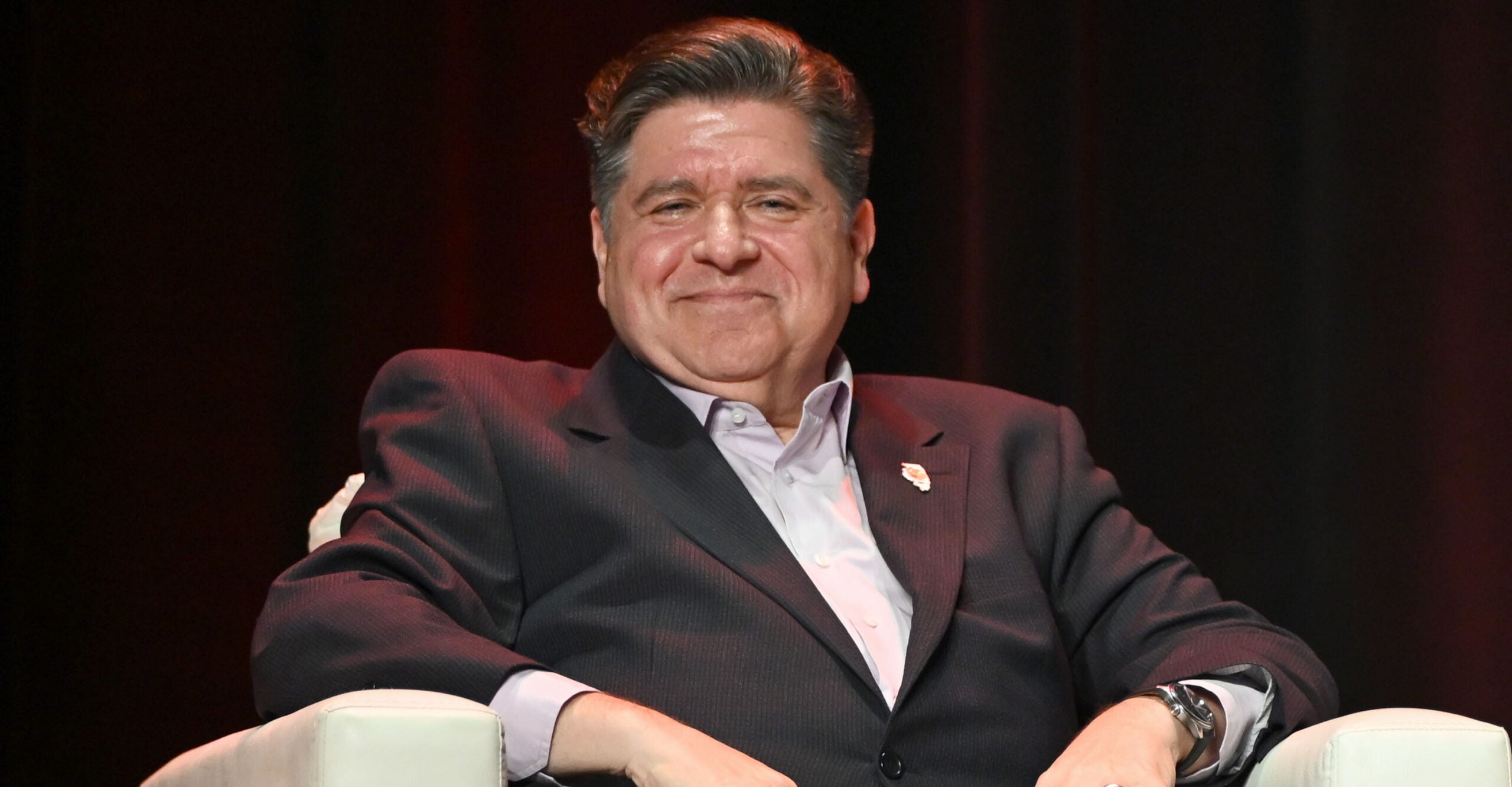
The audit says Illinois Gov. JB Pritzker’s office replied that the state’s employment security department “continues to implement improved general IT controls and to analyze operational management.”
The Daily Signal reached out to Pritzker’s office, the Illinois Comptroller Susana Mendoza’s office, and to the Illinois Auditor General’s office for this story. None responded by publication time.