TLDR:
- Some U.S. companies are implanting microchips in workers to replace keycards and passwords — and states are fighting back.
- Washington state just banned employers from requiring, requesting or even coercing employees to get implants.
- At least 14 states have now restricted or banned workplace microchipping amid privacy and tracking concerns.
- Critics warn the chips could expose personal and health data to hackers — and may even cause physical harm.
Are companies really implanting microchips in their workers? Yes — and it has privacy advocates sounding the alarm.
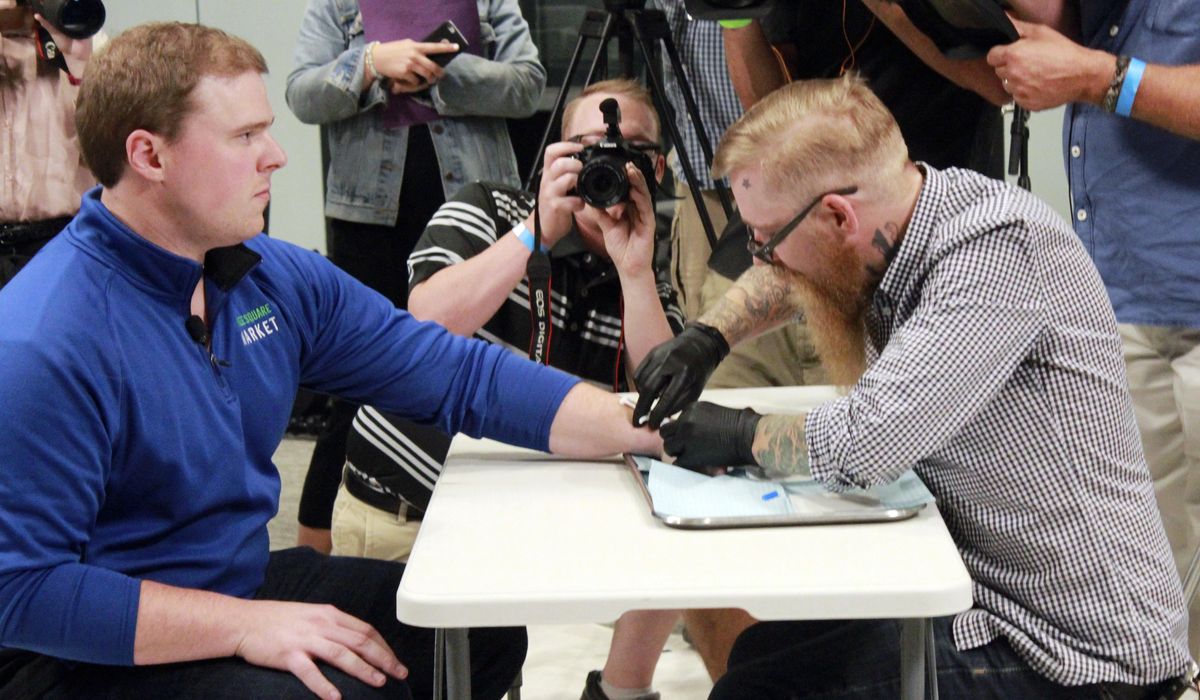
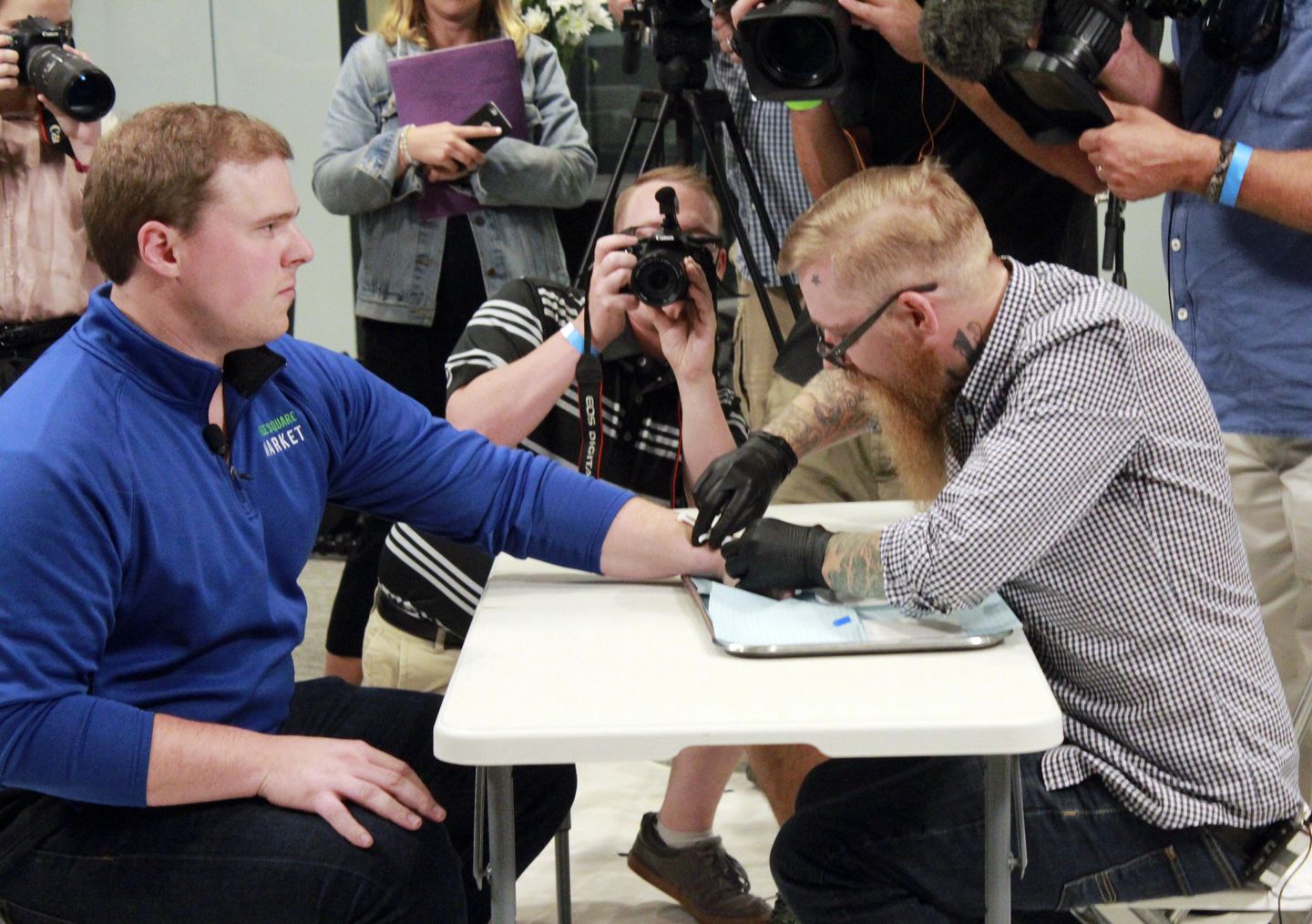
Some businesses are offering employees rice-sized microchip implants that unlock doors, log into computers and even pay for vending machine snacks with a wave of the hand. The technology is spreading quietly — and so is the backlash.
In March, Washington Gov. Bob Ferguson signed House Bill 2303 into law, prohibiting employers from requiring, coercing or even requesting workers to get an implant.
“Microchips may seem like science fiction, but the technology is here,” said state Rep. Brianna Thomas, a Democrat who sponsored the bill. “It creates an opportunity for employers to track employees during work hours and at home. That is scary.”
Washington joins at least 13 other states that have restricted employer-mandated microchipping. Nevada went furthest, banning even voluntary workplace chip programs in 2019.
Beyond tracking fears, experts warn the chips could be hacked, exposing personal, health and work data. Some medical studies have found the implants can injure tissues in the hand and have been linked to tumors in lab mice.
The push for regulation traces back to Three Square Market, a Wisconsin software company that made headlines in 2017 when more than 80 employees voluntarily received implants.
Read more:
• Fears spread about businesses implanting microchips in workers
This article was constructed with the assistance of artificial intelligence and published by a member of The Washington Times’ AI News Desk team. The contents of this report are based solely on The Washington Times’ original reporting, wire services, and/or other sources cited within the report. For more information, please read our AI policy or contact Steve Fink, Director of Artificial Intelligence, at sfink@washingtontimes.com
The Washington Times AI Ethics Newsroom Committee can be reached at aispotlight@washingtontimes.com.