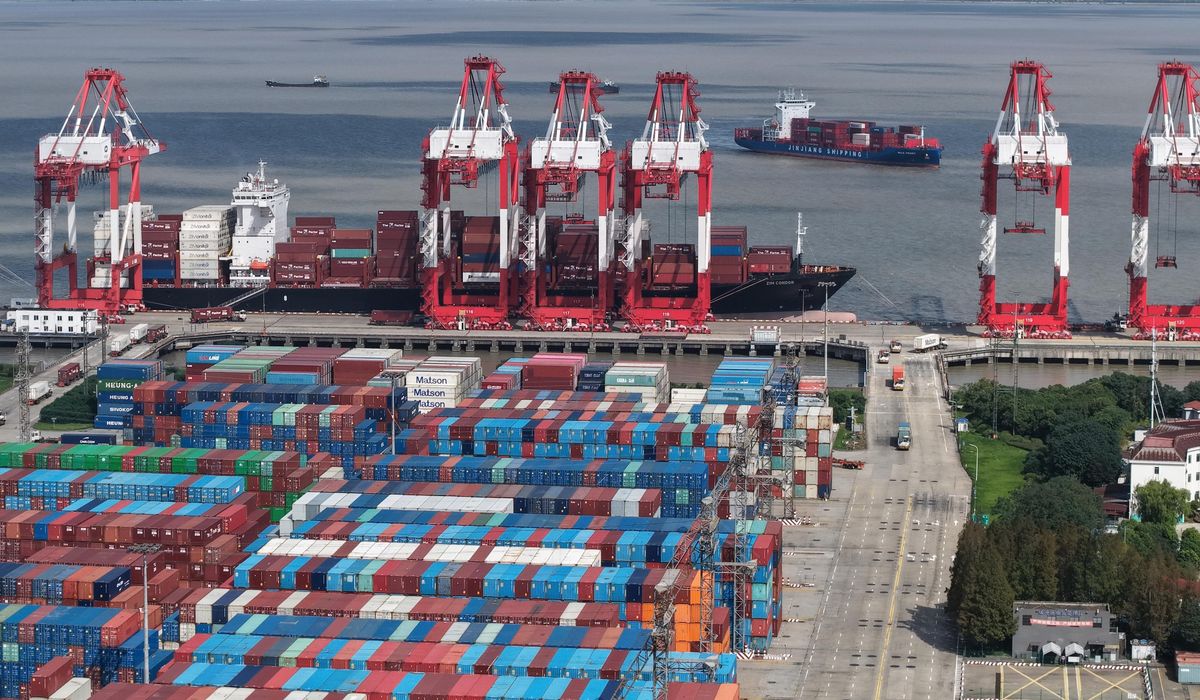
China is launching investigations into U.S. trade practices, a tit-for-tat move ahead of President Trump’s meeting with Chinese President Xi Jinping in May.
The Commerce Ministry in Beijing said “preliminary evidence” indicated the U.S. implemented practices that “seriously undermine” global industries and supply chains, including restrictions on Chinese products and prohibitions on certain tech exports from the U.S. to China.
“These practices and measures may seriously harm the trade interests of Chinese enterprises, and some of these measures are suspected of violating [World Trade Organization] rules and other economic and trade treaties or agreements jointly concluded or acceded to by both China and the United States,” the ministry said.
A second investigation alleges the U.S. may be restricting the export of “green products” from China to the U.S. to slow down the deployment of certain energy projects.
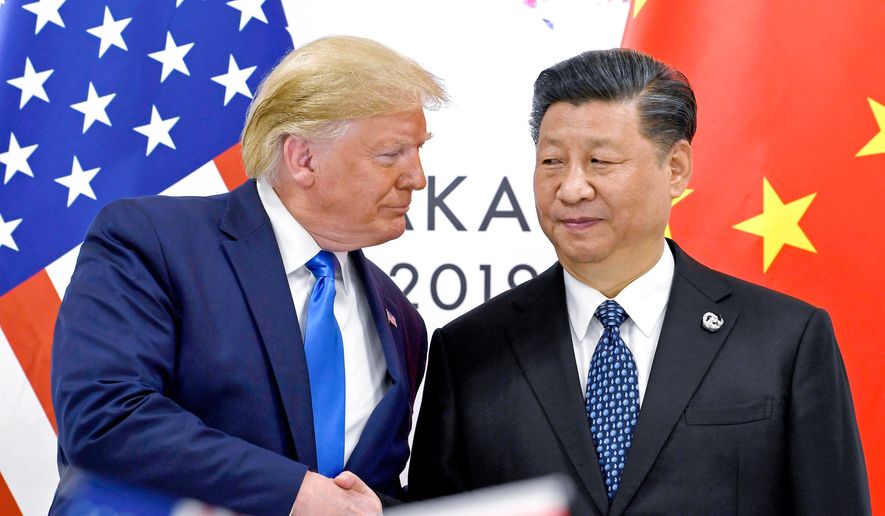
President Donald Trump, left, shakes hands …
more >
The moves are a response to Mr. Trump’s effort to rebuild his tariff framework after the Supreme Court ruled he overstepped in using a 1977 law to slap blanket duties on countries’ goods.
The Trump administration this month opened Section 301 investigations into Chinese practices, including allegations that Beijing promotes overcapacity in certain industries to flood the world with cheap goods.
Also, the U.S. is scrutinizing whether China uses forced labor to make some products.
Once those probes are finished, it will clear the way for Mr. Trump to approve new tariffs on China.
The moves and China’s response add intrigue to Mr. Trump’s visit to Beijing on May 14-15.
Mr. Trump had been set to visit China before Easter, but requested a delay so he could monitor the Iran war from Washington.
The president boasts a warm personal relationship with Mr. Xi, but the U.S. and China have sparred over trade in the past year.
China’s treatment of Taiwan, which the mainland considers a breakaway province, is a source of tension between Beijing and Washington.
Mr. Trump is also expected to press Mr. Xi to do more to rein in fentanyl precursor chemicals that flow from Chinese factories to Mexico. Cartels use the chemicals to make fentanyl, which is trafficked into U.S. communities.