DALLAS — The Conservative Political Action Conference has moseyed into the land of 10-gallon hats, cowboy boots and bolo ties.
In this way, CPAC’s annual gathering this week has been moving farther from its original home in the nation’s capital as the movement has moved farther from the Washington political establishment.
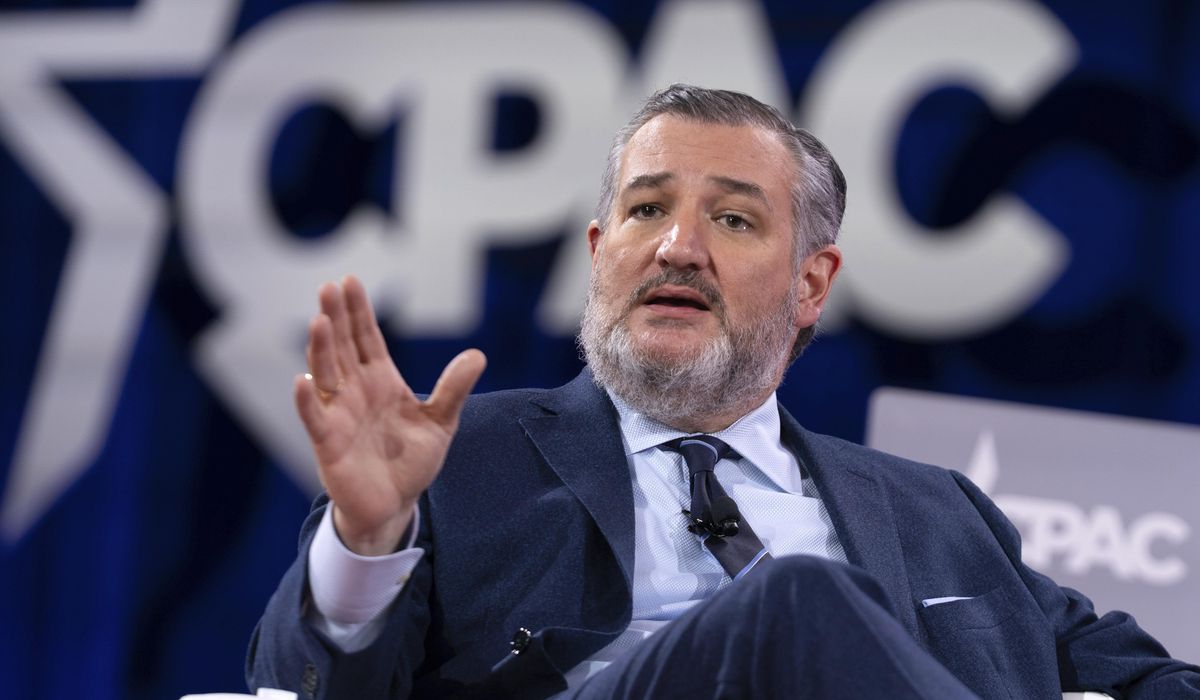
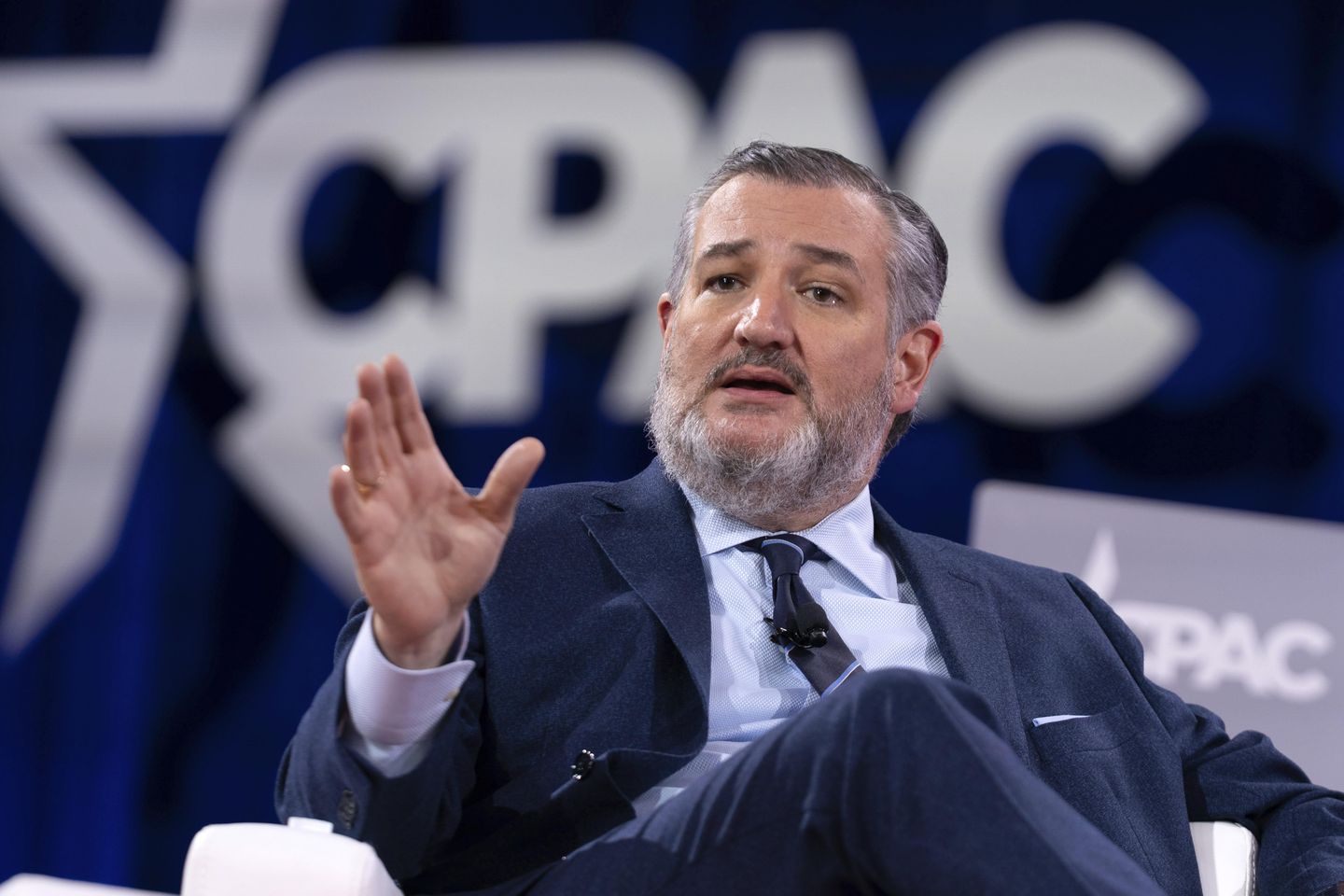
This year’s CPAC opens Wednesday in Dallas and runs through Saturday. The roster of speakers includes Sen. Ted Cruz of Texas, evangelist Franklin Graham and YouTube citizen journalist Nick Shirley, who brought national attention to the massive Medicaid fraud in Minnesota.
Matt Schlapp, the chairman of the American Conservative Union, which hosts CPAC each year, said the COVID-19 pandemic forced the conference out of Washington, which turned out to be a blessing in disguise.
“Over 50 Years of CPACs, and it’s always been in the D.C. area. And the only time that that changes was during all the Chinese corona stuff,” he told The Washington Times. “The hotel basically wouldn’t let us have CPAC. So, we went to Texas and Florida, and we found … that the VIPs would travel and the ticket holders would travel and come from new states, and we made new friends.”
He said another benefit to leaving the Washington area was bigger.
“It’s a lot easier to do business in a red state, and the employees are friendlier, and you don’t feel like you’re in hostile territory. By the time we got through last year [in Maryland], it was just obvious that the hotel doesn’t want us there, the leadership of the hotel doesn’t want us there,” Mr. Schlapp said.
Since 1974, the conservative confab, created as a vessel to launch Ronald Reagan’s 1976 presidential campaign, was hosted in Washington hotels with panels comprised of wonky think tank scholars, Republican lawmakers and rising Republican stars looking to make a lasting impression on the party’s elite and next generation of young conservatives who trekked in from college campuses.
Although Reagan was defeated in the 1976 primary by President Ford, he kept returning to CPAC and found supporters who helped him win the White House in 1980.
By the late 1990s, the rise of talk radio, Fox News and the internet opened CPAC’s main stage to a larger universe of conservative stars and gave CPAC a larger fan base, many of whom found out about the confab through online right-wing political forums.
The American Conservative Union, under David Keene’s tutelage, began its growth at that time. It bounced between hotel locations in Washington and Arlington, Virginia.
The final year CPAC was held in the nation’s capital was 2012, one year after celebrity real estate developer Donald Trump delivered remarks about his “America First” agenda at his first CPAC in 2011, sending 2,000 conservative activists into a frenzy. He did not speak at the gathering in 2012, when he decided not to run for the White House that cycle.
Former Massachusetts Gov. Mitt Romney, seen as a moderate within the party, came to CPAC in 2012 to claim he was “severely conservative” as he tried to steady his wavering campaign. He ultimately won the Republican presidential nomination.
As for CPAC, it left Washington permanently in 2013 and moved to Maryland’s National Harbor at the Gaylord National Resort & Convention Center. A year later, ACU Chairman Al Cardenas passed the baton to Mr. Schlapp.
The annual event at the Gaylord hotel lasted only about seven years before the COVID-19 pandemic forced a change of venue.
Mr. Schlapp said the ACU dealt with “a lot of hostility” during its time at National Harbor, but other hotels and conference centers eagerly courted CPAC.
“It was nice to be recruited, and we took them up on it. And I think it was the right decision,” he said.
Conservative activists also welcome the change of scenery from Washington.
“Over the last 25 years, what you’ve seen is an expansion of CPAC. It’s visible around the country. It’s visible around the world. That’s because the free markets, free minds movement is growing and expanding,” said Peter Roff, former political director of Newt Gingrich’s GOPAC.
“Whether that’s a consequence of the end of the Cold War or something else, I’m not sure, but we are on the precipice of ethical change, global realignment. Boundaries are moving in nations, the internet and AI are changing the nature of work, and we’re witnessing the biggest intergenerational wealth transfer in human history.”
Mr. Roff said this requires “all kinds of creativity. What it doesn’t need is central planning. The Washington-focused approach is the central planning approach. … CPAC’s geographic diversification pairs up very nicely with the need for experimentation.”
Others say CPAC is about grassroots activism, and CPAC is now going to the grassroots — not the other way around.
“We have to get to where the people are at the grassroots level and go where they are, not just expect them to come to Washington, D.C., every year,” said conservative political communications consultant Diana Bannister.
She said the same decentralization has happened with other conservative events, including the annual March for Life, which now takes place in multiple states as well as in Washington.
“People just can’t do [these events] in their daily lives. They have to work,” she said. “We’re working people. We are the party of the working class now.”