
A Georgia woman who sought to terminate her pregnancy using pills obtained online is facing a murder rap after her baby was born alive — and then died about an hour later.
Alexia Zantail Moore, 31, was arrested on felony murder charges in the Dec. 30 death of her newborn daughter, whose demise was attributed by police to respiratory failure caused by the drugs ingested by her mother to bring about an abortion.
The infant was born at 22-24 weeks’ gestation, the point at which a baby can survive outside the womb. Ms. Moore had attempted to end the pregnancy by taking “high doses” of the abortion-inducing drug misoprostol and the narcotic oxycodone, a Schedule II controlled substance.
“Under Georgia law, the victim became a person at the moment of live birth,” said the March 5 arrest warrant obtained by the Kingsland Police Department.
Ms. Moore told the nursing staff, “I know my infant is suffering, because I am the one who did the abortion. I want her to die,” which established her “intent to kill,” according to the warrant.
“By intentionally ingesting high doses of Misoprostol at 22-24 weeks of gestation and introducing illegal oxycodone into the infant’s system, Ms. Moore committed an unlawful act that directly resulted in the infant’s respiratory failure and death,” the document said.
The case promptly became a flashpoint in the abortion debate by highlighting the dangers of taking pregnancy-termination drugs acquired online. Ms. Moore was well beyond the 10-week gestational cut-off for the at-home protocol. The case also test legal whether a woman can be prosecuted for a failed abortion.
Abortion-rights advocates pinned the blame on Georgia’s 2019 heartbeat law, known as the LIFE Act, which bars most abortions after six weeks’ gestation.
“No one should be criminalized for having an abortion,” Dana Sussman, senior vice president of the advocacy group Pregnancy Justice, told The Associated Press, calling Moore’s case “an unprecedented murder charge for an alleged abortion.”
Swinging back were pro-life advocates, who said Georgia’s pro-life law allows for the prosecution of medical providers who perform abortions after a heartbeat is detected, but not the women undergoing the procedures.
“Georgia’s LIFE Act specifically does not provide for a charge against the mother in an illegally performed abortion, only the doctor/clinic performing the abortion,” Georgia Life Alliance said in an email. “Which would mean that the murder charges faced by Ms. Moore do not fall under the LIFE Act.”
The organization said efforts to blame pro-life laws are “intentionally misleading and purposefully serve to create further fear and confusion. This is about the death of a child who was born alive and the application of laws that have existed for decades.”
Our statement on the media’s distortion in the case of Alexia Moore https://t.co/w8r6yT5I1F pic.twitter.com/CSEZVryudf
— SBA Pro-Life America (@sbaprolife) March 20, 2026
Ms. Moore, an Army veteran who is being held at the Camden County jail, was booked on charges of murder, possession of dangerous drugs, and possession of a Schedule II controlled substance.
Marjorie Dannenfelser, Susan B. Anthony Pro-Life America president, decried “abortion advocates who are intentionally distorting the facts of this tragic case and media outlets that repeatedly show their uninterest in reporting the facts accurately.”
“SBA Pro-Life America and pro-life leaders across the country unequivocally reject any efforts to criminalize women following an abortion,” she said in a statement. “That is not what occurred in Georgia, and claims of women being prosecuted under pro-life laws around the country are patently untrue.”
According to the warrant, Ms. Moore went to the emergency room complaining of abdominal pain, telling medical personnel she had taken about eight misoprostol pills procured through “Access Aid” as well as an oxycodone pill obtained from a family member.
Lab results showed that the infant tested positive for oxycodone, but the police investigator said he was told that misoprostol would not show up on a toxicology screen.
Ms. Moore said she did not know how long she had been pregnant. The misoprostol pill bottle was dated Nov. 20, but she did not take the pills until Dec. 29.
She said she had undergone at least three abortions, including one at age 15, another in 2024 in Jacksonville, Florida, and then in March 2025 in Gainesville.
Elizabeth Edmonds, Georgia Life Alliance executive director, said that the case offers a sobering example of “the danger posed by illegal online abortion pill distributors operating outside the medical system.”
“These abortion profiteers prey on women’s fear and desperation, then ship powerful drugs through the mail into states without physician oversight — leading to death and tragedy, with no accountability,” she said.
She urged the attorney general’s office to pursue charges against “the online provider who sent these dangerous abortion pills to the mother in this case.”
The Washington Times has reached out to the Brunswick Judicial Circuit District Attorney’s Office for comment.
The Food and Drug Administration loosened restrictions on abortion-pill access during the Biden administration, allowing the drugs to be prescribed via telehealth and shipped through the mail without an in-person medical visit.
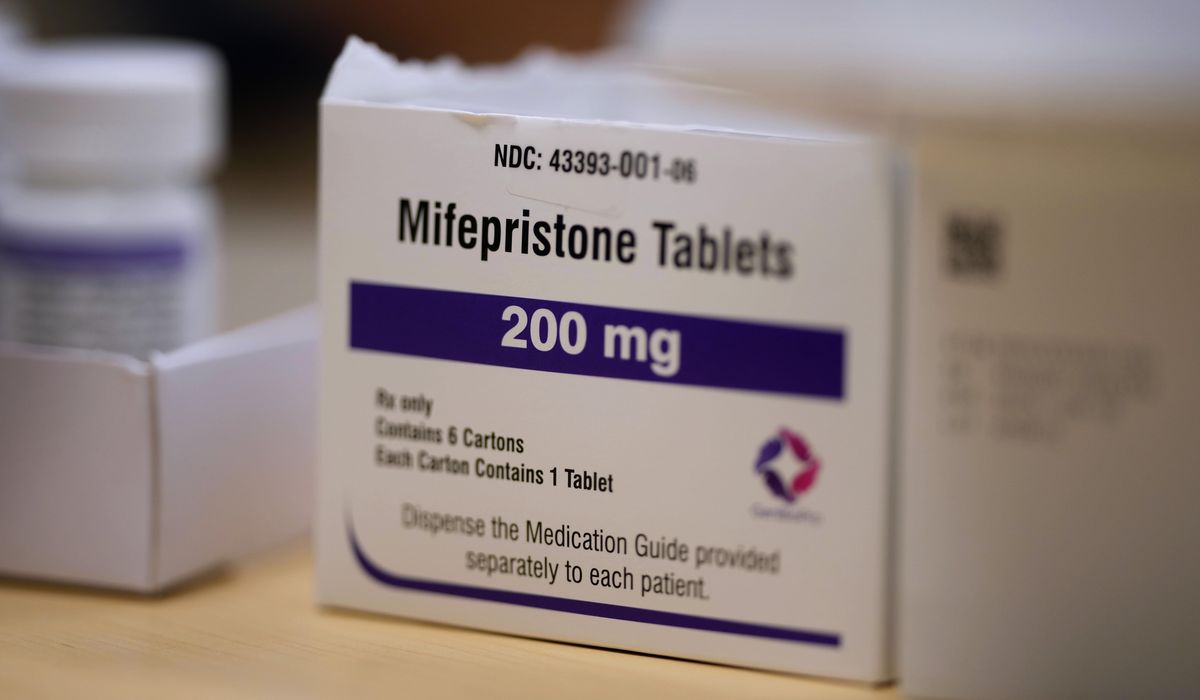
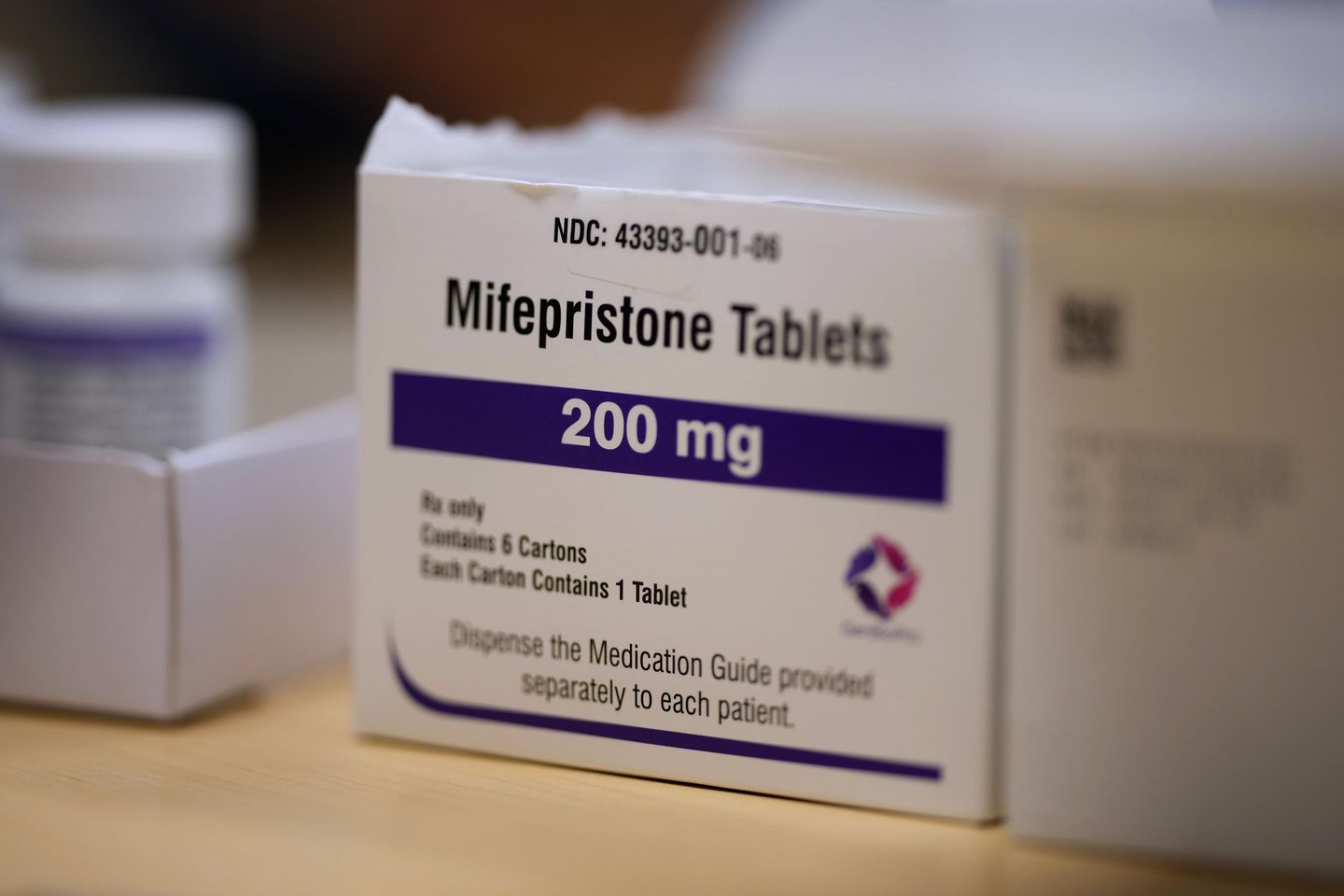
In 2000, the FDA approved the two-drug regimen of mifepristone and misoprostol to induce abortions up to 10 weeks’ gestation.
Aid Access, a major online abortion-pill provider, takes orders for abortion drugs after an online medical consultation and delivers them by mail to “anywhere in Georgia” in one to five days, according to its website.