The Caribbean is one of the most strategically important waterways in the world and serves as the U.S.’ third border, with both the benefits and security concerns that entails. When the Caribbean is left unsecured, drugs, guns, people, and foreign influence find pathways into our country. Strengthening the security of the Caribbean is therefore a core national security interest of the U.S.
According to the Drug Enforcement Administration (DEA) more than 12.1 metric tons of cocaine being trafficked from the Caribbean were seized in 2024. The DEA’s Caribbean Division describes these routes used by drug traffickers as “extremely vulnerable,” and this trafficking of drugs has contributed to the deaths of hundreds of thousands of Americans.
To the credit of the Trump administration, it has taken significant steps in confronting these threats. U.S. forces have conducted joint operations in the Caribbean, targeted drug vessels, seized illicit oil shipments tied to Venezuelan criminal networks, and conducted a historic night-time raid arresting Nicolas Maduro.
Investment in the capacity of our partners in the region is also important from the American perspective, as it helps friendly governments stop drugs at ports and in waterways long before they approach the coast of Florida, and because it contributes to the security of the region, lowering crime rates and making these countries safer for business and tourism.
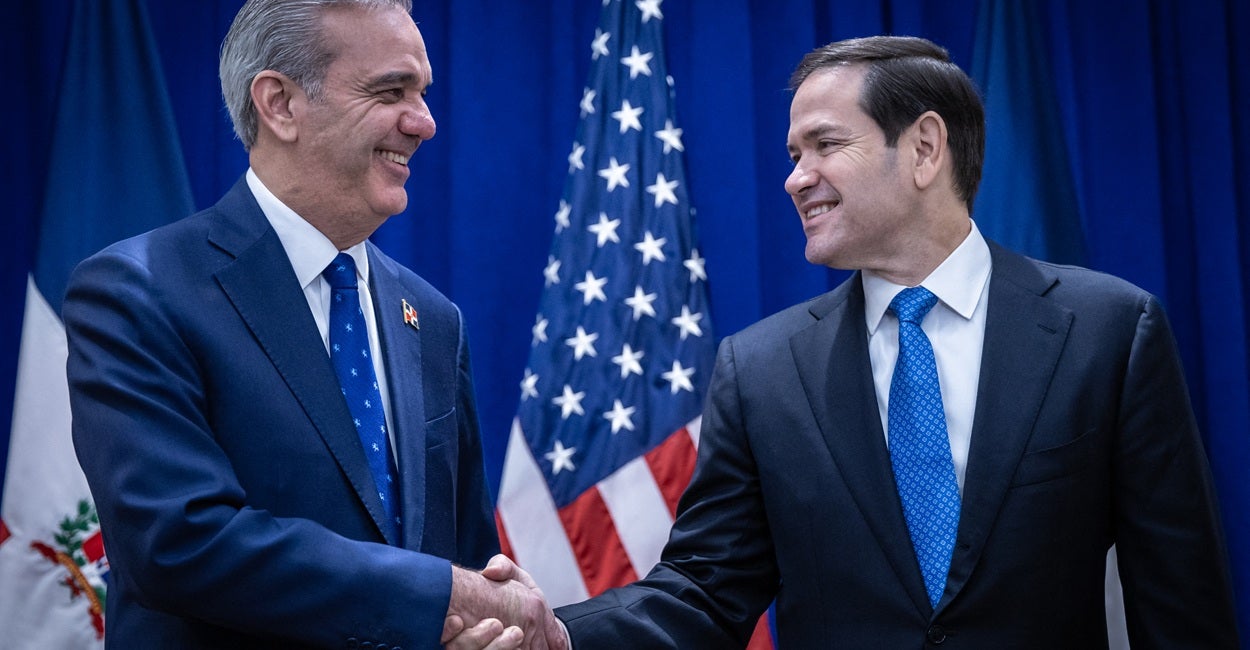
The Caribbean–United States Framework for Security Cooperation provides a standing venue to align on firearms trafficking, maritime security, cyber threats, and disaster response. It is reinforced annually by the Caribbean–U.S. Security Cooperation Dialogue, where ministers and senior officials review progress and set priorities for the year ahead.
In terms of funding, there is the Caribbean Basin Security Initiative (CBSI). The CBSI is the main vehicle used for training, limited equipment grants, intelligence sharing, and justice-sector support across 13 nations in the Caribbean. This initiative includes Antigua and Barbuda, the Bahamas, Barbados, Dominica, the Dominican Republic, Grenada, Guyana, Jamaica, Saint Lucia, Saint Kitts and Nevis, Saint Vincent and the Grenadines, Suriname, and Trinidad and Tobago.
One example of the kind of security infrastructure CBSI funding enables is the CARICOM Crime Gun Intelligence Unit, which strengthens regional capacity to track and disrupt illegal firearms trafficking that fuels violence in the nations of the Caribbean. This U.S.-funded and partnered initiative enhances the ability of Caribbean partners to identify weapon sources, map trafficking networks, and support law enforcement investigations.
Funding levels for CBSI, however, have not kept pace with the required weapons, training, logistics, or watercraft needed to effectively combat threats to the Caribbean. The newest authorizing legislation calls for $88 million per year in CBSI funding from fiscal year 2025 to fiscal year 2029.
The U.S. should increase CBSI funding. The current $88 million per year is a fraction of what is required to expand the needed maritime surveillance, modernize partner-nation coast guards, improve intelligence sharing, and increase the number of joint U.S.-Caribbean training exercises. Given the level of trafficking and strategic importance of the Caribbean to the U.S., this investment is rational.
At the same time, Caribbean nations must also step up their own commitment to the security of their nations and the Caribbean as a whole. True regional security is a shared burden among all nations involved.