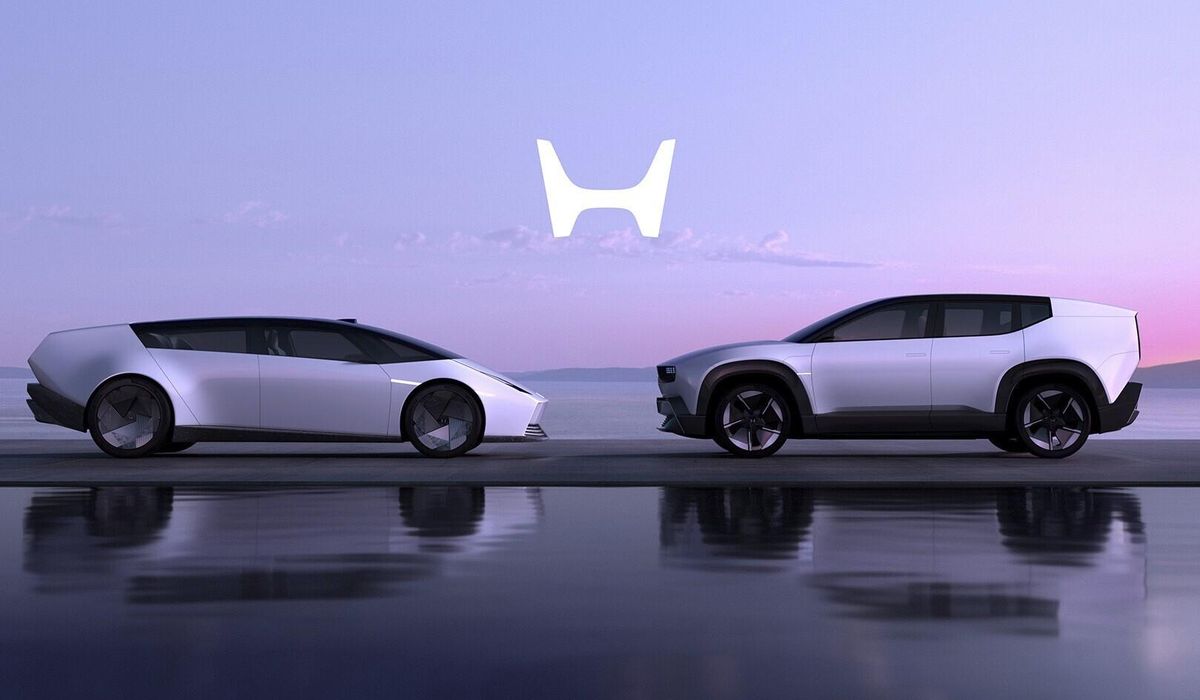
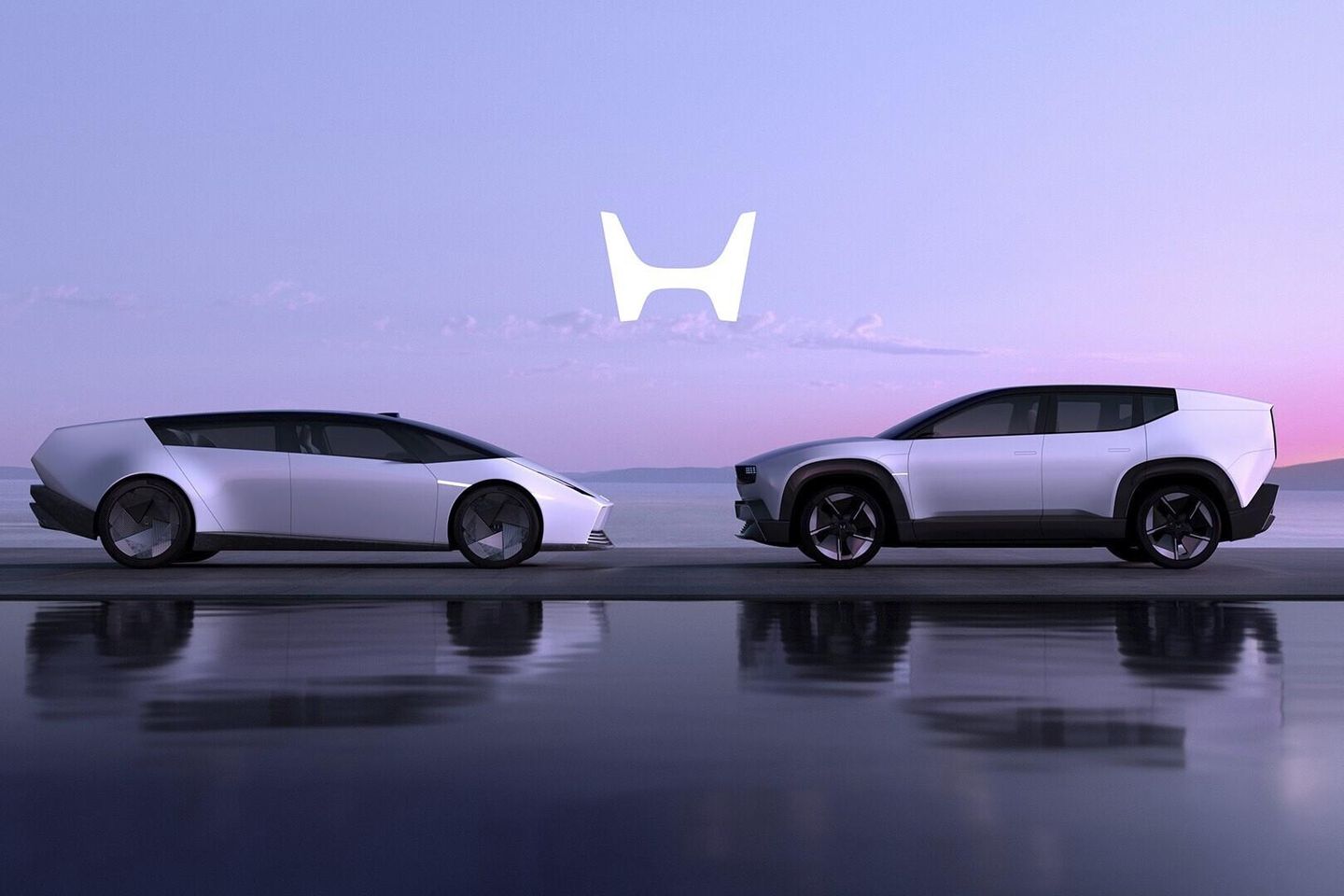
Honda said it is halting plans for three models of electric vehicles that would have been sold in North America, blaming tariffs, eased gasoline regulations and rolled-back incentives.
The models were the Honda 0 Saloon sedan, the Honda 0 SUV and the Acura RSX, a coupe SUV, the company said.
Honda said it had set a goal of reaching carbon neutrality by 2050 and committed to making more electric vehicles “based on its belief that EVs will be the optimal solution to realize carbon neutrality especially for small-size mobility products, including passenger cars.”
But President Trump’s tariffs worsened the business climate for the Japanese automaker, and it said its investment in EVs contributed to a decline in its market share in Asia.
In addition, Honda said, previous EV incentives and fossil fuel regulations in the U.S. have been rolled back, weakening the market for electric vehicles.
The Trump administration canceled a $7,500 tax credit in fall that had gone toward subsidizing the purchase and leasing of new electric vehicles.
Between the cancellation of the three planned electric vehicle models and write-offs Honda is making as the competition in China intensifies, the automaker expects to lose almost $15.7 billion this fiscal year.
Honda said it will focus more resources on its hybrid cars instead of wholly electric vehicles.
It is not the only automaker that has pulled back from its EV plans.
General Motors canceled plans for an electric Chevrolet commercial van, while Ford canceled a planned all-electric F-150 truck and Stellantis canceled plans for an electric Ram 1500 pickup.
The four automakers are writing down $70 billion in losses on investment in electric vehicles, according to Automotive News.