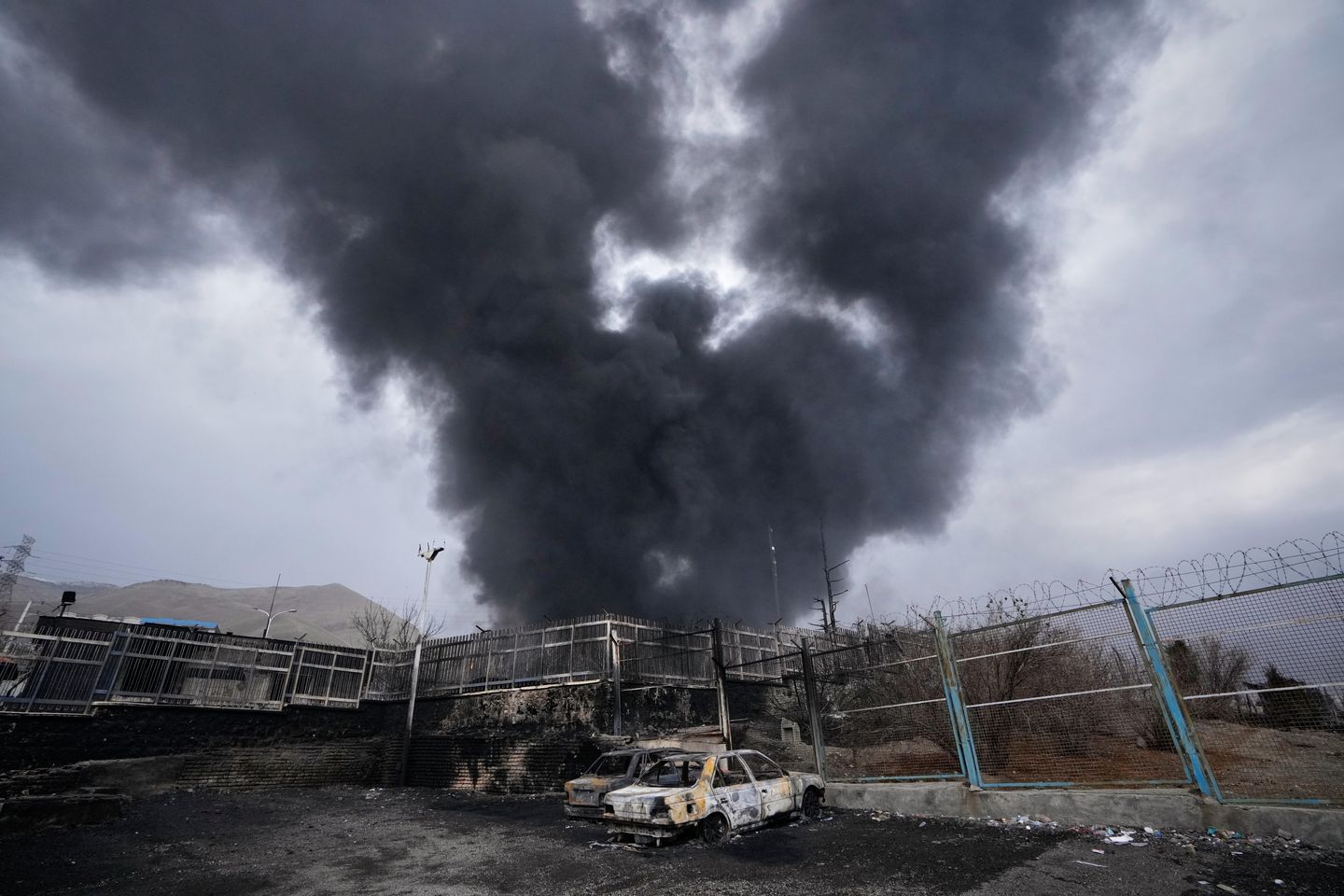
The Group of Seven said Monday it would tap strategic oil reserves, if necessary, after oil prices surged above $100 per barrel, heaping pressure on President Trump to address the economic fallout from his war with Iran.
French Finance Minister Roland Lescure said the G7, a bloc of major economies that includes the U.S., considered tapping emergency oil supplies, but “we’re not there yet.”
“What we’ve agreed upon is to use any necessary tools, if need be, to stabilize the market, including the potential release of necessary stockpiles,” Mr. Lescure told reporters in Brussels, Belgium.
Oil prices eventually dropped below $100 on Monday, though the brief surge was notable because prices had not exceeded the threshold since the Russian invasion of Ukraine in 2022. Also, rising gas prices threaten to become a political liability for Mr. Trump in a midterm election cycle dominated by affordability concerns.
Mr. Trump said surging fuel prices would be a short-term problem and a worthwhile sacrifice as the war in Iran causes supply concerns in energy markets.
“Short term oil prices, which will drop rapidly when the destruction of the Iran nuclear threat is over, is a very small price to pay for U.S.A., and World, Safety and Peace,” Mr. Trump posted on Truth Social, adding in all caps: “Only fools would think differently!”
SEE ALSO: Trump: High oil prices, surging to over $100 a barrel, are ‘small price to pay’ amid Iran war
Yet U.S. stocks had another stomach-churning day, with major indexes continuing the selloff that began last week.
Mr. Trump ordered joint U.S.-Israeli airstrikes against Iran on Feb. 28, saying Tehran did not agree to American demands during negotiations over the Islamic republic’s nuclear ambitions, missile programs and support for terrorist proxies in the Middle East.
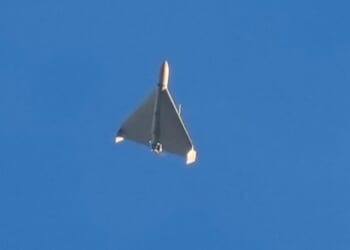
Iran retaliated with strikes on oil-rich Gulf states and clamped down on traffic in the Strait of Hormuz, a vital sea channel for oil tankers.
Roughly 20% of the world’s oil supply travels through the strait, so restrictions have wide consequences.
Senior Iranian clerics selected Mojtaba Khamenei as Iran’s new supreme leader on Monday. He is the second-eldest son of Ayatollah Ali Khamenei, who was killed in initial U.S.-Israeli strikes, and Mr. Trump had called him an “unacceptable” choice, raising fears the conflict would only deepen.
Qatari Energy Minister Saad al-Kaabi recently told the Financial Times that oil prices could surge to $150 per barrel if traffic does not flow through the strait.
Last week, the Trump administration unveiled a reinsurance program for ships that are worried about incurring losses in the Middle East. Mr. Trump also said the U.S. Navy might need to escort ships through the strait.
U.S. farmers, a key bloc of GOP political support, warned Mr. Trump on Monday that the war threatened to worsen their shaky financial prospects. For instance, some of the global supply of fertilizer flows through the Strait of Hormuz.
“The recent energy production halts in the Middle East will affect the price and availability of many downstream products farmers depend upon,” the American Farm Bureau said in a Monday letter to Mr. Trump. “These supply chain shocks are expected to drive already record-high input prices even higher at a time when farm margins are already extremely tight and many farmers are underwater.”
Democrats are trying to make the situation a political liability ahead of this year’s midterm elections.
“Working families are scraping the bottom of their bank accounts just to afford basic necessities, from gas to groceries to health care, and the economy is shedding jobs at record pace,” said Kendall Witmer, director of the Democratic National Committee Rapid Response. “But Trump is only focused on a deadly and costly war with Iran that Americans don’t support.”
Also Monday, congressional Democrats chastised the administration for easing sanctions on Russian oil. The move allowed Indian refiners to resume purchases.
“Your recent decision to provide a 30-day waiver is dangerous, self-defeating, and indefensible,” Democratic Sen. Ruben Gallego of Arizona and Rep. Sam Liccardo of California wrote to Treasury Secretary Scott Bessent.
The Democrats pointed to reports that Russia is providing Iran with intelligence on U.S. troop locations.
“This waiver,” the lawmakers wrote, “constitutes an inexplicable act of material benefit to the enemy.”