
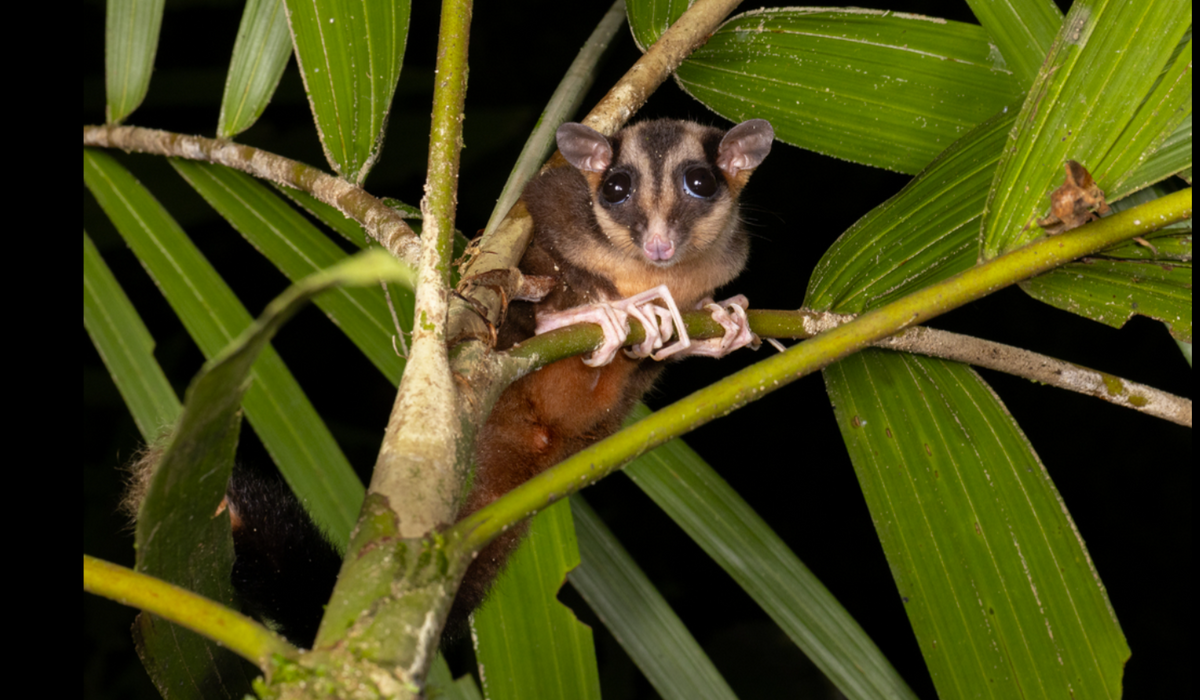
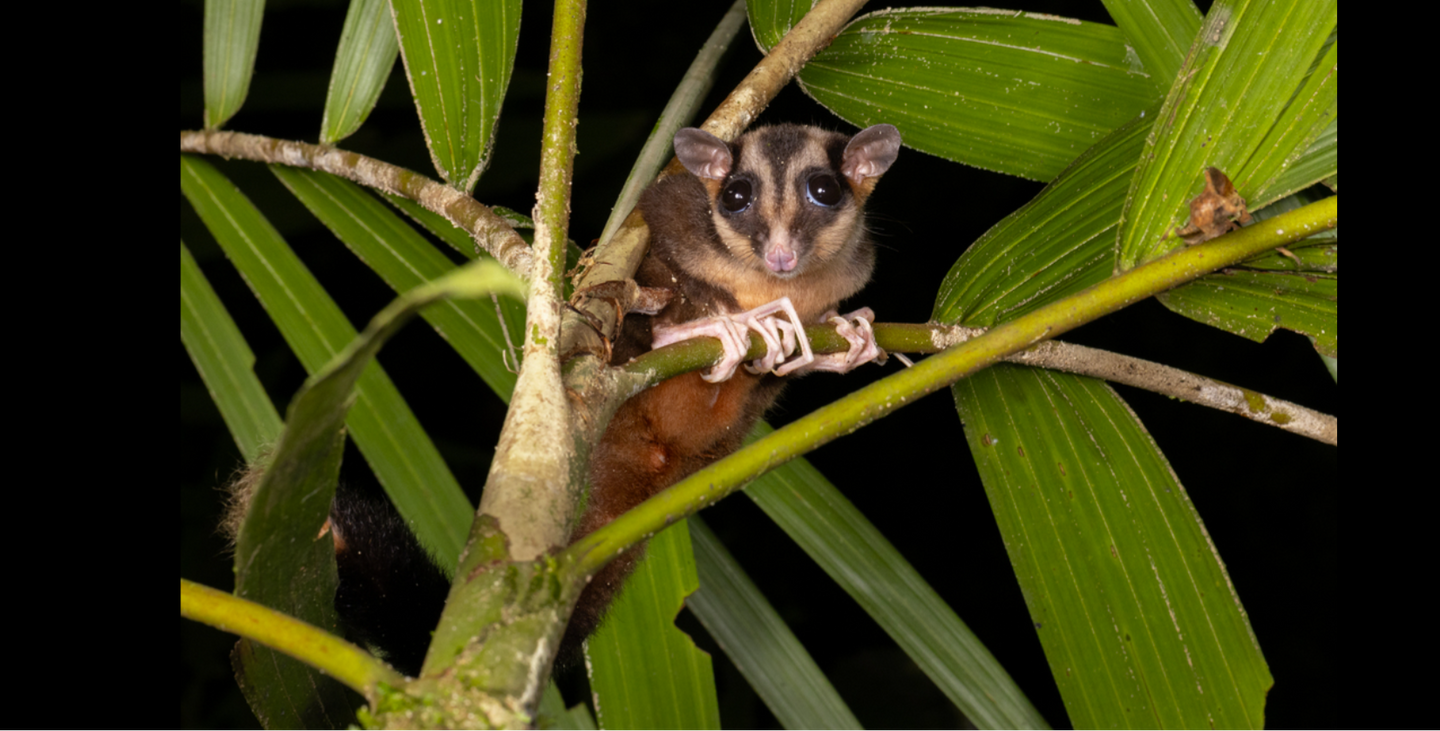
Two species of marsupials previously believed to be extinct were confirmed alive in the Indonesian half of New Guinea by researchers.
The two animals, the pygmy long-fingered possum and the ring-tailed glider, were previously only known via fossils dating back over 7,000 years, Hawaii’s Bishop Museum said in a release Thursday.
Researchers from Hawaii and Australia worked with locals from the Indonesian province of West Papua, which makes up the western portion of the island of New Guinea, to confirm that the ring-tailed glider still lived in the wild.
“Though it was known as a fossil species prior to this, scientists were not sure from the fragmentary remains whether it could glide or not. New Guinea communities knew this already, of course. Now, we know too. And it’s a gorgeous glider,” said Bishop Museum CEO Kristofer Helgen.
They then partnered with a “citizen scientist” online whose photos helped confirm the continued existence of the pygmy long-fingered possum.
The two confirmations make both animals “Lazarus species,” a term that refers to organisms that reappear alive in the wild after previously disappearing at a certain point from the fossil record and are believed to be extinct.
Another example is the coelacanth fish, which people once thought went extinct after the age of the dinosaurs.
The pygmy long-fingered possum used to live in Australia during the Ice Age, while the ring-tailed glider is the closest living relative of the Australian Greater Glider.
“The discovery of one Lazarus taxon, even if thought to have become extinct recently, is an exceptional discovery. But the discovery of two species, thought to have been extinct for thousands of years, is remarkable,” said the Australian Museum’s Tim Flannery, who also participated in the research, in a release from the institution.