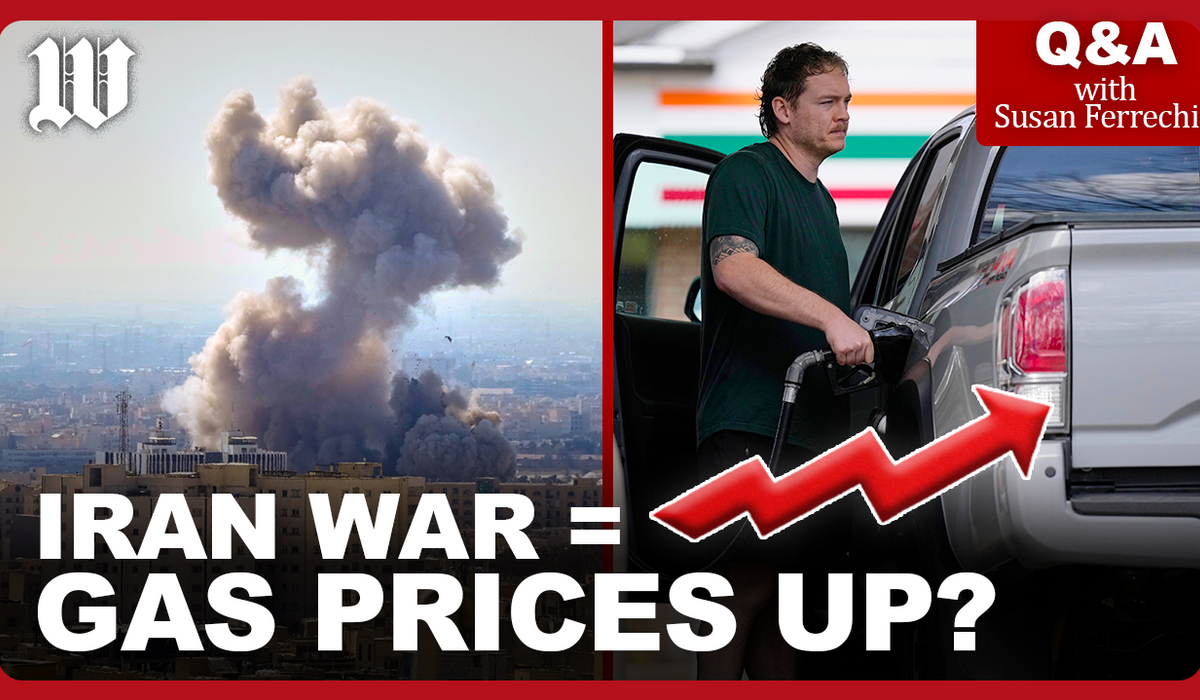
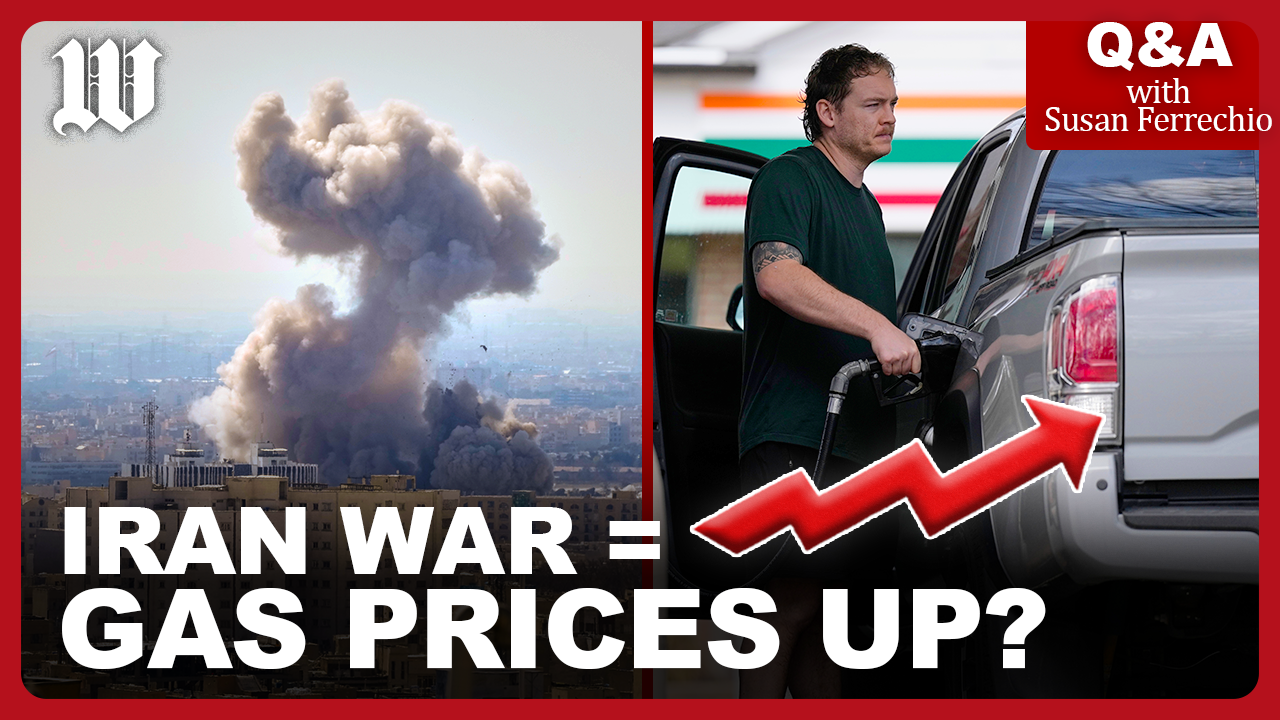
Just last week, President Trump stood before Congress and celebrated gasoline prices as low as $1.85 per gallon. But that victory lap is hitting a massive geopolitical wall.
With the U.S. and Iran now locked in a widening conflict, crude oil prices are seeing the biggest jump in years.
U.S. consumers are largely shielded from gasoline shortages at home, but the global market is Is reacting fast, and the pain at the pump is about to get very real for American drivers.
I’m Susan Ferrechio, senior politics reporter for the Washington Times, and in this video, we’re breaking down how war with Iran is threatening to roll back one of the administration’s biggest economic wins just as we head into the midterm elections.
How fast will the recent crude oil price jump translate to U.S. gas?
The price of crude oil climbed this week to $77 a barrel, which is expected to raise gasoline prices in the United States 7% or more in the coming days. Oil market analysts think it could go much higher if the war drags on beyond a week, threatening to impose long-term disruptions to oil processing and shipping in the Middle East. Some analysts say the price of oil could jump to $120 a barrel.
Why did the Iranian strikes in the Strait of Hormuz trigger a market reaction?
The Strait of Hormuz is located adjacent to Iran. It provides the only sea passage from the Persian Gulf to the open ocean, making it a crucial choke point for the oil trade. Iranians announced the closure of the Strait after the United States and Israel began their bombing campaign. But Iran doesn’t control the waterway. It has struck at least five ships with missiles and drones.
How are oil producers responding to the Middle East fighting?
Nearly 20% of the world’s crude oil is shipped through the Strait, and vessels that use the waterway are expected to pay skyrocketing premiums to ensure their ships and cargo in the future. On Monday, insurance companies announced they were halting war-risk coverage in the Persian Gulf. Iranian drone strikes on ports and refining, among them Saudi Arabia’s Ras Tanura Refinery, which is the world’s largest oil-producing facility, also drove oil prices higher.
What happens to global oil production if the conflict lasts longer than 25 days?
A lengthy closure of the Strait of Hormuz means storage facilities in the oil producing countries will remain full and they’ll have to stop producing oil and then they’ll have to shut down their equipment. This could further disrupt oil production for the long term.
Why are American consumers vulnerable to global price spikes?
Since the U.S. relies on domestic and Canadian oil, why are American consumers still vulnerable to those global price spikes? U.S. consumers are subjected to the global oil market and specifically the price of international crude, which is rising the fastest. Local and regional gasoline prices in the U.S. are influenced by crude prices because crude oil prices are influenced by global events, and that impacts the price at our gasoline pumps.
How does this conflict threaten the recent gas prices highlighted by President Trump?
How does this conflict threaten the $1.85 per gallon lows that President Trump highlighted in the State of the Union address? Our prolonged war in the Middle East means oil production and shipping could be jeopardized for weeks. The President said Monday that the U.S. is attaining objectives in Iran ahead of schedule, but he also said the conflict could go on for four or five weeks or more. With the midterm elections around the corner, President Trump wants to make sure he’s addressing high energy prices. Treasury Secretary Scott Bessent and Energy Secretary Chris Wright will roll out mitigation plans beginning Tuesday that will address rising gasoline prices, according to Secretary of State Marco Rubio.
Read more: Prolonged Middle East fight threatens Trump’s lower gas prices
Read more from Susan Ferrechio