There were no clear explanations that described Hunter S. Thompson’s life. Resistance to his complete story didn’t stop when his life ended.
Thompson’s death in 2005 inside his home in Woody Creek, Colo., was ruled a suicide. Almost immediately after the announcement, when admirers, critics, and longtime readers questioned whether the conclusion fit the 67-year-old-man they thought they knew. Speculation lingered for years, fueled less by evidence and more by his reputation.
The result of a recent independent review confirmed the original determination: Thompson died by suicide, alone, from a self-inflicted gunshot wound.
The review by the Colorado Bureau of Investigation was announced in September after Thompson’s wife, Anita Thompson, contacted authorities with “new concerns and potential information regarding the investigation” into Thompson’s death, the agency said in a news release.
In a statement included in the announcement, she thanked the bureau for its “kind and thorough work.”
“This allows all of us who loved Hunter to move forward with a clean conscience,” she said.
A Life That Defied Neat Endings
Thompson served in the United States Air Force before carving out a career that rewrote expectations for journalism, where he rejected distance and authority, choosing to immerse himself fully in topics and rely on confrontation.
His success wasn’t cheap; he endured years of chronic pain, physical decline, and repeated surgeries that limited his mobility, transforming daily routines into burdens. Friends described a man still sharp and engaged, but increasingly frustrated by new limitations he couldn’t outrun.
Later, Anita Thompson explained that her husband feared prolonged physical deterioration more than death, a fear that shaped private conversations long before that final day arrived.
Why Doubt Refused to Fade
Skepticism behind the suicide ruling didn’t grow from conflicting evidence; it grew from mythology. Thompson cultivated a public persona rooted in excess, rebellion, and defiance, while many struggled to separate the man from the persona.
Some people felt suicide was too ordinary, and others searched for enemies, hidden or unseen motives. The theories increased because feelings of uncertainty felt more comfortable than acceptance.
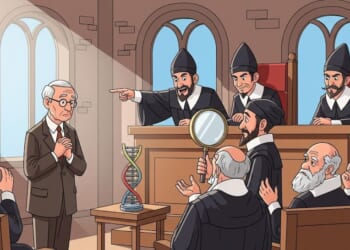
Conclusions weren’t made by a single office or detective; law enforcement officers, medical examiners, and forensic reviewers reached consistent conclusions across many examinations. No evidence suggested that someone else was there, no signs of struggle appeared, and the recent review confirmed earlier findings without qualification.
While facts settled the case, sentiment kept reopening it.
The Weight of a Public Legend
Americans freezes its icons in their most exciting moments. As a result, Thompson became a symbol of freedom, irreverence, and refusal. Watching that icon confront age and pain made people uncomfortable because they preferred the outlaw untouched by time.
In so many ways, suicides aren’t clean, it invites moral debate, blame, and retroactive storytelling. In Thompson’s case, there was a strong impulse to dramatize and overshadow something simpler: he lived deliberately, making choices with clarity, while others disagreed with them.
This last review didn’t diminish Thompson’s legacy; it clarified his final chapter when extraordinary lives still come to a close under human pressure. Pain erodes patience, and control deeply matters to people who’ve spent a lifetime asserting it.
Final Thoughts
On paper, Hunter S. Thompson remains larger than life, while his death became controversial because his life trained people around him to expect spectacle.
The truth, however, proved quieter, not because it didn’t lack weight, but because reality rarely performs for audiences.
Stories like Hunter S. Thompson’s remind people why facts still matter in a culture addicted to speculation. PJ Media VIP exists to separate myth from reality, without shouting, and without flinching. Join today to support independent analysis that respects evidence, history, and hard truths.