UnitedHealth denied a Washington state patient coverage for a hospitalization after a stroke, deeming it medically unnecessary.
A California family fought for five years to appeal United’s denial of coverage for treatment related to their three-year-old’s diagnosis of a rare bladder tumor and had to declare bankruptcy due to medical debt.
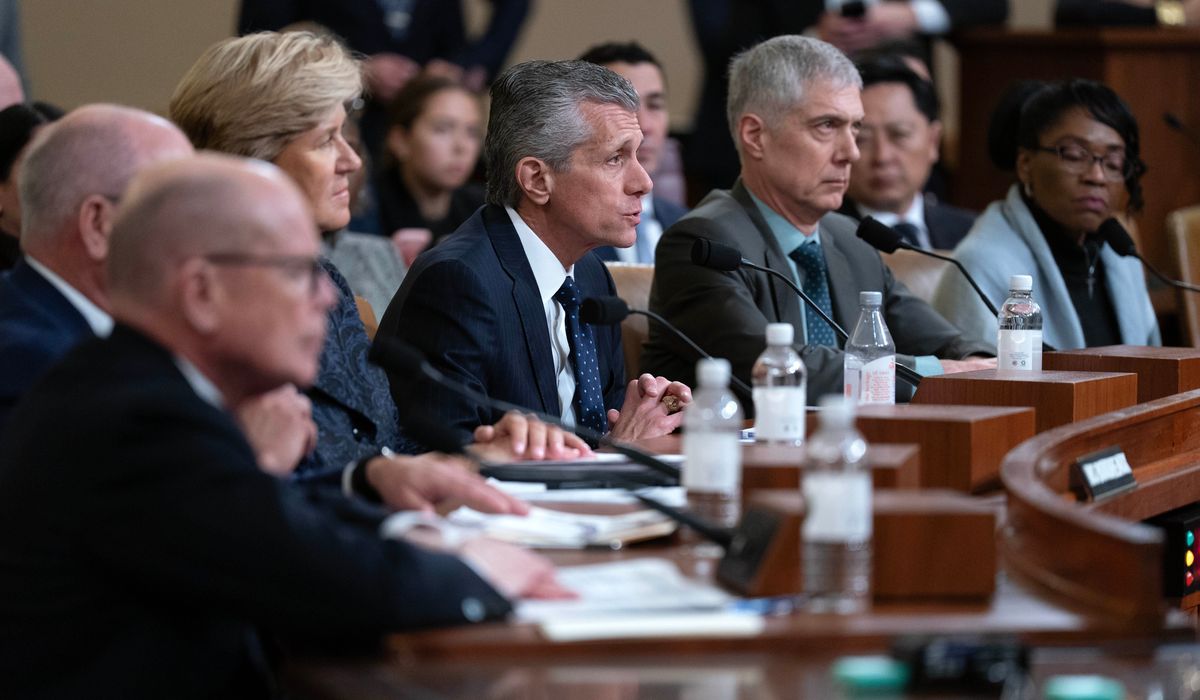
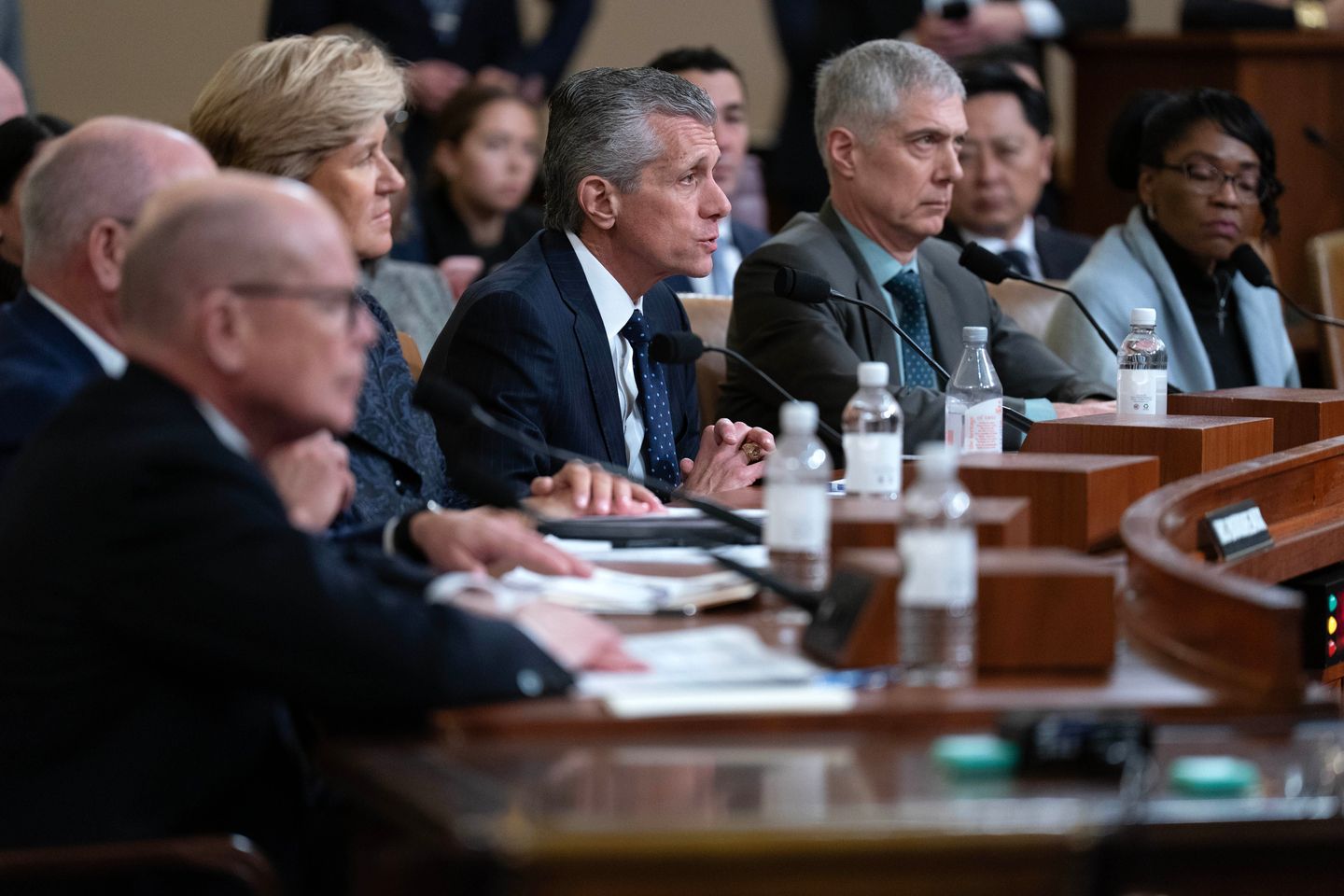
Those are just two of the stories House lawmakers used to press five health insurance CEOs about how their business practices put profits ahead of patients in back-to-back hearings on Thursday.
“This is why so many people hate their insurance companies,” Rep. Kim Schrier, Washington Democrat, said after telling the story of her constituent, the aforementioned stroke patient. “They pay a lot of money, they expect peace of mind, and then the insurance company leaves them high and dry.”
UnitedHealth Group CEO Stephen Hemsley, who fielded the most questions about denied claims, could not defend his company’s decisions. He said he was not familiar with the specifics of those cases but would work with lawmakers to get to the bottom of it.
“At the end of the day, 99% of all the care is covered,” he said.
Mr. Hemsley took over as the head of the company a few months after the December 2024 murder of Brian Thompson, the head of United’s insurance arm.
The accused killer, Luigi Mangione, is still awaiting trial, but prosecutors have diary entries that detail his plans to target the health insurance industry over his frustrations about corporate greed.
Mr. Hemsley said Mr. Thompson was “a force for good” who worked in “creative and effective” ways to address challenges surrounding health care costs.
U.S. health care costs grow faster than inflation, exceeding other large, wealthy nations in per capita health spending, according to KFF, a health policy research non-profit.
Premiums have skyrocketed roughly 90% on average since Obamacare launched in March 2010.
That year, the average annual premium was $5,066 for individual coverage and $13,890 for family coverage. Those numbers hit $9,325 and $26,993 for single and family coverage, respectively, in 2025.
Mr. Hensley and the other CEOs said they have had to increase premium prices because of rising costs charged by drug companies, hospitals and other health care providers.
Four other CEOs testified: David Cordani of Cigna, Gail Boudreaux of Elevance Health, David Joyner of CVS Health, which acquired health insurer Aetna in 2018, and Paul Markovich of Ascendiun, a nonprofit under parent organization Blue Shield of California.
The House Energy and Commerce Health Subcommittee and the House Ways and Means Committee hosted the hearings.
In the latter, Rep. Linda Sanchez noted her own personal story of a denied claim for in-home physical therapy after she had knee replacement surgery last year.
“I’m a member of Congress, and was on the phone battling with my own insurance company,” the California Democrat said. She did not name the company but said she purchases her insurance on the D.C. public health exchange, as lawmakers are required to do under Obamacare.
The personal stories about denied claims offered a few poignant moments through hours of debate about the root causes of rising health care costs and the policies that can be used to lower them.
There was broad bipartisan agreement that marketplace consolidation and vertical integration are one of the biggest problems.
“If I had my way, I’d turn all of you guys into dust, we’d start back from scratch,” said Rep. Greg Murphy, North Carolina Republican. “We’d have competition in the industry. We’d have associated health plans, and we would have nonprofit hospitals, rather than profit being put over patients.”
Rep. Alexandria Ocasio-Cortez, New York Democrat, used CVS Health as an example of the problem. She said the company owns health insurer Aetna, Oak Street Health medical clinics, CVS Pharmacies and CVS Caremark, the pharmacy benefit manager that helps negotiate rebates and prescription prices.
“Whether you’re a blue-blooded capitalist or a card-carrying Democratic socialist, I think corporate monopolies are a problem, and this vertical integration is destroying people’s ability to access care,” she said, urging lawmakers to band together to break up the industry.
Mr. Joyner said CVS’ goal is not market concentration and argued the integrated model they’ve built “works really well for the consumer.”
He said CVS would support policy changes to increase transparency, competition and innovation, particularly among hospitals and in the pharmaceutical supply chain.
Lawmakers also found bipartisan common ground in attacking the health insurers for their excessive compensation.
“Three of the largest health insurance empires rake in nearly $1 trillion in annual revenue, pocketing tens of billions of dollars in profit,” Ways and Means Chairman Jason Smith, Missouri Republican, said. “For this, their executives are rewarded with tens of millions in bonuses.”
Rep. Nanette Barragan said Mr. Hensley received a one-time equity award of $60 million.
“That is what’s wrong in this system,” she said.
• Mary McCue Bell contributed to this report.