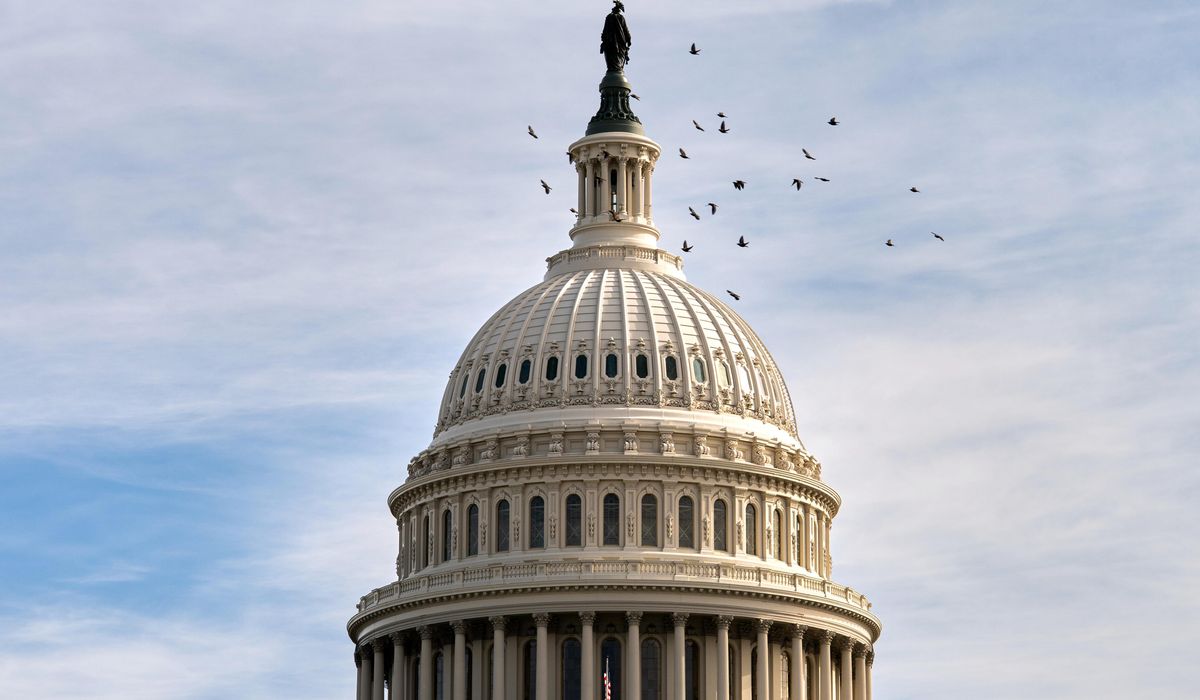
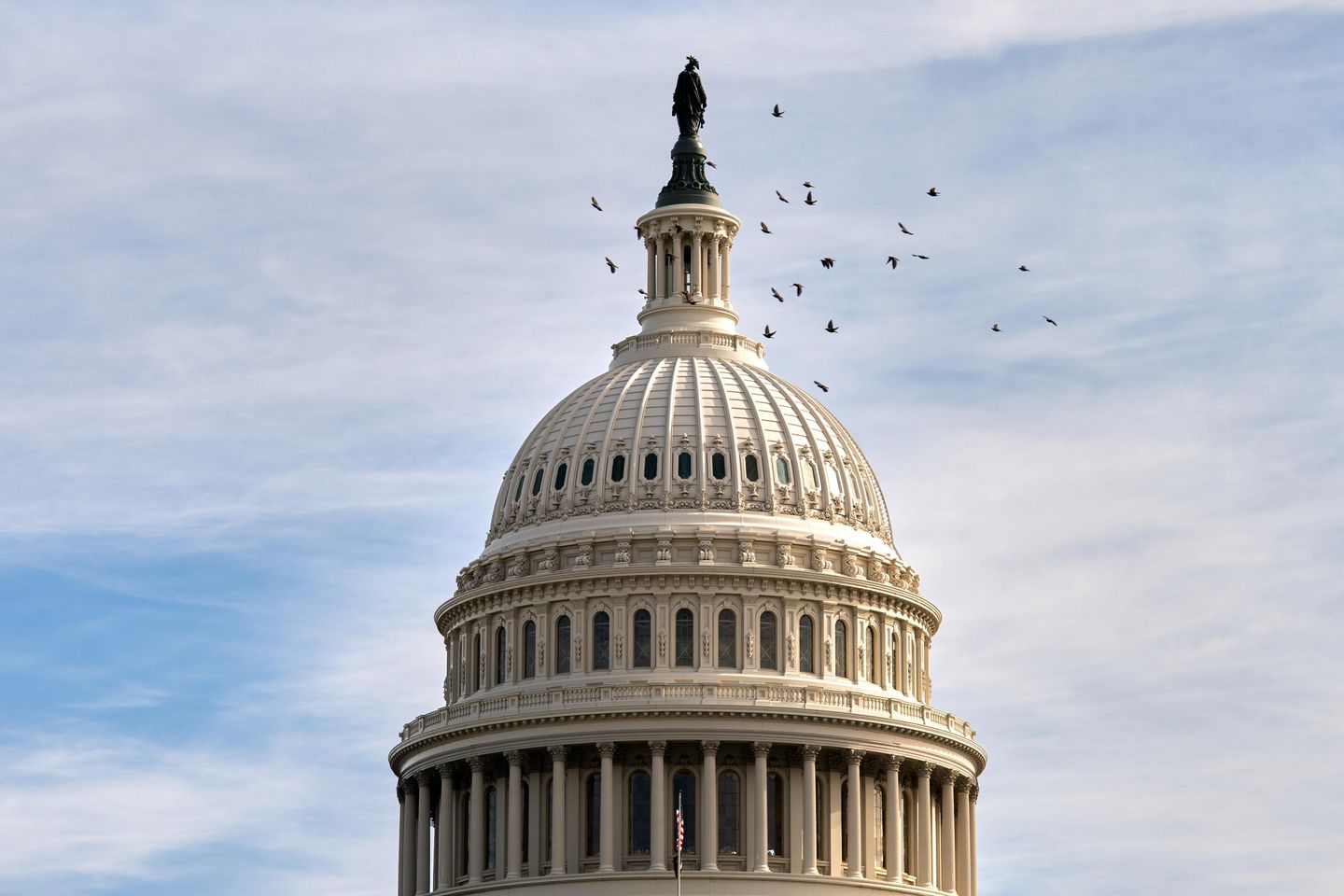
Congress is on track to pass full-year funding for at least 11 of the 12 annual spending bills nearly a third of the way into the fiscal year.
That may not sound like a great feat. But after a record 43-day shutdown to start the fiscal year and running the entire government on stopgap funding the previous fiscal year, lawmakers are celebrating it as a success.
“If you’d asked me at the beginning of the second Trump term, if you’d asked me three or four months ago and you’d suggested that we would come this far, I would have replied you’ve been micro-dosing,” Sen. John Kennedy, Louisiana Republican, told The Washington Times.
The fiscal 2026 spending bills are the first during President Trump’s second term to significantly adjust spending levels and policies from those set during the Biden administration.
“Our goal is to get all of these bills signed into law: No continuing resolutions that lock in previous priorities and don’t reflect today’s realities,” Senate Appropriations Chair Susan Collins, Maine Republican, said, referring to the formal name for stopgap spending measures.
Democrats had resisted Republicans’ efforts to cut spending after the GOP won control of Congress and the White House in the 2024 elections. They also worried that any bipartisan deal they cut would be useless as the Trump administration began overriding congressional spending directives.
Added political pressures led to Democratic bickering over how to use their leverage in government funding negotiations.
Last March, Senate Minority Leader Charles E. Schumer and others in the Democratic caucus acquiesced and backed a stopgap measure that extended fiscal 2024 spending levels and policies through fiscal 2025 with some Republican-favored adjustments.
At the start of fiscal 2026 on Oct. 1, Democrats forced a government shutdown in an effort to secure an extension of their COVID-era expansion of Obamacare premium subsidies.
They were unsuccessful, but the deal to end the shutdown included three full-year appropriations bills funding the legislative branch and the departments of Agriculture and Veterans Affairs.
Congress gave itself until Jan. 30 to pass the remaining nine. It cleared three more this month funding the Environmental Protection Agency and the departments of Commerce, Energy, the Interior and Justice.
The House has passed two additional spending bills funding the departments of Treasury and State, foreign aid programs, financial services agencies, the White House and the District of Columbia.
The Senate will take those up the week of Jan. 26, along with three or four additional bills the House is hoping to pass this week.
Democrats secured guardrails in each of the spending bills they hope will prevent the Trump administration from cutting or canceling congressionally approved funding.
“Congress has a choice to do our most fundamental job which is writing and passing these funding bills or hand the pen over to Donald Trump and [Office of Management and Budget Director] Russ Vought,” said Sen. Patty Murray of Washington, the top Democrat on the Senate Appropriations Committee. “I’m here to do my job.”
Mr. Kennedy said Democrats “finally came to the realization that this is the best they’re going to get.”
Democrats say lawmakers in both parties were incentivized to reassert Congress’ authority over spending as the Trump administration made unprecedented moves to attack funding for bipartisan priorities, such as health research and education.
“The president knows nothing about appropriations, but he’s got someone at OMB who does and whose goal is to accumulate the power of the purse for the executive and to be the person that implements it,” said Rep. Rosa DeLauro of Connecticut, the top Democrat on the House Appropriations Committee.
Mr. Vought “has said that the appropriations should be less bipartisan, so we know where he’s coming from,” Ms. DeLauro said. “And I think that is beginning to sink in with people.”
The eight bills finalized to date total $438 billion, roughly a quarter of the $1.6 trillion annual discretionary budget.
On net, Congress has cut about $5 billion from the previous fiscal year, as it reduced funding in areas such as foreign aid and increased spending on bipartisan priorities such as veterans’ programs.
The negotiations have reminded House Appropriations Committee Chairman Tom Cole how Congress once functioned in a distant past.
“You’re never in the stands watching it because it’s so boring,” the Oklahoma Republican told reporters of the friendly debate on the spending bills. “There’s nothing going on down there. That’s perfect. That’s the way Congress should work.”
Lawmakers are confident they will have a deal on three of the remaining bills funding the departments of Defense, Labor, Health and Human Services, Education, Transportation and Housing and Urban Development.
They have been less certain about reaching an agreement on the Department of Homeland Security spending bill.
“This is obviously always the hardest budget, and Trump has made it a lot harder to land a deal given how lawless his agency is right now,” said Sen. Chris Murphy of Connecticut, the Senate Democrats’ lead negotiator on the DHS appropriations bill.
Democrats are specifically directing their ire toward U.S. Immigration and Customs Enforcement after the agency’s fatal shooting of a protester in Minneapolis. They want to freeze funding for ICE and put some constraints on agents who are policing the streets.
Ms. DeLauro said both parties have traded proposals such as requiring ICE agents to wear body cameras and remain unmasked but that a deal was not guaranteed.
“That is really very tough sledding,” she said.