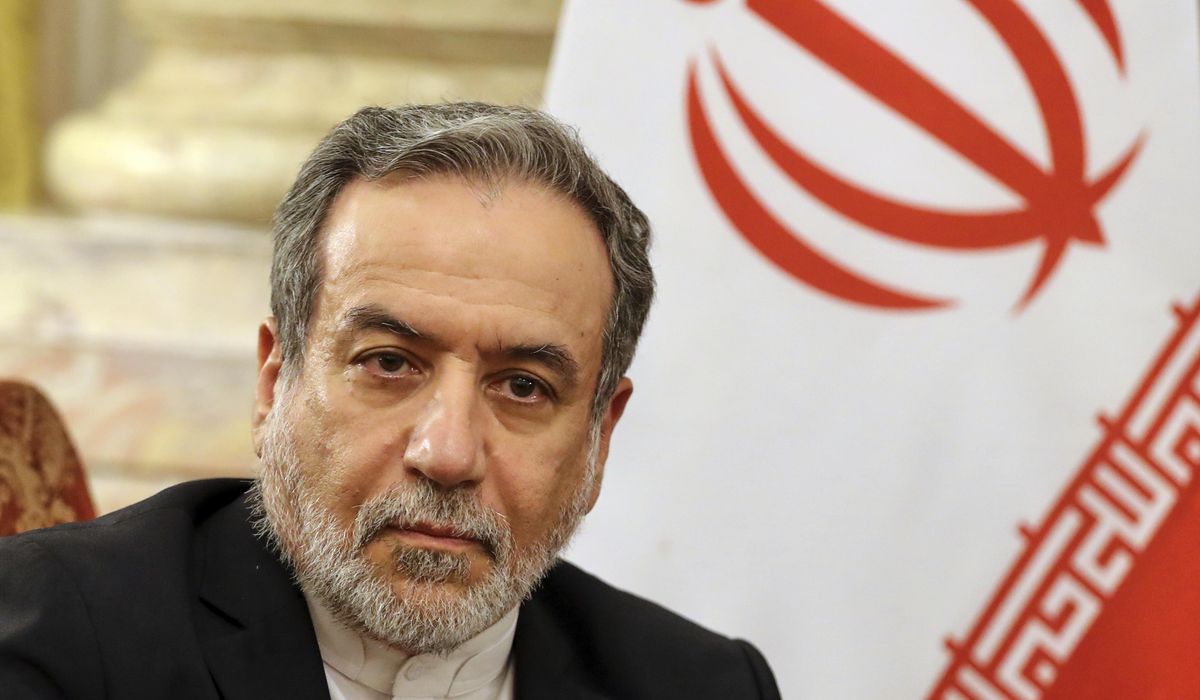
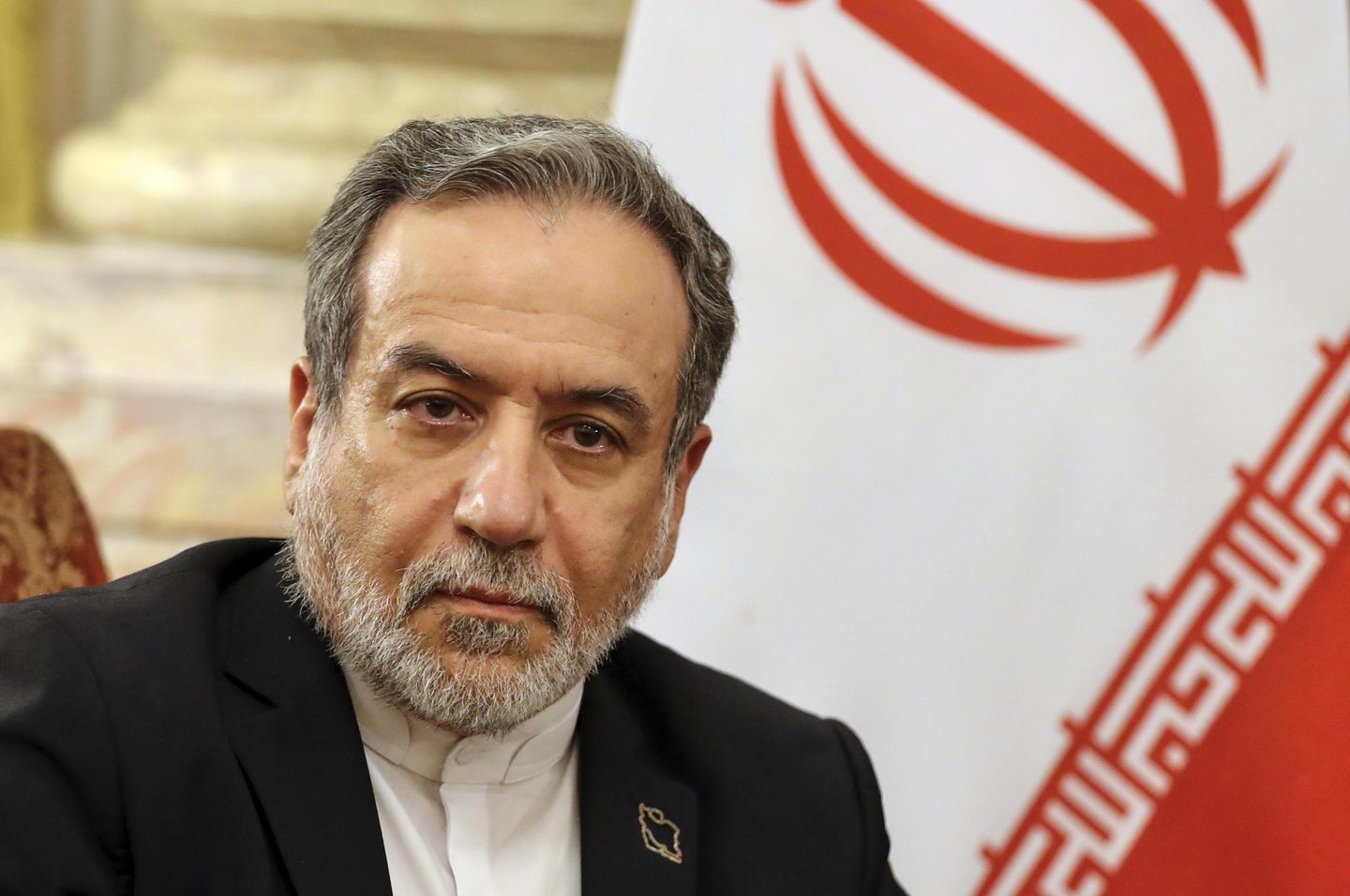
Iran’s top diplomat declared Monday that his country isn’t looking for conflict but is “prepared for war,” as President Trump is suggesting U.S. military strikes to stop the Islamic republic from killing protesters.
Iranian Foreign Minister Abbas Araghchi, speaking at an ambassador conference in Tehran, said his country is “even more prepared than the previous war,” referring to Iran’s 12-day war against Israel in June, which severely damaged the Islamic republic’s defense and nuclear infrastructure.
However, he said, Iran is also open to negotiations with the U.S. and is hoping for a peaceful solution to ongoing tensions.
“We are also ready for negotiations, but negotiations that are fair, with equal rights and mutual respect,” Mr. Araghchi said.
In addition, Iranian Foreign Ministry spokesperson Esmail Baghaei said Monday that Tehran had never left the negotiating table but that it would not engage in “one-sided negotiations.”
Mr. Baghaei added that communication channels between Mr. Araghchi and White House Special Envoy Steve Witkoff are still open.
SEE ALSO: Trump reportedly given options for Iran military strike as more than 500 Iranian protesters killed
The comments follow more suggestions from Mr. Trump on Sunday that the U.S. is considering military operations inside Iran to stop authorities from using deadly force on protesters.
Speaking to reporters aboard Air Force One, the president confirmed that he had been briefed on the protests in Iran and was considering options for response.
“We are looking at it very seriously, the military is looking at it, and we’re looking at some very strong options,” Mr. Trump told reporters. “I’m getting an hourly report, and we’re going to make a determination.”
Mr. Trump also implied that Iran could have crossed a “red line” in its treatment of protesters.
“There seems to be some people killed who weren’t supposed to be killed,” the president said Sunday.
Mr. Trump added that he had spoken to an Iranian official wanting to start negotiations, but he did not confirm which official had called him.
Iran’s protests began late last year as small-scale demonstrations by business owners in Tehran. They have expanded into nationwide demonstrations against the government and pose the biggest challenge the Islamic republic has faced since the June war.
The protests have spread to all of Iran’s 31 provinces and have been met with extreme violence by Tehran. Analysts from the Washington-based Iran watchdog group Human Rights Activists in Iran report that at least 500 people have been killed since the start of the protests and more than 10,000 people have been arrested.