A number of groups have found themselves the target of President Donald Trump’s ire — and his supporters’ ire, as well — over the years.
Democrats, far-leftists, globalists, and the establishment media all immediately come to mind, but a new class of people has seemingly skyrocketed up that list during Trump’s second term: federal judges, particularly ones appointed by Democrats.
Health and Human Services Secretary Robert F. Kennedy Jr., an architect of the “Make America Healthy Again” movement, is the latest person in Trump’s orbit to feel the squeeze of an intrusive federal judge.
Back in March, Kennedy spoke in Martinsburg, West Virginia, alongside Republican Gov. Patrick Morrisey.
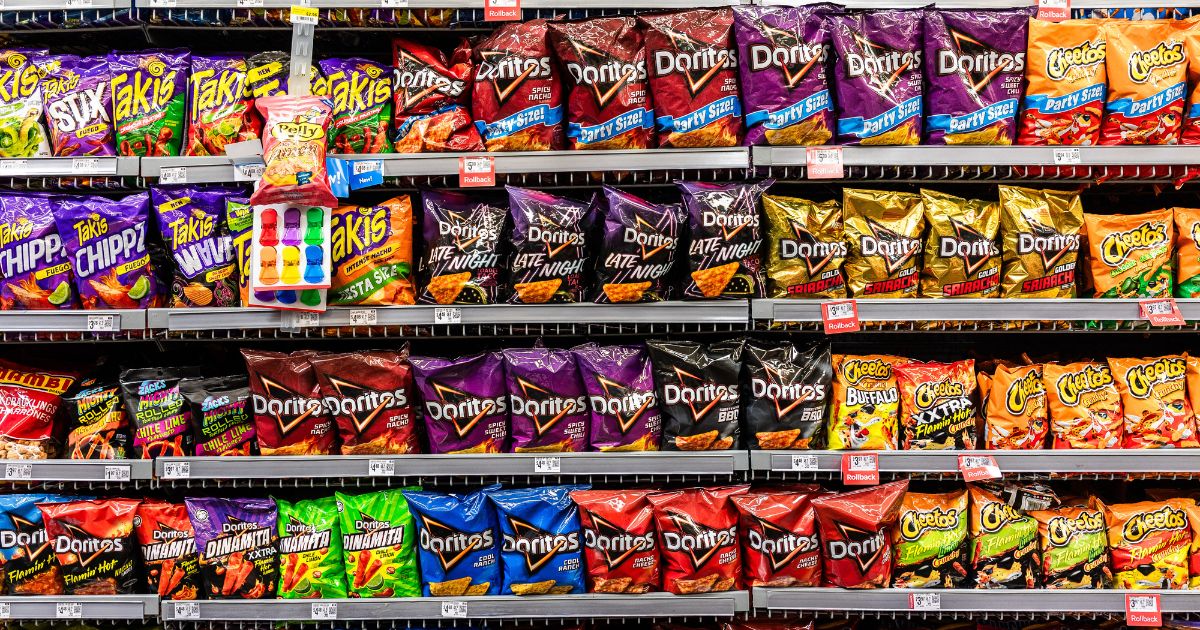
Of the many topics mentioned by Kennedy and Morrisey, one of the big ones (and one that’s been a big national promise, as well) was tackling the issue of food dyes and additives being out-of-control.
Fast forward about nine months, and the plan to get rid of unnecessary dyes and additives in West Virginia appears to have hit a roadblock thanks to a judge appointed by former President Barack Obama.
According to Fox News, Judge Irene Berger of the Southern District of West Virginia blocked those plans to remove dyes, instead siding with a conglomerate of food dye manufacturers.
Berger would ultimately issue a preliminary injunction halting West Virginia’s ability to enforce the anti-dye policies.
The judge’s ruling blocks enforcement of the Republican-drafted House Bill 2354, a law which bans food and pharmaceuticals that have been “adulterated” with artificial compounds like butylated hydroxyanisole, Red 3, Red 40, Yellow 5, Yellow 6, Blue 1, Blue 2, and Green 3.
This case was ultimately brought in front of Berger by the lobbying powerhouse International Association of Color Manufacturers.
The entity claimed the ruling would cause economic harm to its members.
The K Street group also claimed in its lawsuit announcement that “the West Virginia law usurps the power of the U.S. Food and Drug Administration (FDA) to make food safety decisions,” and that it “interferes with interstate commerce,” which would make it a federal concern.
“To protect ingredient manufacturers and food companies, we are asking the U.S. District Court to immediately strike down West Virginia’s flawed ban,” IACM lawyers argued. “The statute arbitrarily and irrationally targets color additives no U.S. agency — state or federal — nor any court has ever found to be unsafe.”
“IACM strongly supports the continued safe use of all FDA-approved color additives, including FD&C colors, which are among the most thoroughly studied and strictly regulated ingredients in food,” the statement added.
“West Virginia’s ban isn’t supported by scientific evidence.”
The IACM counsel added, “Simply stated, bans on FDA-approved food ingredients will make it harder for businesses to operate in West Virginia and other states, as well as increase the cost of food for consumers at a time when grocery prices are already too high.”
According to Fox News, while Berger ruled in favor of the IACM, she disagreed with the IACM claim that the statute was an unlawful bill of attainder, or a law that specifically singles out a person or group.
Unsurprisingly, Morrisey disagrees with the ruling, calling it “premature and incorrectly decided.”
Morrisey said that his administration is exploring legal recourse to this ruling.

Advertise with The Western Journal and reach millions of highly engaged readers, while supporting our work. Advertise Today.