1. Why are so many former members of Congress trying to reclaim their seats?
Former lawmakers across the country are attempting political comebacks, driven by what they describe as high stakes with President Trump in office and a sense they still have something to offer. Some frame their previous defeats as the result of political smears, establishment attacks, or party infighting rather than voter rejection. Additionally, Mr. Trump’s nationwide redistricting push and Democratic counter-efforts have created new district configurations that have opened doors for familiar faces to reenter races.
2. Who are the most notable former lawmakers attempting comebacks?
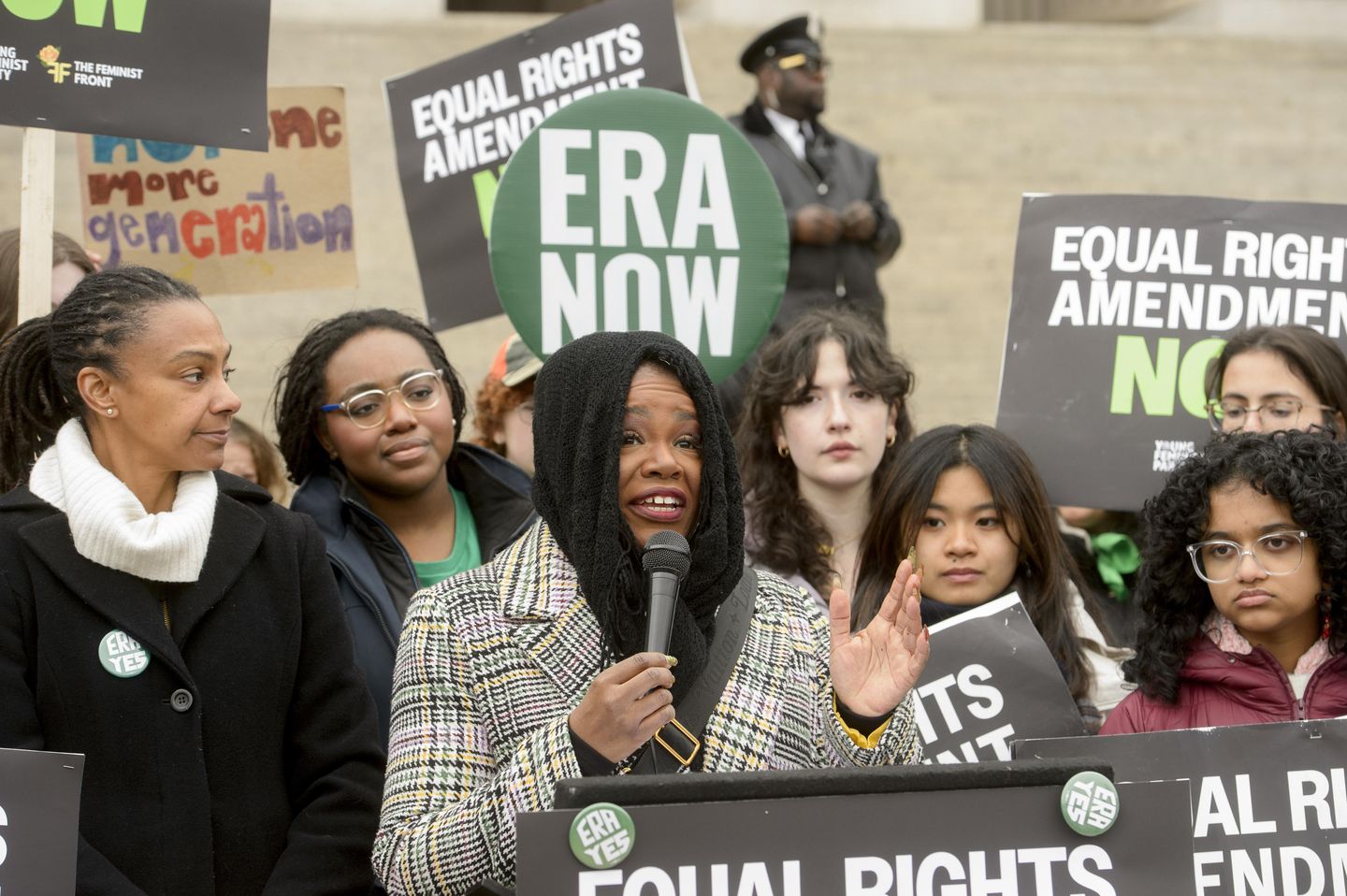
Cori Bush is running to reclaim Missouri’s 1st Congressional District seat she lost in the 2024 Democratic primary by nearly six points to Wesley Bell. Former Ohio Senator Sherrod Brown, who served 18 years in the Senate and 14 in the House before losing in 2024, is now challenging Republican Sen. Jon Husted. Former Rep. Madison Cawthorn, who lost his 2022 North Carolina primary amid controversies, has resurfaced to run in Florida’s 19th District for the seat Rep. Byron Donalds is vacating to run for governor.
3. Are any convicted former lawmakers trying to return to Congress?
Yes, Republican Steve Stockman, who was convicted of 23 counts of fraud in 2018, has filed paperwork to run in Texas’ newly redrawn 9th Congressional District. The 69-year-old previously served in Congress from 1995 to 1997 and again from 2013 to 2015 before leaving amid corruption accusations that led to his imprisonment. Mr. Trump commuted his ten-year sentence in 2020, and Stockman joins a historical pattern of former lawmakers who got on the wrong side of the law and later attempted political comebacks.
SEE ALSO: Rejected and running again: A comeback wave hits the 2026 midterms
4. How are these candidates explaining their returns to voters?
The comeback candidates are positioning themselves as fighters who won’t sit on the sidelines during what they characterize as critical times. Ms. Bush has leaned into her outsider message, promising to “fight for St. Louis” and working-class communities while emphasizing she represents “leadership that doesn’t wait for permission, doesn’t answer to wealthy donors, and doesn’t hide when things get tough.” Former Rep. Tom Perriello of Virginia, who lost his seat in 2011 partly due to his votes for the Affordable Care Act and cap-and-trade legislation, has framed his 2025 return as responding to “an all-hands-on-deck moment — things are out of control.”
5. What challenges do these comeback candidates face?
Some former lawmakers are competing in different political environments than when they last held office. Ben McAdams, known as a moderate when he represented Utah from 2019 to 2021, is now running in a more Democratic-friendly district where he may face stronger competition from candidates with greater appeal to grassroots activists. Others, such as Mr. Cawthorn, are running in entirely new states, while candidates like Sherrod Brown must overcome the perception that their defeats weren’t flukes but reflected genuine voter decisions to replace them.
Read more: A comeback wave hits the 2026 midterms
This article is written with the assistance of generative artificial intelligence based solely on Washington Times original reporting and wire services. For more information, please read our AI policy or contact Ann Wog, Managing Editor for Digital, at awog@washingtontimes.com
The Washington Times AI Ethics Newsroom Committee can be reached at aispotlight@washingtontimes.com.