The U.S. military in fiscal year 2025 achieved its best recruiting numbers in 15 years, Pentagon officials said, with each service exceeding its goal and all reserve components, with the exception of the Army Reserve, also hitting their targets.
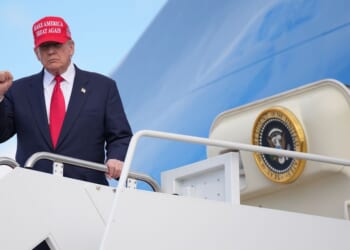
The blockbuster recruiting figures will bolster the argument made by President Trump and Defense Secretary Pete Hegseth that the approach of the Trump administration — specifically the push to roll back what critics view as left-wing “woke” policies inside the Pentagon embraced by the previous administration — is resonating with young Americans.
Pentagon officials are drawing a direct line between the political shifts of the 2024 presidential election and the surge in recruiting.
“If you look at the data from November, from the election of President Trump and then Secretary Hegseth’s confirmation thereafter, the numbers that we’ve seen during that time period have been historic,” Pentagon spokesman Sean Parnell said in a statement.
Mr. Parnell co-chairs the Defense Department’s Recruitment Task Force, along with Undersecretary of War for Personnel and Readiness Anthony J. Tata.
In a speech earlier this month, Mr. Tata suggested the recruiting surge is a direct result of the administration’s focus on warfighting and a rejection of controversial left-wing policies.
“In 2025, the department exceeded our annual active-duty recruitment accession goals across all five services. … Why? Because we have a commander in chief and a secretary of war who are focused on our troops and our mission, and on ensuring that we remain the most lethal fighting force on the planet,” he said.
Mr. Trump has given the Defense Department the secondary title “War Department.”
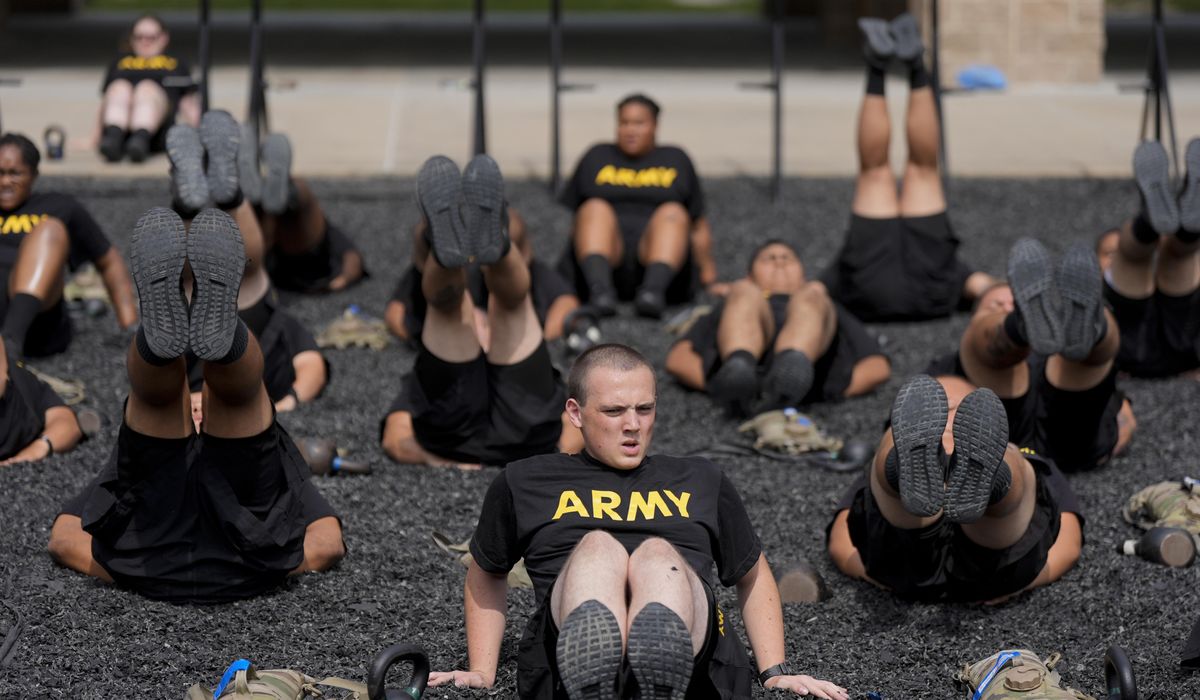
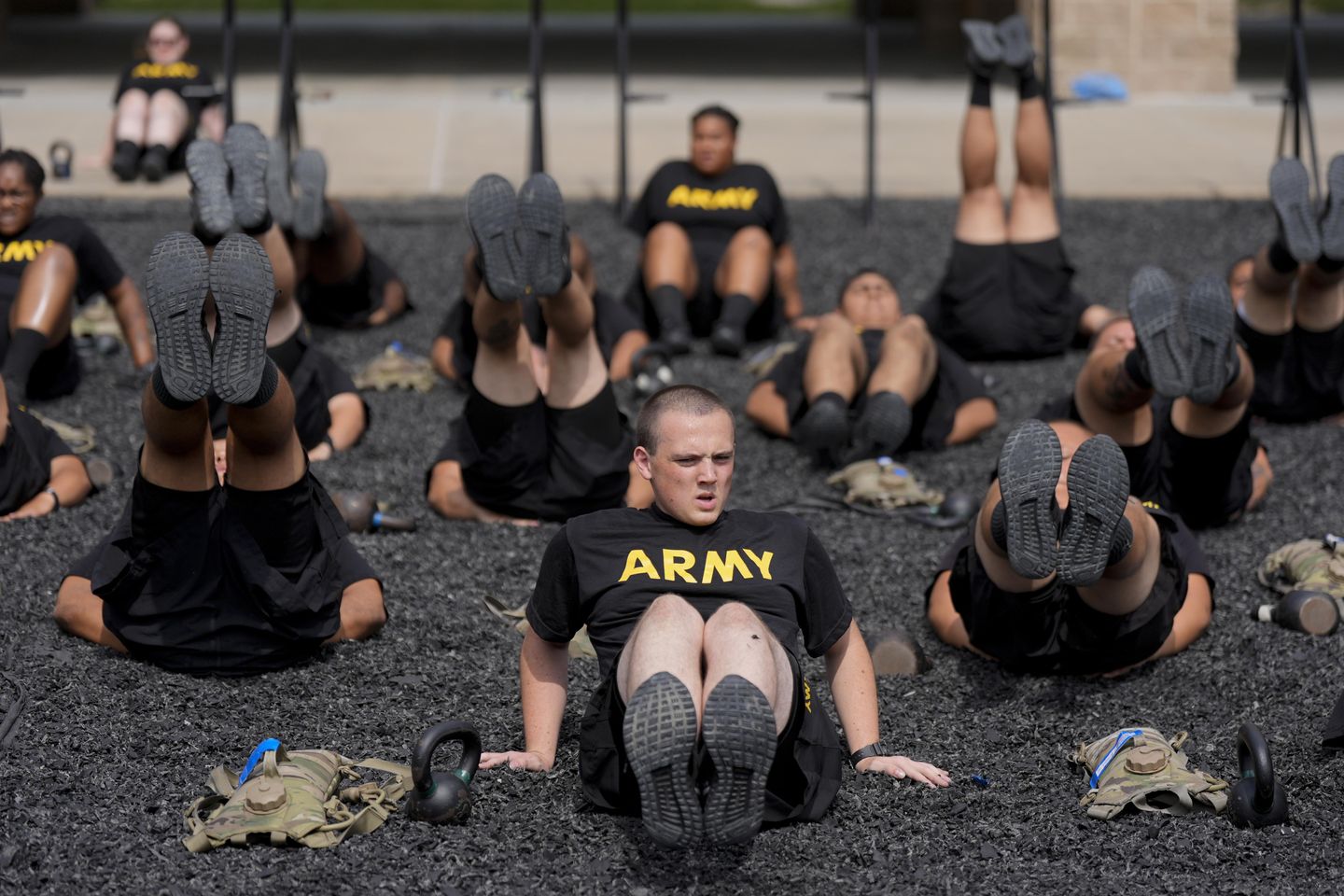
According to the Pentagon, each service cleared its specific recruiting goal: The Army had a goal of 61,000 recruits and hit 62,050; the Navy had a goal of 40,600 recruits and hit 44,096; the Air Force had a goal of 30,100 recruits and attained 30,166; the Space Force had a goal of 796 recruits and hit 819; and the Marine Corps met its goal of 26,600 recruits, officials said in a press release.
Officials said all reserve components also hit the mark, with the exception of the Army Reserve, which met 75% of its recruiting goal.
Since taking the job earlier this year, Mr. Hegseth has stressed a return to what he calls a “warrior ethos” in the military. He has, for example, canceled “identity” months in the Pentagon, such as official Black History or Women’s month observances.
The department has also scrapped some diversity, equity and inclusion, or DEI, initiatives. Officials say that all promotions and hirings are now based solely on merit, not race, gender, religion, or any other factors related to diversity. The Pentagon has also taken steps to separate transgender troops from the force.
Mr. Hegseth has directed the military services to review the definitions of terms such as “bullying,” “hazing” and “toxic” leadership. He said those terms have been weaponized inside the Pentagon and have been used to force out otherwise qualified individuals for political reasons.
The secretary also has launched an effort to overhaul the Defense Department’s inspector general office, as well as equal opportunity processes that he said helped spur “frivolous complaints” that slowed down the military’s warfighting mission.
Taken together, those changes mark a major change in how the Pentagon handles internal complaints and investigations, as well as disciplinary procedures.
The department also instituted restrictive new policies on press access to the Pentagon, among other steps.
Politics aside, the 2025 recruiting class will bolster the ranks of the armed forces at a crucial moment geopolitically with increased engagement in multiple theaters and fears in some corners that America was losing its edge over its adversaries such as communist China.
Some analysts had warned that weak recruiting numbers in recent years could have eventually led to a significant readiness problem inside the military, with the services lacking the manpower needed to achieve critical missions and deter conflicts.
At the same time, the U.S. is ramping up activity in several key corners of the world. The U.S. last weekend conducted some of the largest strikes in years against Islamic State targets inside Syria. This year alone, the U.S. has conducted at least 89 strikes against alleged terrorist targets with groups such as al-Shabab and the Islamic State in Somalia.
American forces are also highly active in the Caribbean and other waters off the coasts of Central and South America, where the Trump administration is waging a war against alleged drug boats moving narcotics from countries such as Venezuela into the U.S.
Mr. Trump has said the U.S. could soon hit land targets inside Venezuela as well. Some prominent Republicans believe the president must pursue regime change and oust Venezuelan President Nicolas Maduro in the process.