Don’t miss the full story from our staff writers, whose reportage is the basis of this article.
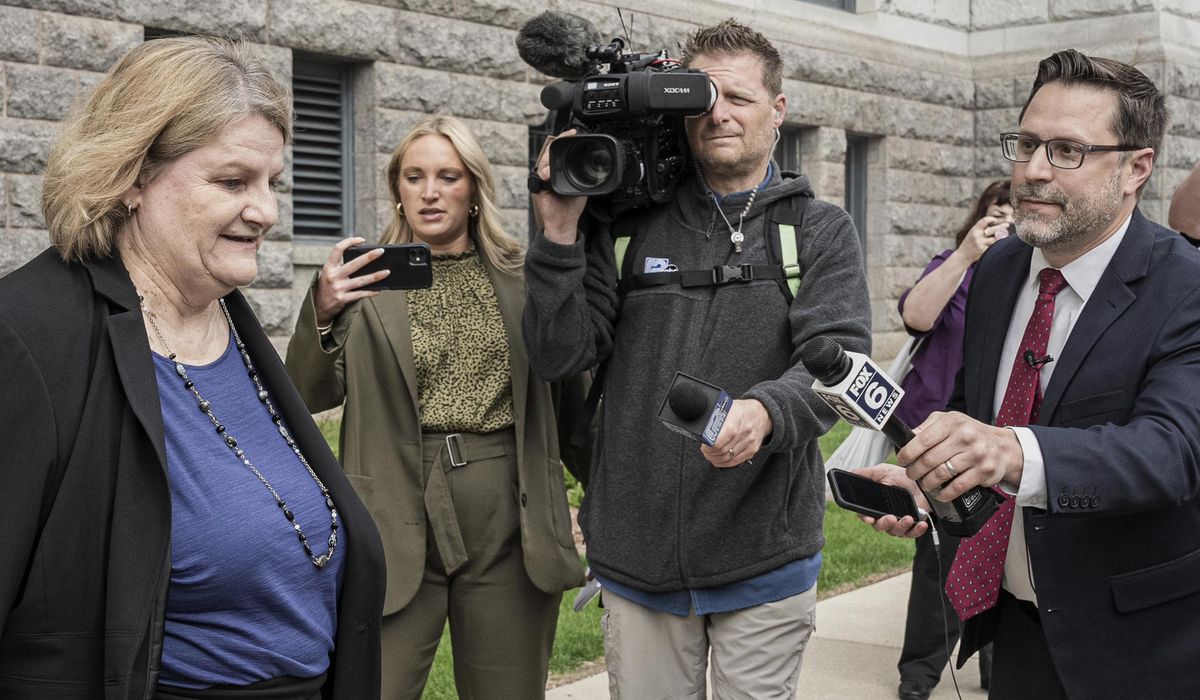
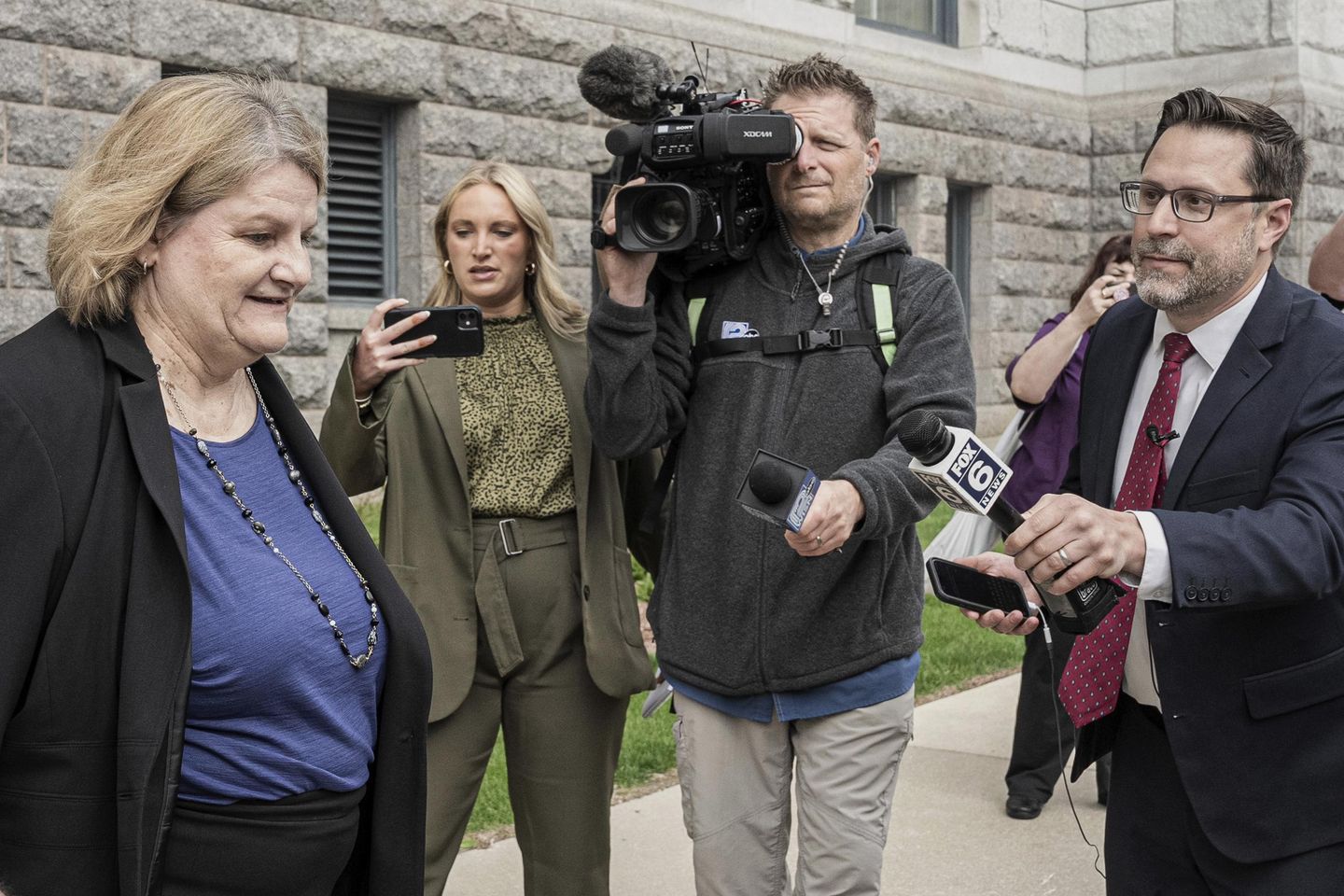
A federal jury convicted Wisconsin state Judge Hannah Dugan on a felony obstruction charge for interfering with ICE officers attempting to arrest an illegal immigrant in her Milwaukee County courtroom. The April 18 incident involved Eduardo Flores-Ruiz, a previously deported immigrant who had illegally reentered the country and was appearing before Dugan on an unrelated battery charge.
U.S. Attorney Brad D. Schimel, whose office prosecuted the case, called it a victory for allowing immigration officers to make arrests in courthouses. Prosecutors alleged Dugan distracted the ICE team by challenging their civil arrest warrant, directing them to speak with the chief judge, then cutting short the criminal proceeding and allowing Flores-Ruiz to exit through a non-public door. The jury acquitted her on a misdemeanor charge of concealing a target from arrest.
After leaving Dugan’s courtroom, Flores-Ruiz reached the street before ICE agents chased and tackled him through traffic. Schimel argued this dangerous scenario illustrated why courthouse arrests are preferable, offering controlled environments with security screening that prevents weapons and reduces chaos.
The case highlights growing tensions over ICE courthouse arrests. States including New York have banned such arrests, with local prosecutors citing cases where domestic violence victims stopped cooperating over fears of ICE encounters, forcing case dismissals. Judge Mae D’Agostino, an Obama appointee, upheld New York’s ban, ruling that allowing ICE arrests would “commandeer” state resources since state law enforcement provides courthouse security and publishes court schedules.
Dugan’s defense team expressed disappointment but noted the prosecution’s failure to secure convictions on both counts. They plan to appeal, arguing her actions fell within judicial duties and that courthouses are special places where people should access without fearing civil entanglements. Immigration proceedings are civil matters with deportation consequences, not criminal matters.
Homeland Security Assistant Secretary Tricia McLaughlin said the conviction should warn others against anti-ICE behavior, emphasizing DHS’s commitment to enforcing U.S. laws. Immigration policy experts offered contrasting views. Rosemary Jenks of the Immigration Accountability Project called courthouse bans “ridiculous,” arguing they force ICE into communities where arrests become more dangerous and potentially sweep up additional people. Matthew O’Brien, former immigration judge now with the Federation for American Immigration Reform, called the bans “absurd” and noted the conviction’s significance coming from a politically moderate state’s jury.
The Justice Department has sued to stop New York’s courthouse ban, though that effort was rebuffed by the federal court.
Read more: Judge’s conviction in ICE obstruction case vindicates courthouse arrests
This article is written with the assistance of generative artificial intelligence based solely on Washington Times original reporting and wire services. For more information, please read our AI policy or contact Ann Wog, Managing Editor for Digital, at awog@washingtontimes.com
The Washington Times AI Ethics Newsroom Committee can be reached at aispotlight@washingtontimes.com.