Some of the Army troops deployed to the U.S.-Mexico border as part of the Trump administration’s crackdown on illegal immigration were forced to live in substandard conditions, according to a report released this week by the Pentagon’s inspector general.
Inspectors spent two days in late July at Fort Bliss, Texas, and the nearby Dona Ana Range Complex in New Mexico, where they found leaking raw sewage, nonfunctioning toilets and “general disrepair of facilities” inside bathrooms at both locations.
The facilities were being used by the 2nd Stryker Brigade Combat Team from the Fort Carson, Colorado-based 4th Infantry Division.
“Multiple soldiers living in the barracks informed us of electrical capacity concerns and continually non-functioning air conditioners for barracks assigned to the Joint Task Force-Southern Border,” the IG report stated.
“According to Fort Bliss officials, exceeding the electrical capacity of the buildings leads to tripping of the circuit breakers, which creates a fire risk in the aging buildings,” it continued.
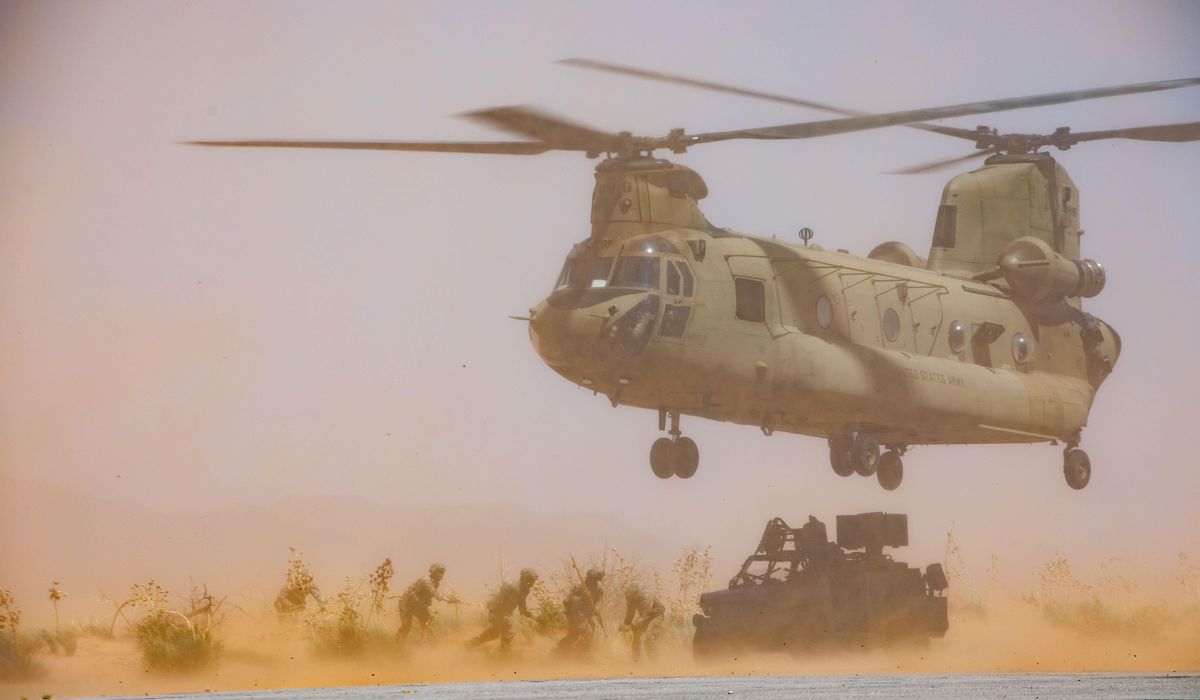
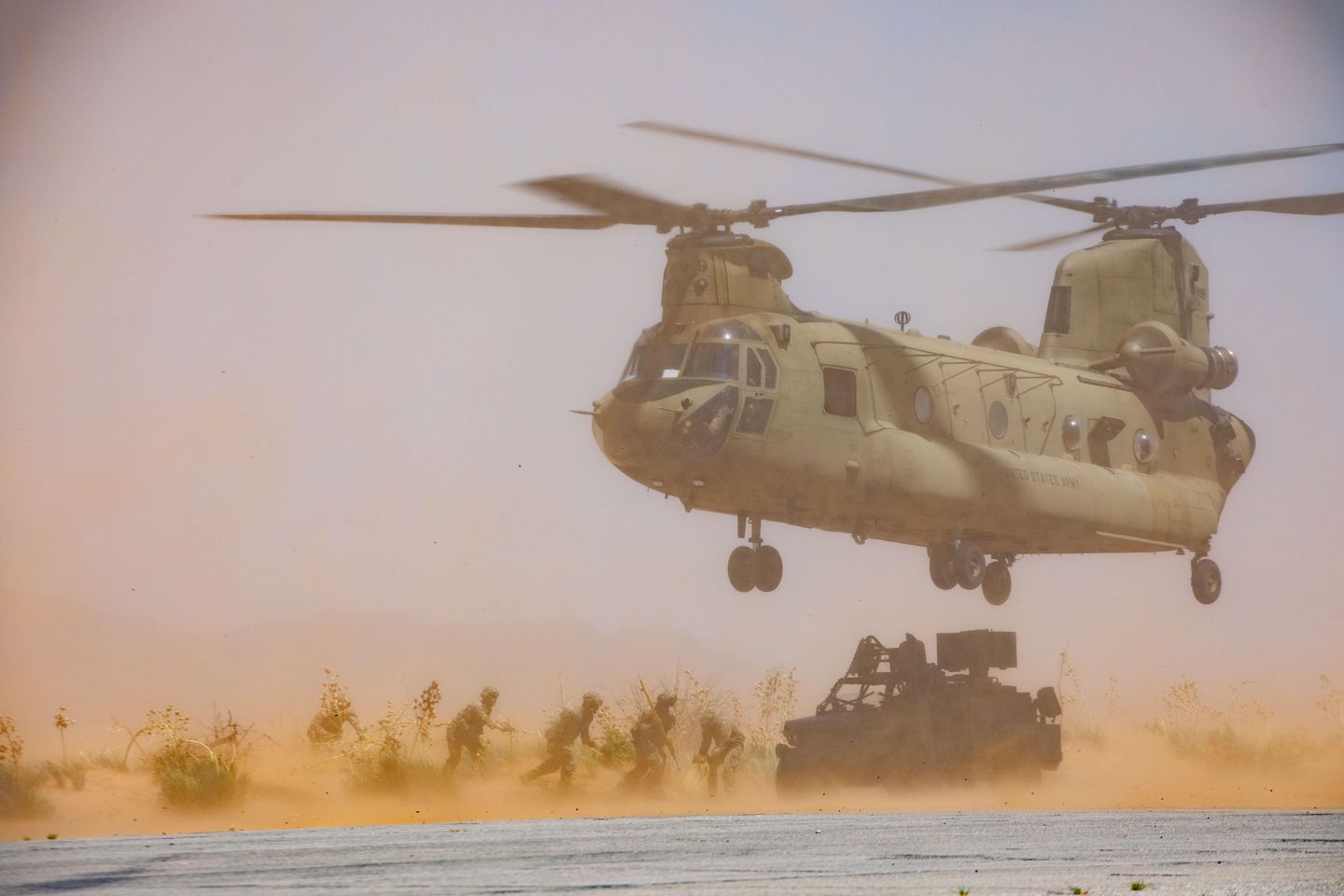
About 2,400 soldiers from the 2nd Stryker Brigade Combat Team were sent to the southern border starting in early March to support Homeland Security Department efforts with detection, logistics and engineering capabilities.
Their deployment brought the total active-duty military support on the U.S.-Mexico border to around 9,000 troops.
Joint Task Force-Southern Border requested barracks from the garrison at Fort Bliss for units assigned to the mission. They were told the request couldn’t be met, however, requiring that troops move to the Dona Ana Range Complex, about 25 miles northwest of the Army post.
“In addition, the barracks provided to [Joint Task Force-Southern Border] on Fort Bliss were designated as housing for transient personnel and not for continuous use,” according to the IG report.
The Stryker Brigade’s preventive medicine team identified multiple health and safety concerns at the Dona Ana Range Complex, including unresolved work orders for several clogged toilets and broken air conditioners, air conditioners causing respiratory symptoms in soldiers, waste disposal and unsanitary conditions in community areas, and standing water from air conditioner condensation.
Rainfall at the complex also resulted in a large increase in mosquito and other insect populations, the IG officials said.
Some of the deployed troops were in barracks with as little as 45 square feet per soldier instead of the required 72 square feet, according to the report.
Joint Task Force-Southern Border officials assigned troops to the living quarters even though they were aware they didn’t meet the required standards. They insisted that the Fort Bliss barracks met “minimum living standards” for the required sanitary conditions and square feet per soldier, according to the report.
“However, JTF-SB leadership was unable to provide documentation to support their determination,” the IG officials said.
Army regulations mandate that barracks for troops consist of “decent, safe, sanitary, and habitable accommodation in good repair.”
Defense Secretary Pete Hegseth established a task force to fix poor military housing conditions, addressing mold, sewage and safety issues with over $1.2 billion allocated for immediate fixes, furnishings and critical renovations.
In a statement to The Washington Times, U.S. Northern Command officials said Thursday that they were aware of the Pentagon inspector general’s report about the housing conditions for troops deployed to the border.
“There are no JTF-SB soldiers currently housed in the barracks at Dona Ana Range Complex or the specific barracks on Fort Bliss. This was resolved long before the publication of this advisory report,” Northern Command said.
However, the Defense Department’s IG still considers the matter unresolved.
It said Joint Task Force-Southern Border continues to use at least three suspicious barracks at Fort Bliss to house troops assigned to the mission.
“We identified health and safety concerns for the housing assigned to soldiers at Fort Bliss, including these three barracks,” the report stated. “The U.S. Northern Command inspector general did not provide documentation that the conditions of the new housing being used at Fort Bliss meet the minimally required housing adequacy standards.”