A recent Numerator study finds 87% of Americans plan to celebrate Christmas. Three-fourths of those mark the holiday by gathering with family and friends, either on Dec. 25 or on Christmas Eve. For millions of Italian-Americans, the evening meal before the birth of the Christ child is an often elaborate meal called the Feast of the Seven Fishes.
A centuries-old Catholic church tradition of not eating meat before holidays like Easter and Christmas morphed, at some point lost to history, into its own unique thing in Italy: Festa dei sette pesci. Italian immigrants to the United States in the 1800s brought it with them. It’s not an official church feast day, it doesn’t refer to any particular seafood offerings and the moniker appears to have emerged less than 50 years ago.
Muddying the water
So how did a centuries-old dinner vigil become one of the most popular new Christmas traditions? A lot of the blame for awareness of the feast for non-Italians comes from a popular, Emmy-nominated episode of the TV show, “The Bear.”
Add to that social media and the desire amongst younger generations to seek out experiences and blend old holiday customs with modern sensibilities. All of that combines into a synthesized dining experience that goes beyond Italian-Americans, Catholics and even families. The Feast of the Seven Fishes is for everyone.
“The tradition originated in Southern Italy, which is a far cry from how Northern Italian far operates,” adds Mike Bausch, owner of Andolini’s Worldwide in Tulsa, Okla. “As a result, it’s not celebrated throughout Italy itself because Italy wasn’t united as a country until the mid-1800s, so many of the regional differences in cuisine still exist today.”
“What is fascinating is [younger generations’] love for experience and, in turn, tradition,” explains Joe and Esther DeQuattro, co-owners of DeQuattro Restaurant Group. “We are seeing a renewed interest, especially with pop culture nods like ‘The Feast of the Seven Fishes’ on Netflix and ‘The Nonnas.’ While this generation is busier and has more modern tastes, they often introduce flexibility, smaller portions or fewer dishes, but the heart of the feast remains.”
7 is symbolic
Depending on the region of Italy your family came from, Christmas Eve may have involved seven, 13, three or even just one fish. The number is less important than the habitual practice and abstaining from eating meat. However, even that requirement is forgotten at many American feasts.
“The requirement of seven is not traditional, having originated in the late 1980s. Most coastal Italians have some fish dish on Christmas Eve for ‘la vigilia.’ It seems to have evolved into a signature of Italian-American cooking, which has its roots in the diasporic neighborhoods where Italians from different regions first encountered each other’s foods, dialects and traditions, and then created something new from that mixture,” explains Danielle Oteri, an Italy travel expert and art historian. “I love that so many restaurants have adapted the tradition. It’s really ideal for creative chefs, festive celebrations and a beautiful opportunity to play with tradition and adaptation.”
Using the number seven is a nod to the feast’s Catholic roots. Seven is a Biblical number that represents completion or perfection. There were seven days of creation, seven pairs of kosher animals on Noah’s ark, seven seals in the book of Revelation and many Jewish feasts last seven days. Similarly, the Roman church recognizes seven sacraments, seven virtues and seven precepts, which include the practice of fasting that led to the seven fishes meal.
“In our home, it’s often far more than seven fishes and closer to 15 because for us, it’s not about the number but about abundance, family and celebrating togetherness around the table,” says Rome-born restaurateur Niccolò Angius. “Catalana di Aragosta and Zuppa di Broccoli e Arzilla are always on our table – they’re classics that can’t be missed. These dishes carry so much family history; they’ve been part of our Christmas Eve menu for as long as I can remember.”
Adapting to the times
As more people embrace the spirit of the feast, they bring their unique tastes and preparation styles. While not technically fish, shrimp is often on the dinner table, mixed with other seafood or just some spices, lemon and breadcrumbs, like a shrimp oreganata.
“We keep it lighter than we used to. There are more grilled and roasted seafood options, paired with fresh sides and options for every dietary restriction or preference. It’s traditional, with a modern rhythm,” says Donald Minerva, the owner of Scottadito Osteria Toscana in Brooklyn, N.Y. “People want fresh, local and responsibly-caught seafood. This is part of celebrating with integrity.”
Why stop at just one fish or seafood item per dish? Instead of multiple main courses, mix it up with an Italian seafood salad of clams, mussels, shrimp and calamari.
At 8 years old, Chef Tyler Fenton started a family tradition of preparing a seafood stew that combines all seven fishes in one pot. “The blend of seafood can be balanced to your preference and budget, and you can adjust the spice level and seasonings to your tastes. This dish is meant to be celebratory, so celebrate the way you like to,” Fenton says.
“I noticed the younger generation tends to lose the old tradition of the Seven Fishes. So we came up with a modernized Seven Fishes dinner called Barattolo di Mare,” explains Massimo Celso, executive chef of Mario’s Restaurant. “It includes calamari, scallops, baby octopus, branzino, shrimp, clams and mussels. Cooked in mason jars with only extra virgin olive oil, seasoning and croutons.”
Keeping the flame alive
“In Italy, we never counted dishes. The feast was simply about sharing what the sea offered that day with family,” shares Chef Accursio Lota, owner of Trattoria Cori Pastificio. “In the U.S., it became more symbolic, seven courses, seven fishes – a beautiful way for Italian-Americans to honor their roots while creating new traditions.”
Even as they seek out new traditions, millennials and Gen Z look for ways to be more efficient. Preparing a traditional Feast of Seven Fishes can be intense. Simplifying the menu with light, easy-to-prepare fritto misto makes at least one dish easier.
“The tradition is cool, but it’s a lot of work,” shares Armando Bisceglia, chef and owner of Dolce & Salato. “[But] To me not cooking on 12/24 is sacrilegious.”
Another approach is to find a restaurant that offers a seven fishes special. “In recent years, we have had the best turnouts for the Feast than we’ve had in the last 14. Cooking seven courses of food is a very daunting task, one most ‘normal’ home cooks might be intimidated by,’ adds Steven Robilio, executive chef at Amerigo Italian Restaurant. “I think more people are trying to relive those meals that they had as a kid or young adult, and the easiest way to do that is to try and find a restaurant like ours that does this meal every year!”
Love and food
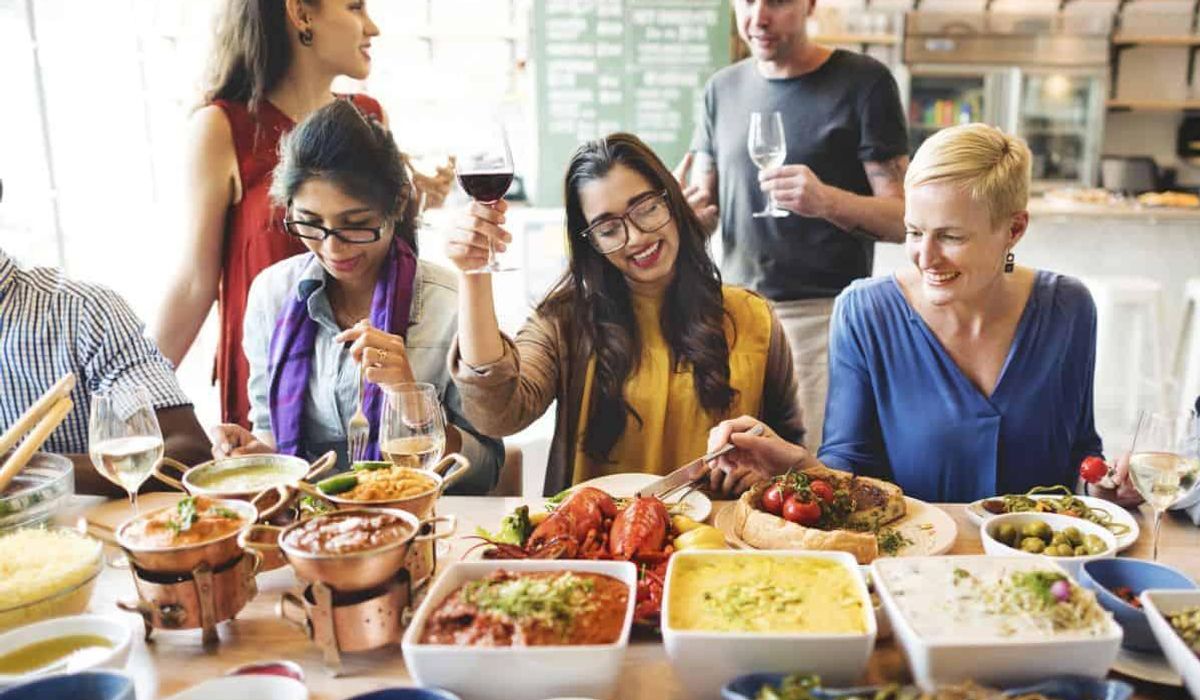
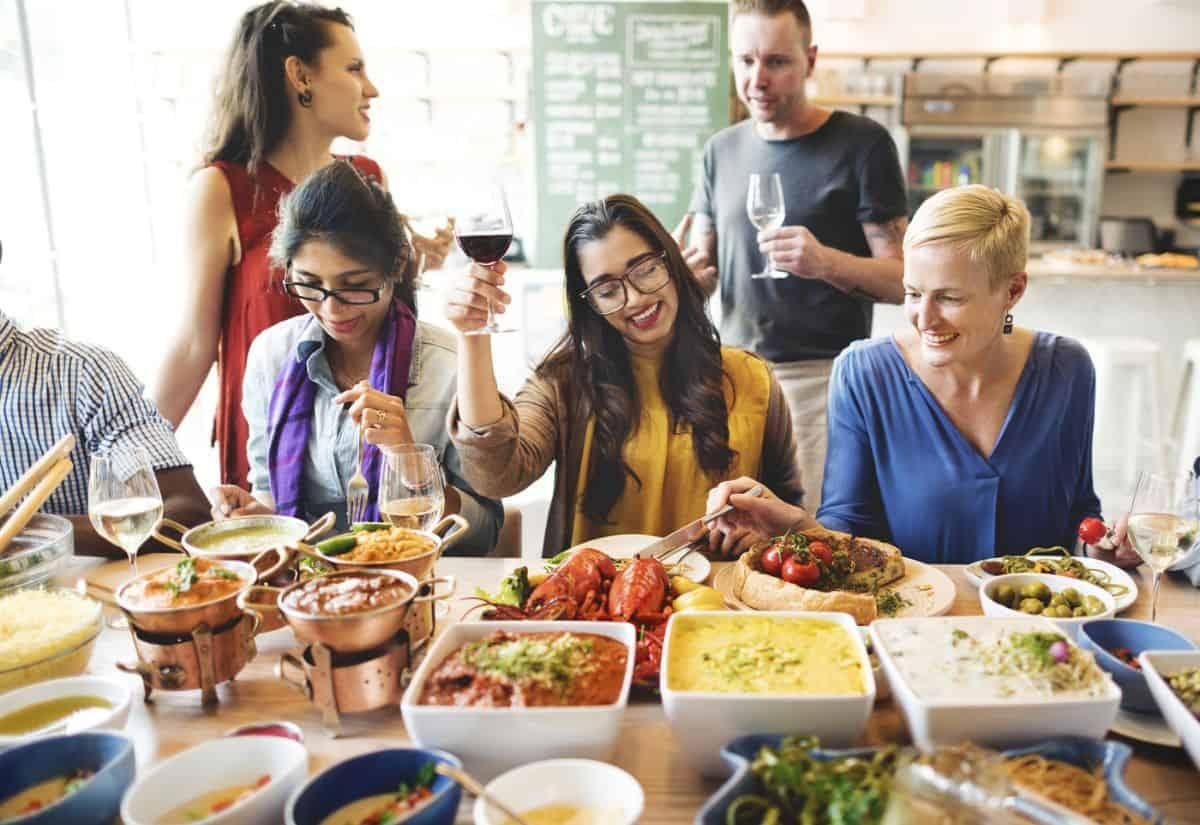
When families and friends gather together to celebrate Christmas in 2025, it may not look quite the same as it used to. As traditions are passed down through generations, they must often change and adapt. The key is to find a way to hold onto the spirit of the custom, which almost always comes down to the intent. As long as love remains at the center of these practices, the joy of Christmas and shared meals like the Feast of Seven Fishes will survive.
Bella Bucchiotti is a freelance writer with a passion for adventure, delicious recipes and authentic storytelling. Through xoxoBella and social media, she shares vibrant travel experiences, mouthwatering dishes and everyday moments that inspire connection.