Don’t miss the full story, whose reporting from The Associated Press is the basis of this artificial intelligence-assisted article.
1. What does Florida’s new law actually do?
The law gives Florida’s top law enforcement official the power to designate groups as domestic or foreign terrorist organizations, subject to approval by the governor and three elected Cabinet members — the attorney general, chief financial officer and agriculture commissioner. Once labeled, a group can be dissolved, stripped of state funding through schools and agencies, and universities must report visa-holding expelled students to ICE.
2. Who signed it and why?
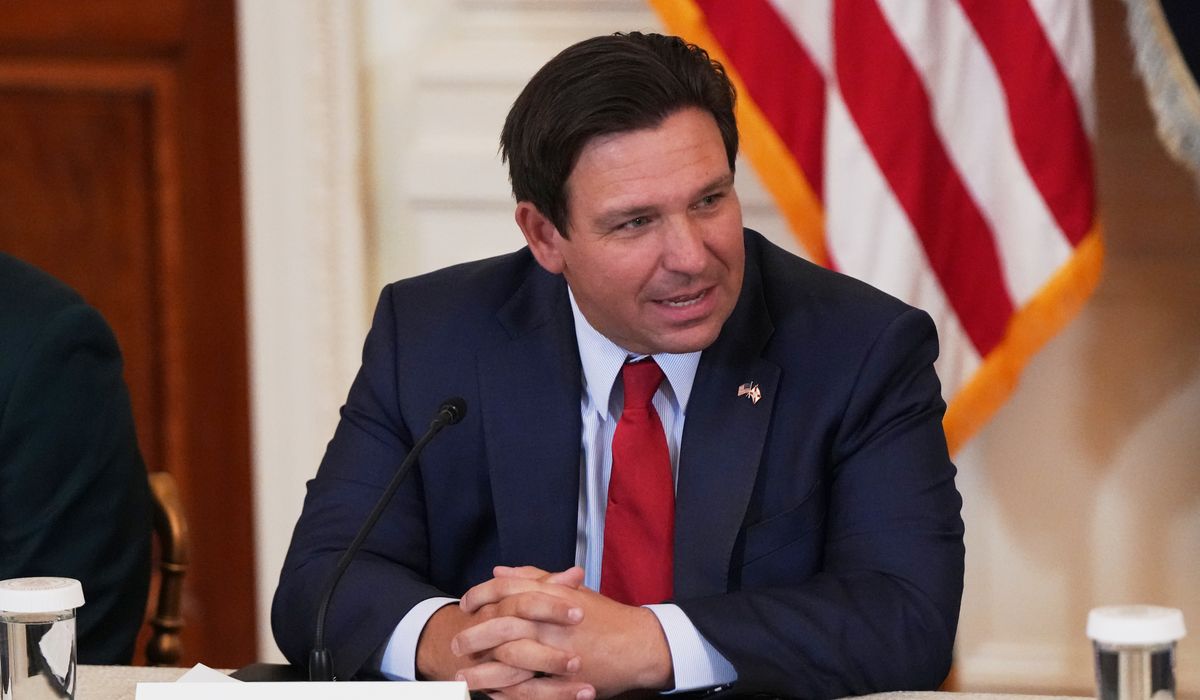
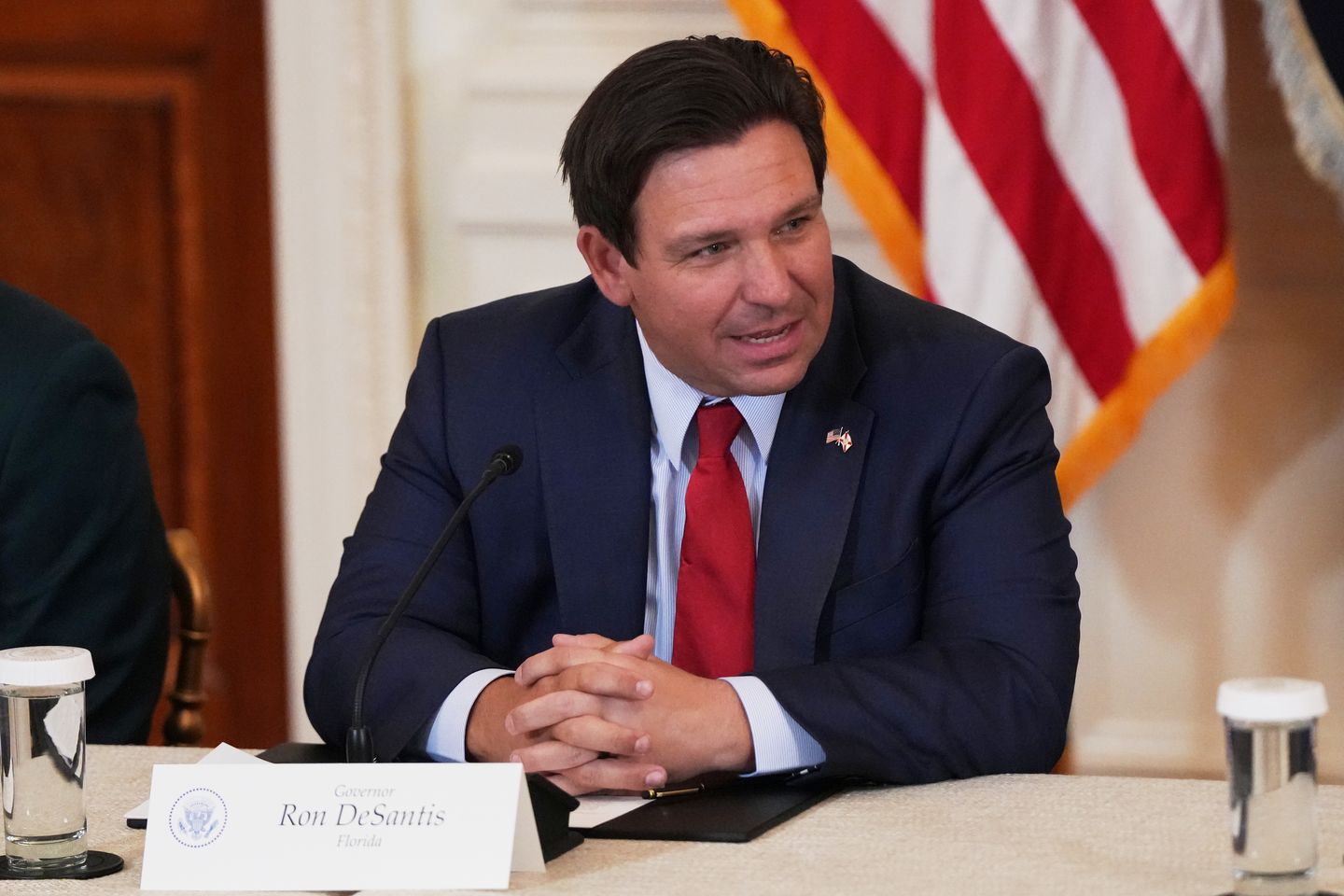
Florida Gov. Ron DeSantis signed the measure in Tampa, framing it as a way to protect Florida residents and taxpayers from activities he said “should not be happening in the United States of America.” DeSantis has already used similar executive authority, designating the Council on American-Islamic Relations and the Muslim Brotherhood as foreign terrorist organizations last December, though a federal judge temporarily blocked enforcement of that order last month.
3. How could the law affect college students?
Universities would be required to expel students found to be supporting designated terrorist organizations and must report the immigration status of any expelled visa-holding students to U.S. Immigration and Customs Enforcement, potentially putting international students at risk of deportation.
4. Why are free speech advocates concerned?
PEN America, a free speech advocacy group, warns that the law’s vague language around “promoting” terrorism could sweep up student protesters who criticize Florida officials and restrict legitimate educational programs. The group’s Florida director cautioned that the law “could chill education at every level.”
5. What legal challenges might the law face?
The law’s prospects are already clouded by precedent — a federal judge temporarily blocked DeSantis’ earlier executive order making similar terrorist designations, suggesting courts may scrutinize whether this new law’s broad language passes constitutional muster. Information on any pending legal challenges to the newly signed law is not yet available from the source material.
READ MORE: DeSantis signs Florida law to label groups as terrorists and expel student supporters
This article was constructed with the assistance of artificial intelligence and published by a member of The Washington Times’ AI News Desk team. The contents of this report are based solely on The Washington Times’ original reporting, wire services, and/or other sources cited within the report. For more information, please read our AI policy or contact Steve Fink, Director of Artificial Intelligence, at sfink@washingtontimes.com
The Washington Times AI Ethics Newsroom Committee can be reached at aispotlight@washingtontimes.com.